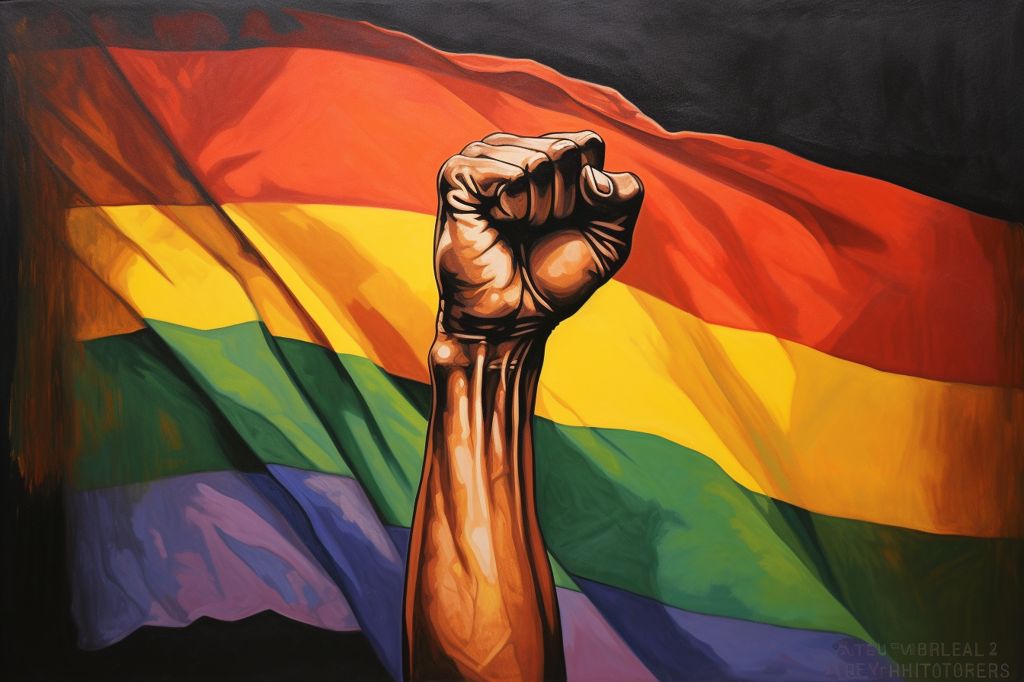
The LGBTQIA+ community and the Economic Freedom Fighters (EFF) clashed in anticipation of the party’s 10th-anniversary lecture at the University of Cape Town’s Sarah Baartman Hall. The controversial invitation extended to Professor Patrick Lumumba, a Kenyan academic with an alleged history of homophobic views, sparked a heated debate between the two groups.
Lumumba’s Controversial Stance
Professor Lumumba’s stance on a Ugandan law against homosexuality, signed into law by President Yoweri Museveni, brought his presence at the lecture into question. The law proposed draconian punishments for homosexuals, including execution. The EFF had previously expressed its opposition to the bill, with their national spokesperson, Leigh-Ann Mathys, condemning it as “state-sponsored hate and homophobia.” Despite this, the EFF invited Lumumba, which triggered outrage among the LGBTQIA+ community, faculty, and students.
Attempts to Quell the Discord
Petitions sent to the University of Cape Town’s leadership signed by LGBTQIA+ individuals and staff did not deter the event from proceeding. Various organizations, including the Triangle Project and Gender DynamiX, joined forces with the queer community of Cape Town and university staff and students to stage a peaceful protest against homophobia.
The Protest
In a statement, the protesters voiced their concerns about Lumumba’s offensive rhetoric, which deems same-sex relations and transgender identities “unnatural” and “unAfrican.” They argued that such discourse fuels a hostile environment, encouraging violence against queer lives. Moreover, they criticized the utilization of a publicly-funded university’s resources to host a speaker perpetuating hate speech, which inflicts harm and incites violence against queer Africans.
The protesters expressed their solidarity with LGBTIQA+ Ugandans who face harsh penalties, such as the death penalty and life imprisonment, for their queer identities. Despite the vocal opposition, the lecture proceeded with EFF leaders Julius Malema and Floyd Shivambu seated alongside Lumumba.
The Confrontation
This confrontation highlights the complex and often conflicting values that coexist in contemporary South African society. On one hand, the EFF’s decision to invite Lumumba demonstrates a willingness to engage in intellectual discourse with diverse perspectives. On the other, it raises questions about the party’s commitment to protecting and promoting the rights of the LGBTQIA+ community, as enshrined in the South African Constitution.
The Protesters’ Resolve
The protest showcases the strength and resolve of the LGBTQIA+ community and its allies in pushing back against discrimination and bigotry. As they assert their right to exist without fear of hate speech or violent persecution, these demonstrators embody the spirit of resistance and resilience that has long characterized the fight for LGBTQIA+ rights in South Africa.
The Way Forward
As the dust settles on this contentious standoff, important questions remain about the role of political parties, institutions, and individuals in addressing systemic homophobia and ensuring a more inclusive and equitable society for all South Africans. The actions taken by both the EFF and the LGBTQIA+ community in this instance serve as a microcosm of the larger societal struggle to reconcile diverse perspectives and values while upholding the rights and dignity of each citizen.