Cape Town has proposed changes to its Municipal Planning By-law, aimed at tackling densification, development, and infrastructure challenges while ensuring sustainable city growth and preservation of natural assets. The public has a 60-day window to examine the proposed changes and provide their insights. The city is committed to maintaining transparency by sharing feedback on the comments and incorporating them into the final report for Council approval.
Cape Town has proposed modifications to its Municipal Planning By-law, which governs the city’s growth and land use. The public has a 60-day window to examine the proposed changes and provide their insights. The city is committed to maintaining transparency by sharing feedback on the comments and incorporating them into the final report for Council approval. The proposed changes aim to tackle challenges related to densification, development, and infrastructure, while ensuring sustainable city growth and preservation of natural assets.
On a bright day in July 2024, Cape Town revealed a series of potential changes to its Municipal Planning By-law, inviting the public to partake in a discussion and share their insights. This sparked a vibrant conversation, symbolizing a shared commitment by Cape Town’s residents to foster growth, sustainability, and safeguard their distinct heritage.
The Proposal and Public Participation
The suggested changes are the result of careful consideration and planning, with the goal of refining the by-law that governs the city’s growth and land use. A 60-day window, ending on September 23, was granted to the citizens and all interested parties to thoroughly examine the proposed changes and provide their insights.
The Collective Ratepayers’ Association expressed concerns about the public participation process, stirring a debate. Cape Town, in response, reassured its commitment to adhere to the provisions of the Municipal Systems Act during the public engagement. The plan, which coincided with the city’s public participation unit, initiated a stringent comment period beginning July 22, encouraging the public to evaluate and respond to the proposed changes.
Ensuring Transparency and Accessibility
Both digital and physical spaces were abuzz with activity as relevant documents and notices were made available for public scrutiny. From the draft of the updated Municipal Planning By-law to the explanatory memorandum explaining the purpose of the proposed changes, the information provided was all-encompassing and easy to access.
As the deadline nears, the city reassures its residents of their commitment to meticulously assess each comment. The goal is to polish and enhance the Municipal Planning By-law, using public apprehensions and suggestions as a catalyst for change. To maintain transparency, the city intends to share feedback on the comments and incorporate them in the final report for Council approval.
Tackling Densification and Development Issues
Densification and novel development-related issues have become the focal point of the discussion. The city, in its role as a responsible caretaker, is devising a strategy to tackle these challenges, aiming to accommodate the surge of new residents and businesses while safeguarding the city’s natural resources.
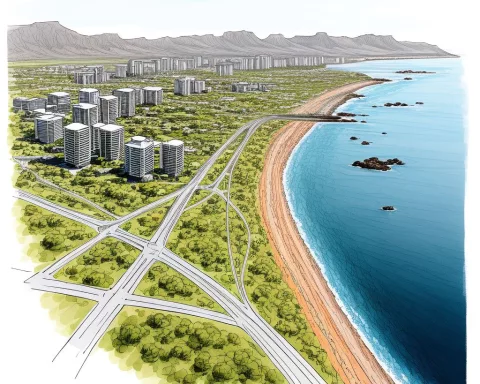
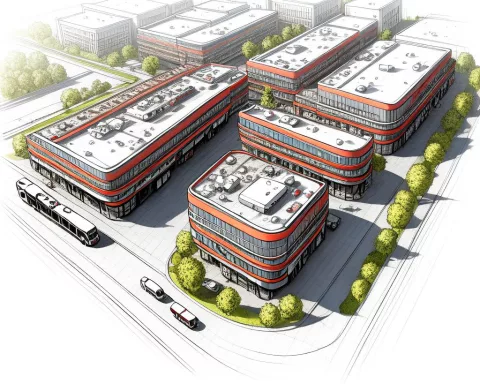
With limited land for development and scarce water and energy resources, the city is adopting a managed densification strategy. The strategy aims to achieve a balance between sustainable city growth and preservation of natural assets. The objective is to prevent uncontrolled expansion and the creation of sprawling cities that are financially unviable and environmentally destructive.
Focusing on Housing and Infrastructure
Densification is not just about avoiding the hazards of urban sprawl; it is also about ensuring all residents have access to dignified, affordable, and safe housing. The recent heavy rains in Cape Town highlighted the repercussions of unauthorized settlements in unsuitable areas. The proposed changes to the Municipal Planning By-law seek to facilitate development in lower-income areas where such housing is most needed.
With Cape Town’s population predicted to exceed five million soon, the city is making preparations. The current draft of the Municipal Planning By-law and an ambitious infrastructure development plan form part of the city’s response to this anticipated growth. The infrastructure budget for the next three years, a staggering R39,5bn, symbolizes the city’s commitment to sustainable growth.
Record-breaking Investments and Future Challenges
The city also made history with its largest single-year infrastructure investment of R9,4bn in the 2023/24 fiscal year. The 10-year pipeline is projected to reach an astounding R120bn, with the majority of projects being ‘Economic, Social and Governance (ESG)’—aligning with the City’s Climate Change Strategy.
Densification, therefore, is not an exception, but a reality of growing cities. The real challenge lies in achieving a sustainable balance between protecting natural and heritage resources while accommodating this growth. Through its proposed by-law changes, Cape Town is demonstrating its determination to find this balance. As the deadline for public comments approaches, the city once again encourages residents and stakeholders to share their thoughts, fostering a collective future built on resilient, sustainable growth.
1. What are the proposed modifications to Cape Town’s Municipal Planning By-law?
Cape Town has proposed changes to its Municipal Planning By-law to tackle challenges related to densification, development, and infrastructure while ensuring sustainable city growth and preservation of natural assets.
2. How long do citizens have to examine the proposed changes?
Citizens and all interested parties have a 60-day window until September 23 to thoroughly examine the proposed changes and provide their insights.
3. How is the city ensuring transparency and accessibility during the public participation process?
Both digital and physical spaces are available for public scrutiny, providing all-encompassing and easy-to-access information from the draft of the updated Municipal Planning By-law to the explanatory memorandum explaining the proposed changes.
4. What is the city’s strategy for tackling densification and development issues?
The city is adopting a managed densification strategy to achieve a balance between sustainable city growth and preservation of natural assets, aiming to prevent uncontrolled expansion and the creation of sprawling cities.
5. What is the city doing to focus on housing and infrastructure?
The proposed changes to the Municipal Planning By-law seek to facilitate development in lower-income areas where dignified, affordable, and safe housing is most needed. The city has an ambitious infrastructure development plan and a record-breaking investment of R9,4bn in the 2023/24 fiscal year.
6. What is the city’s overall message to its residents and stakeholders during this process?
The city encourages residents and stakeholders to share their thoughts to foster a collective future built on resilient, sustainable growth. The city is determined to find a balance between protecting natural and heritage resources while accommodating growth and ensuring transparency during the public participation process.