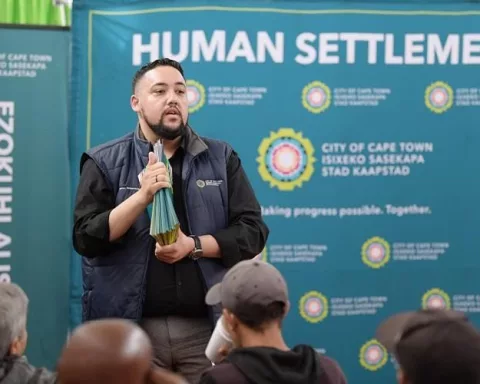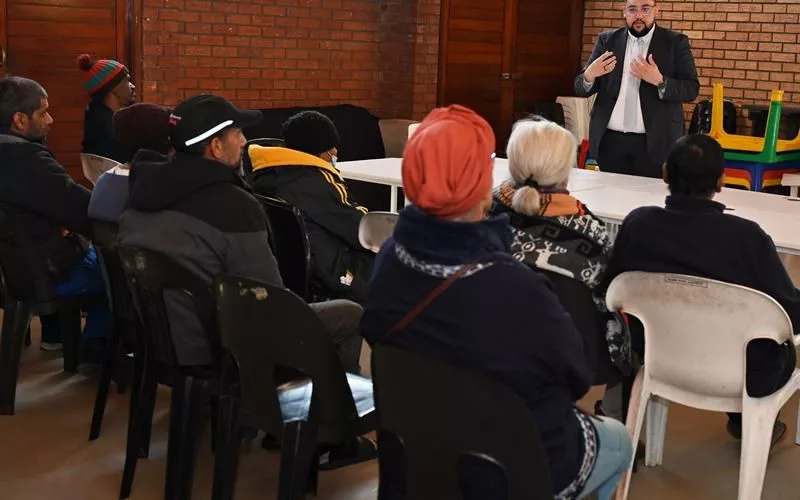
Shelley Road tenants in Salt River are on a transformational journey towards home ownership, thanks to the Housing Information branch of the Human Settlements department. The tenants met the necessary criteria to qualify for the primary subsidy, including possessing no property, having good financial standing with the City, and adhering to specific household income limits. This story is a powerful example of community spirit and dedication towards social progress, and the journey towards home ownership is ongoing, monitored by the Human Settlements: Allocation Oversight Committee.
How did Shelley Road tenants become eligible homeowners?
The Housing Information branch of the Human Settlements department evaluated if the occupants of nine municipally-owned residences on Shelley Road could potentially become eligible homeowners under the existing housing policy and law. Criteria included not possessing any property, having a good financial standing with the City, and adhering to specific household income limits. All tenants satisfied the requirements, and the properties held no further municipal use, resulting in a mutually beneficial arrangement. The journey towards home ownership for the Shelley Road tenants is ongoing, monitored by the Human Settlements: Allocation Oversight Committee.
Catalysts of Change
A palpable sense of expectation and optimism defined a crisp morning in Salt River in August. There was a tale of transformation taking shape, one that would turn a new leaf in the lives of the occupants of nine municipally-owned residences on Shelley Road. The City’s Human Settlements and Economic Growth directorates surfaced as the driving forces of this narrative, steadfast in their mission to transform these tenants into proud homeowners.
The story took off when the Housing Information branch of the Human Settlements department, under the vigilant scrutiny of the Mayoral Committee Member for Human Settlements, Councillor Carl Pophaim, launched a conversation with the tenants. The aim was to navigate the ongoing land release process, and the officials were eager to evaluate if these tenants could potentially become eligible homeowners under the existing housing policy and law.
Councillor Pophaim’s dedication to this cause runs deep. He mentioned, “I consider it my utmost privilege to interact with these residents and explore how we can aid them within the existing law and policy.” His words reverberate with genuineness, mirroring his personal experience as a beneficiary of City home ownership transfer. His allegiance to his constituents remains unyielding as he asserts, “I am dedicated to helping our residents become homeowners, and I am thrilled to be able to lend a hand in this instance.”
The Pathway to Eligibility
The path to qualifying for the primary subsidy had to be fastidious, requiring strict criteria to be fulfilled. The premises included: the occupants or tenants not possessing any property; they must not have been prior beneficiaries of any government housing subsidies; they must have a good financial standing with the City; and lastly, the household income had to adhere to specific limits.
Interestingly, these properties diverged from the standard council rental stock. They were market-related rental properties declared surplus for municipal purposes. The intention was to transfer these properties to the Human Settlements Directorate, but only after a comprehensive appraisal of the occupants and a detailed evaluation of the conditions tied to these properties.
The uniqueness of this situation lies in the fact that all the tenants satisfied the necessary subsidy requirements and income limit. Equally significant is that these properties held no further municipal use. Thus, the process appears to be a mutually beneficial arrangement for all stakeholders involved.
The Power of Community
Alderman James Vos, the Mayoral Committee Member for Economic Growth, expressed his gratitude towards the officials for their unwavering commitment. He said, “My gratitude extends to our officials for their compassionate and thorough assessment to assist occupants ascertain their eligibility for subsidies to acquire these units.” His acknowledgment of the officials’ meticulous efforts adds to the heartwarming element of this narrative.
In a time often characterized by bureaucratic obstacles and apathy, this initiative stands as a powerful testament to community spirit and dedication towards social progress. The city officials, as well as the residents actively participating in their journey towards home ownership, emerge as the heroes in this tale of transformation.
A Journey of Resilience and Hope
The journey, however, is still ongoing. There is a commitment to follow all due process, with monitoring of the process to be undertaken by the Human Settlements: Allocation Oversight Committee. This ensures transparency and compliance with regulations, fortifying the credibility of this initiative.
The evolving saga of the Shelley Road tenants is as much about acquiring home ownership as it is about tenacity, shared endeavor, and the strength of the human spirit. With anticipation, we continue to watch this narrative unfold, hopeful for a fittingly optimistic conclusion.
What criteria did Shelley Road tenants have to meet to qualify for home ownership?
To qualify for home ownership, Shelley Road tenants had to meet specific criteria, including not possessing any property, having a good financial standing with the City, and adhering to specific household income limits. All tenants met the necessary requirements, and the properties held no further municipal use, resulting in a mutually beneficial arrangement.
Who evaluated Shelley Road tenants’ eligibility for home ownership?
The Housing Information branch of the Human Settlements department evaluated if the occupants of nine municipally-owned residences on Shelley Road could potentially become eligible homeowners under the existing housing policy and law. The Mayoral Committee Member for Human Settlements, Councillor Carl Pophaim, oversaw the process.
What role did community spirit play in Shelley Road tenants’ journey towards home ownership?
This initiative stands as a powerful testament to community spirit and dedication towards social progress. City officials, as well as the residents actively participating in their journey towards home ownership, emerge as the heroes in this tale of transformation.
What is the pathway to eligibility for the primary subsidy?
The pathway to eligibility for the primary subsidy requires strict criteria to be fulfilled, including not possessing any property, having a good financial standing with the City, and adhering to specific household income limits. These properties diverged from the standard council rental stock and were market-related rental properties declared surplus for municipal purposes.
Who is monitoring the Shelley Road tenants’ journey towards home ownership?
The Human Settlements: Allocation Oversight Committee is monitoring the Shelley Road tenants’ journey towards home ownership, ensuring transparency and compliance with regulations.
What is the significance of the Shelley Road tenants’ journey towards home ownership?
The Shelley Road tenants’ journey towards home ownership is a powerful example of community spirit and dedication towards social progress. It is a tale of transformation, tenacity, shared endeavor, and the strength of the human spirit.