Addressing Power Blackouts in Western Cape’s Healthcare Sector

1 min read
p o

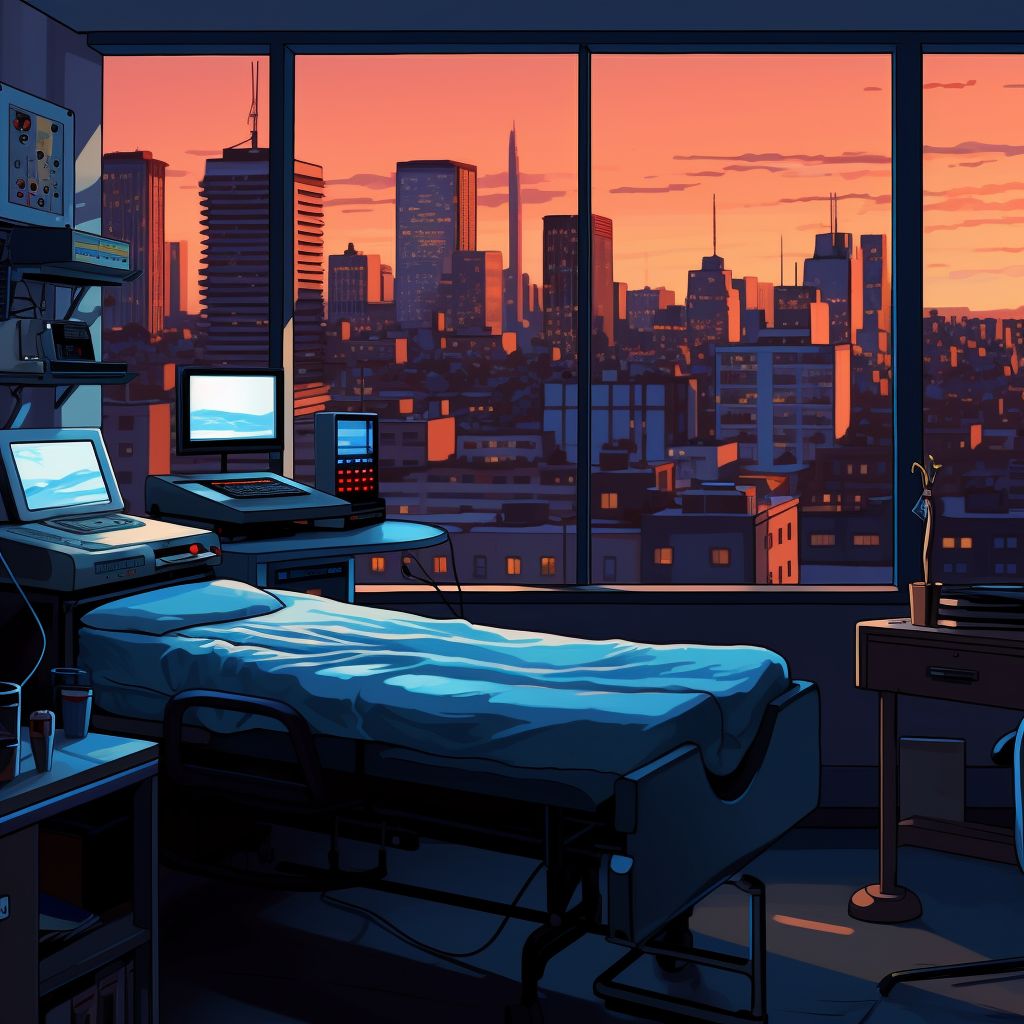
Premier Alan Winde and Dr. Keith Cloete, Head of the Western Cape Department of Health, recently convened at the 17th Energy Digicon to discuss the persistent issue of power blackouts affecting the healthcare sector in Western Cape, South Africa. They examined the adverse effects of these blackouts on health services and possible solutions to tackle this crisis.

The Energy Digicon Platform

The Energy Digicon serves as an open platform for discussing the Western Cape Government’s (WCG) strategies to combat power outages and how citizens can contribute to solving this issue. Winde emphasized the long-term nature of finding a solution to the energy crisis, urging patience and persistence from residents.

Newsletter

Stay Informed • Cape Town

Get breaking news, events, and local stories delivered to your inbox daily. All the news that matters in under 5 minutes.

Join 10,000+ readers
No spam, unsubscribe anytime

Impact on Healthcare Services

Power outages significantly hamper the capacity to deliver healthcare, affecting the operation of medical equipment, computers, digital records, cold storage, and telecommunications. Moreover, these blackouts have a profound impact on staff morale, adding stress and pressure to health workers who are already working under challenging conditions.

Efforts to Combat the Crisis

To combat this issue, ten hospitals in Western Cape are currently exempted from load shedding up to stage 6. Additionally, the Department is in talks with Eskom to install a dedicated feeder for the Khayelitsha District Hospital at a cost of R1.5 million to have it exempted from power cuts as well.

Nearly 200 healthcare facilities that have not been exempted have installed generators, although it has been at a significant cost. To further mitigate the effects of load shedding, the Department plans to install solar photovoltaic embedded generators at 15 hospitals for a combined total peak generation of 5MW. UPS systems have also been installed to keep life support medical equipment, operating theatres, and EMS call centers operational during blackouts.

The Department is also considering supplying 138 clinics with inverters and lithium batteries to seamlessly provide essential power supply during load shedding. Smart meters have been installed at 68 facilities across the province to keep track of energy usage, and an electrical supply preparedness plan has been developed to outline activities that would cushion the impact of load shedding beyond stage 6.

Collaboration and Commitment

Hospitals and healthcare facilities are actively working to reduce their energy consumption during peak times while maintaining the highest possible healthcare standards. The collaborative efforts showcased in the 17th Energy Digicon reveal the commitment of Western Cape’s authorities and healthcare professionals to ensure that patients receive uninterrupted healthcare services despite the ongoing energy crisis.

A Russian-Spanish journalist and Cape Town native, channels his lifelong passion for South Africa into captivating stories for his local blog. With a diverse background and 50 years of rich experiences, Serjio's unique voice resonates with readers seeking to explore Cape Town's vibrant culture. His love for the city shines through in every piece, making Serjio the go-to source for the latest in South African adventures.

Leave a Reply

Your email address will not be published.

Previous Story

Next Story

North West Road Infrastructure: Minister Sindisiwe Chikunga’s Mission to Improve and Innovate

Latest from Blog

**Saturday Shock: How Ten Seconds at Vangate Mall Exposed a National Kidnap Machine**

One Saturday morning, a little girl was almost snatched from a mall in South Africa! Luckily, her parents and some quickthinking shoppers stopped the kidnappers. This scary event showed how big and organized the child kidnapping problem is there. These bad guys target young children in busy places, using clever tricks and technology. The incident sparked outrage and exposed how malls often aren’t ready for such attacks. Now, people are looking for new ways, both hightech and simple, to protect kids from this terrible trade.

**Cape Town’s N2 Nightmare: The Wall That Divides More Than Traffic**

Cape Town’s N2 highway became a battleground, with constant attacks on drivers. To fight this, the city is building a huge concrete wall, almost 3 meters tall and over 9 kilometers long, with hightech cameras and lights. This R330 million “fortress” aims to scare off criminals and keep people safe. But some wonder if this giant wall can really stop smart criminals, or if they’ll just find new ways to cause trouble. It’s a costly gamble, hoping concrete and cameras can solve a deeprooted problem.

From VHS to Footlights: Pretty Woman Reborn in Cape Town

Get ready, Cape Town! “Pretty Woman: The Musical” is coming, but with a vibrant local twist. Imagine the classic love story, but now Vivian Ward is played by a talented local, Leah Mari, and the music pulses with awesome African rhythms like mbira. The fancy Broadway sets are swapped for clever lights and a reflective stage that makes Vivian’s journey even more powerful. Even the story’s dialogue is changed to feel more like South Africa, with Edward gutting a wine empire instead of a shipyard. This isn’t just a show; it’s a new fairytale that sparks conversations and even helps local students, showing that this beloved story can shine even brighter in a new home.