
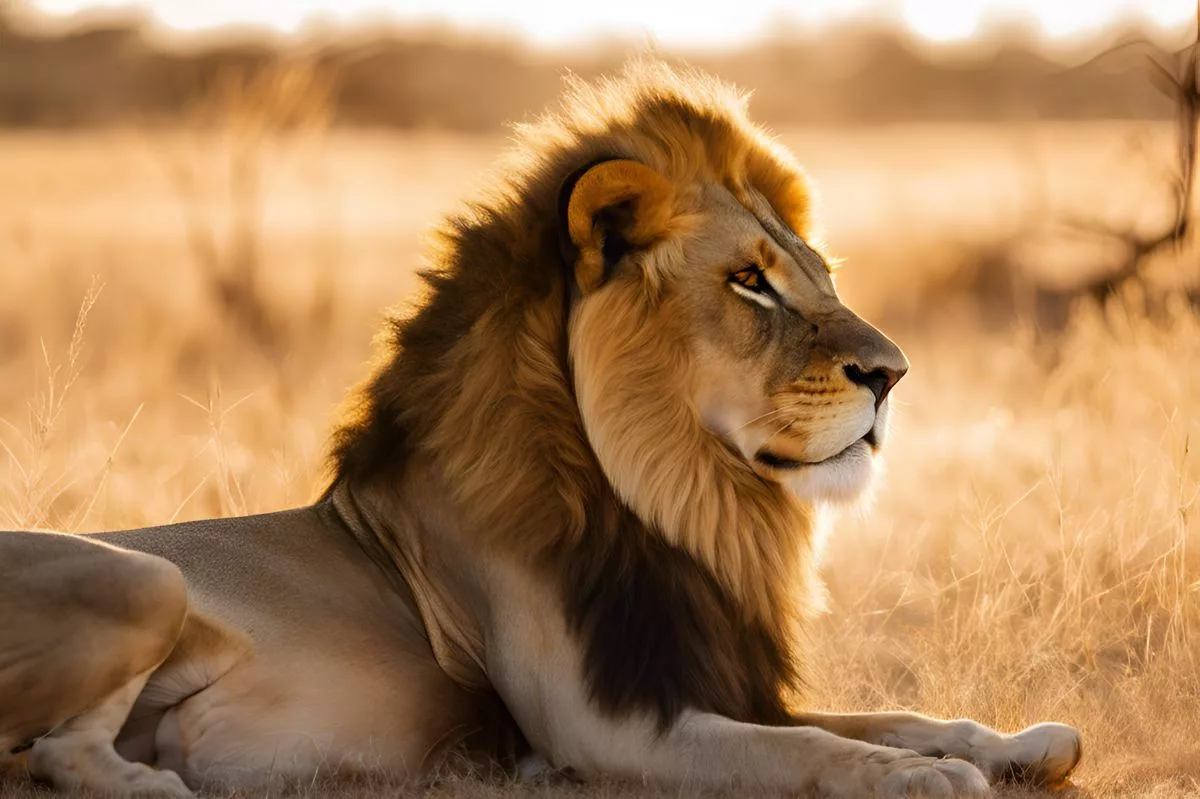
Capture the magic of your safari adventure with just your smartphone! To take amazing photos, use the soft sunlight during the early morning or late afternoon for vibrant colors. Get up close to the animals—avoid digital zoom for clearer shots, and steady your phone on solid surfaces to avoid blurriness. Remember to think about composition, like placing your subjects following the rule of thirds, to create exciting images. With these easy tips, you can turn your snapshots into stunning memories of wildlife in their natural world!
How can I take great safari photos with my smartphone?
To capture stunning safari photos with your smartphone, follow these tips:
- Utilize natural light during golden hours.
- Get close to your subjects instead of relying on digital zoom.
- Ensure stability using solid surfaces or burst mode.
- Master composition techniques like the rule of thirds.
Embarking on a safari is a one-of-a-kind experience, allowing you to see magnificent wildlife thriving in their natural environment. The excitement of witnessing lions, elephants, and other remarkable creatures firsthand is unmatched. While capturing these moments might seem tricky without professional gear, today’s smartphones are more than capable. By employing the right techniques, you can turn simple snapshots into stunning photographs that rival those taken with a DSLR. Here are four critical tips to elevate your safari photography using just your smartphone.
1. Utilizing Natural Light to Your Advantage
Lighting is fundamental in photography, and a safari offers a wealth of natural light, especially during the “golden hours” of early morning and late afternoon. These times provide soft, warm light that adds depth and richness to your photos. It’s crucial to position yourself correctly: always aim to have the sun behind you to fully illuminate your subjects. This approach brings out vibrant colors and makes the scene feel lively and dynamic. Imagine photographing a lion soaking in the morning sun or a herd of elephants strolling across the plains; the results can be breathtaking.
For those who prefer a more artistic touch, shooting directly into the sun can create dramatic silhouettes. This technique, called backlighting, can transform the outline of a giraffe against the setting sun into a striking visual. The key is to play around with various angles and lighting conditions to find what best suits your style.
2. Overcoming the Distance: The Zoom Challenge
Wildlife photography often involves keeping a safe distance from the animals, which can make capturing detailed images challenging. The temptation to zoom in on your smartphone can be strong, but digital zoom often results in grainy and pixelated photos. Instead, try to get as close as safely possible to your subject. The closer you are, the less you’ll need to rely on zoom, resulting in clearer images.
If your smartphone is equipped with a telephoto lens, make use of it. Telephoto lenses, found in many newer phone models, allow you to capture distant subjects with greater clarity. Additionally, consider taking wider shots and cropping them later. Modern smartphones have high-resolution sensors, enabling you to crop images without significant loss of detail. This method provides more flexibility in framing your shots and ensures better-quality photos.
3. Ensuring Stability for Clearer Shots
The safari environment is rarely stable; whether you’re navigating a bumpy ride or standing on uneven ground, keeping your smartphone steady can be a challenge. Any slight movement can result in blurry images, especially when photographing moving animals. One effective technique is to use stable surfaces like the safari vehicle, a tree, or a rock to steady your phone. This minimizes shaking and helps produce sharper images.
Most smartphones come with a burst mode feature, which captures multiple shots in rapid succession. This feature is particularly useful for photographing moving animals, increasing your chances of getting a perfectly timed, clear shot. By holding down the shutter button, you can review a series of images later and choose the best one. This method is especially beneficial for dynamic scenes where animals are running or interacting.
4. Enhancing Your Photos through Composition
Exceptional wildlife photos do more than just capture animals; they tell a compelling visual story. Mastering composition techniques can enhance your images from ordinary to extraordinary. One basic principle is the rule of thirds. Activating the grid function on your smartphone camera helps you apply this rule, which involves placing your subject along one of the grid lines or at an intersection point rather than centering it. This simple adjustment can create a more dynamic and visually appealing image.
Capturing animals in action adds energy and emotion to your photos. Whether it’s a lioness on the hunt, a zebra sprinting across the savannah, or birds soaring in formation, action shots are captivating. Timing and patience are crucial; waiting for the right moment can make all the difference. Observe the animal’s behavior and anticipate its movements to frame your shot effectively.
The Evolution and Influence of Wildlife Photography
Historical Context
Wildlife photography boasts a rich history dating back to the late 19th century. Early pioneers like Cherry Kearton and his brother Richard utilized cumbersome equipment to document animals in the wild. Their groundbreaking work laid the foundation for modern wildlife photography, emphasizing patience, respect for nature, and the pursuit of the perfect shot.
The mid-20th century saw advancements in camera technology, making wildlife photography more accessible. Lighter, portable cameras allowed photographers to explore remote areas. Influential figures like Ansel Adams and Eliot Porter pushed boundaries further, capturing the beauty of natural landscapes and wildlife with an artistic flair.
Artistic Influence
Artistic movements have significantly influenced wildlife photography. The Romantic movement in the 19th century, with its focus on the sublime beauty of nature, inspired photographers to capture the grandeur of wildlife and landscapes. This approach encouraged viewing subjects as integral parts of a magnificent natural world rather than merely scientific specimens.
Impressionism also left its mark, prompting wildlife photographers to experiment with light and color to create mood and atmosphere in their images. This artistic experimentation continues today, with techniques like backlighting and silhouette adding drama and emotion to photos.
The Digital Revolution
The digital age has revolutionized photography, democratizing the art form and making it accessible to everyone. Modern smartphones’ convenience and capabilities enable even amateur photographers to capture stunning wildlife photos. This democratization has heightened appreciation for wildlife and the need for conservation, illustrating photography’s role in raising awareness about the natural world.
Post-processing software further expands creative possibilities. Photographers can enhance their images, bringing out details and colors that were once challenging to achieve. Despite these advancements, the essence of great wildlife photography remains unchanged: a deep respect for nature, an understanding of animal behavior, and the ability to capture moments that tell a captivating story.
While professional camera gear undoubtedly has its advantages, your smartphone can be a powerful tool for capturing the wonders of a safari. By focusing on natural light, smart zoom techniques, steady shooting, and thoughtful composition, you can produce images that are not only beautiful but also narrate the incredible stories of the wild. Whether you’re a seasoned photographer or a beginner, these tips will help you make the most of your safari adventure, preserving memories of majestic creatures and stunning landscapes for years to come.
FAQ: Capturing Safari Adventures with Your Smartphone
How can I take great safari photos with my smartphone?
To capture stunning safari photos with your smartphone, follow these tips: utilize natural light during golden hours, get close to your subjects instead of relying on digital zoom, ensure stability using solid surfaces or burst mode, and master composition techniques like the rule of thirds.
What are the best times for photography on a safari?
The best times for photography on a safari are during the “golden hours,” which are early morning and late afternoon. During these times, the soft, warm light enhances the vibrancy of your photos and adds depth to your subjects.
Why should I avoid using digital zoom on my smartphone?
Digital zoom can lead to grainy and pixelated images. Instead, try to get as close as safely possible to your subject or use a telephoto lens if your smartphone has one. Taking wider shots and cropping later can also yield better-quality images.
How can I ensure stability while taking photos on a bumpy safari?
To ensure stability while taking photos, utilize solid surfaces such as the safari vehicle, a tree, or a rock to steady your smartphone. Additionally, using the burst mode feature allows you to capture multiple shots quickly, increasing your chances of getting a clear image.
What is the rule of thirds, and how can I use it in my photos?
The rule of thirds is a composition technique that involves dividing your frame into a 3×3 grid and placing your subject along the grid lines or at their intersection points. This technique creates more dynamic and visually appealing images compared to centering your subjects.
How has the evolution of photography impacted wildlife photography?
Wildlife photography has evolved significantly since the late 19th century with advancements in equipment and techniques. The digital revolution has made photography more accessible, allowing amateur photographers to capture stunning wildlife images with smartphones. This shift has heightened appreciation for wildlife and the importance of conservation, showcasing photography’s role in raising awareness about the natural world.