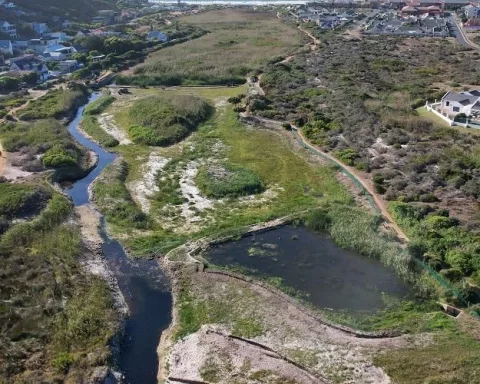

The Damara Trail is a brand-new hiking experience in South Africa’s De Mond Nature Reserve, designed for everyone to enjoy at their own pace. Over two days, hikers can explore breathtaking landscapes, learn about local nature and culture, and connect deeply with the environment. The trail combines gentle walks with educational signs, revealing fascinating stories about the area. As you wander along, you can breathe in the fresh air and feel the peace of nature, making it a perfect escape from the rush of everyday life. Bookings open on October 4, inviting adventurers to embrace this special journey!
What is the Damara Trail and why is it unique?
The Damara Trail is a new slow hiking experience in South Africa’s De Mond Nature Reserve. It offers a two-day journey through stunning landscapes, engaging with nature and culture. Ideal for all fitness levels, the trail promotes mindfulness and connection to the environment, making it a transformative adventure.
The Emergence of Slow Hiking in South Africa
In the world of experiential tourism, where the journey rivals the destination in importance, the Western Cape’s De Mond Nature Reserve takes the lead with an innovative offering: the Damara Trail. This slow overnight hiking trail, unveiled by CapeNature in honor of World Tourism Day, provides an opportunity for adventurers to relish South Africa’s magnificent landscapes at a leisurely pace. Nestled near the charming seaside town of Arniston, the Damara Trail merges natural beauty with tranquility, urging hikers to pause, breathe, and fully engage with their stunning surroundings.
Globally, the slow hiking movement is gaining traction, emphasizing mindfulness and the intrinsic bond between nature and well-being. This trend parallels the Slow Food movement of the late 1980s, which champions savoring experiences and fostering a deep connection with the environment. The Damara Trail embraces this philosophy, inviting hikers as young as eight years old to embark on an accessible adventure that blends ease with discovery.
The trail is designed to be inclusive, catering to a range of fitness levels. Its itinerary spans two days, beginning with a gentle 5-kilometer walk that takes about an hour and 45 minutes. This initial segment guides hikers to an inviting wooden deck where they can set up camp and immerse themselves in the serene environment. The following day unfolds with an 11.5-kilometer coastal hike that lasts approximately three hours and 45 minutes, concluding on the sandy shores of Arniston.
A Tapestry of Natural and Cultural Riches
The Damara Trail is not only a journey through breathtaking landscapes but also a tapestry woven with unique ecological and cultural elements. Interpretive signage enriches the route, transforming the hike into an interactive educational journey. These thoughtfully arranged markers unveil the secrets of De Mond’s diverse flora and fauna, while also delving into the region’s vibrant cultural heritage and geological wonders. Hikers may uncover tales of shipwrecks that narrate the area’s maritime past or find themselves awestruck by the Waenhuiskrans Cave, a natural marvel sculpted into the coastal terrain over thousands of years.
Educational and awareness initiatives are integral to the trail, reflecting CapeNature’s dedication to preserving and celebrating the Western Cape’s rich biodiversity. Dr. Ashley Naidoo, CEO of CapeNature, underscores the trail’s dual role as an invitation and an opportunity. “We take pride in constantly innovating our tourism offerings, whether through accommodation or hiking trails,” Naidoo remarks. “The Damara Trail is poised to become yet another beloved activity for both longtime CapeNature visitors and newcomers.”
This initiative aligns with a larger movement that acknowledges the transformative power of nature-based tourism. By advocating sustainable practices and nurturing a deeper appreciation for natural environments, the Damara Trail exemplifies the evolving relationship between humans and their surroundings. It encourages participants to see themselves not merely as visitors but as custodians of the land, fostering a sense of responsibility and reverence for the natural world.
Embracing Nature’s Restorative Power
The unveiling of the Damara Trail coincides with a period when outdoor pursuits are increasingly valued for their rejuvenating effects. As people globally seek solace in the embrace of nature, the Damara Trail offers a sanctuary where time decelerates, senses awaken, and the world reveals itself in its unhurried grandeur. The trail’s design, with its gentle slopes and smooth terrains, provides an ideal setting for introspection and revitalization, where each step becomes a purposeful act of communion with the earth.
For those eager to experience this journey, bookings open on October 4, signaling the start of what promises to be a transformative adventure. CapeNature invites adventurers to join this tapestry of exploration and discovery, offering a chance to create enduring memories amidst the Western Cape’s stunning wilderness. As the Damara Trail beckons, it serves as a poignant reminder that sometimes, the most profound adventures arise not from rushing forward, but from pausing to appreciate the beauty that envelops us.
“`markdown
What is the Damara Trail and why is it unique?
The Damara Trail is a new slow hiking experience located in South Africa’s De Mond Nature Reserve. It offers a two-day journey through stunning landscapes, allowing hikers to engage with nature and culture at their own pace. The trail is designed to accommodate all fitness levels, promoting mindfulness and a deep connection to the environment.
When do bookings for the Damara Trail open?
Bookings for the Damara Trail open on October 4. This date marks the beginning of an exciting opportunity for adventurers to explore the beautiful surroundings of the De Mond Nature Reserve.
How long is the Damara Trail and what can hikers expect?
The Damara Trail spans two days. The first day features a gentle 5-kilometer hike that takes approximately one hour and 45 minutes, leading to a wooden deck for camping. The second day includes an 11.5-kilometer coastal hike lasting about three hours and 45 minutes, concluding on the sandy shores of Arniston.
Is the Damara Trail suitable for all ages and fitness levels?
Yes, the Damara Trail is designed to be inclusive and accessible to hikers of all ages and fitness levels. It invites participants as young as eight years old to join in and enjoy the experience, making it perfect for families and individuals looking for a leisurely adventure.
What educational aspects are included in the Damara Trail experience?
The Damara Trail features interpretive signage along the route, offering hikers insights into the diverse flora and fauna of the region as well as local cultural heritage and geological wonders. This educational element transforms the hike into an interactive journey, enhancing the overall experience.
What are the benefits of slow hiking, as practiced on the Damara Trail?
Slow hiking promotes mindfulness and a deeper connection to nature, allowing participants to engage more fully with their surroundings. This approach encourages introspection, revitalization, and appreciation for the environment, reflecting a trend towards nature-based tourism that emphasizes well-being and sustainable practices.
“`