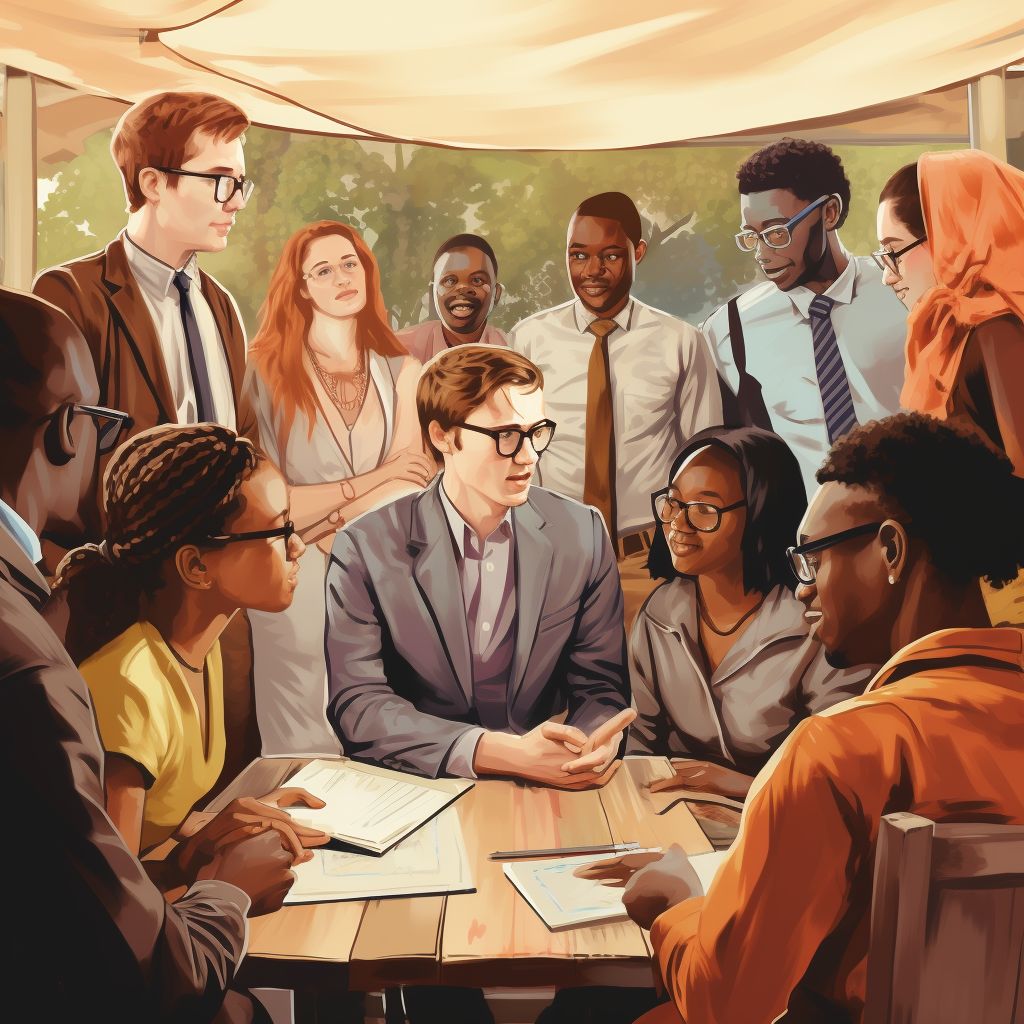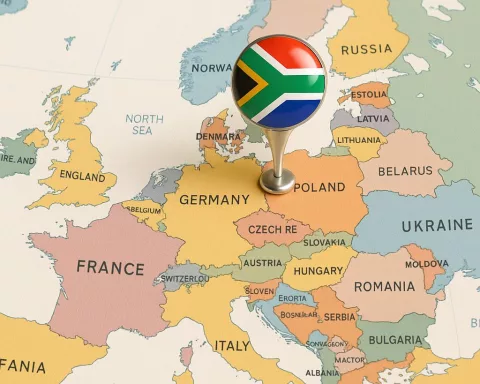
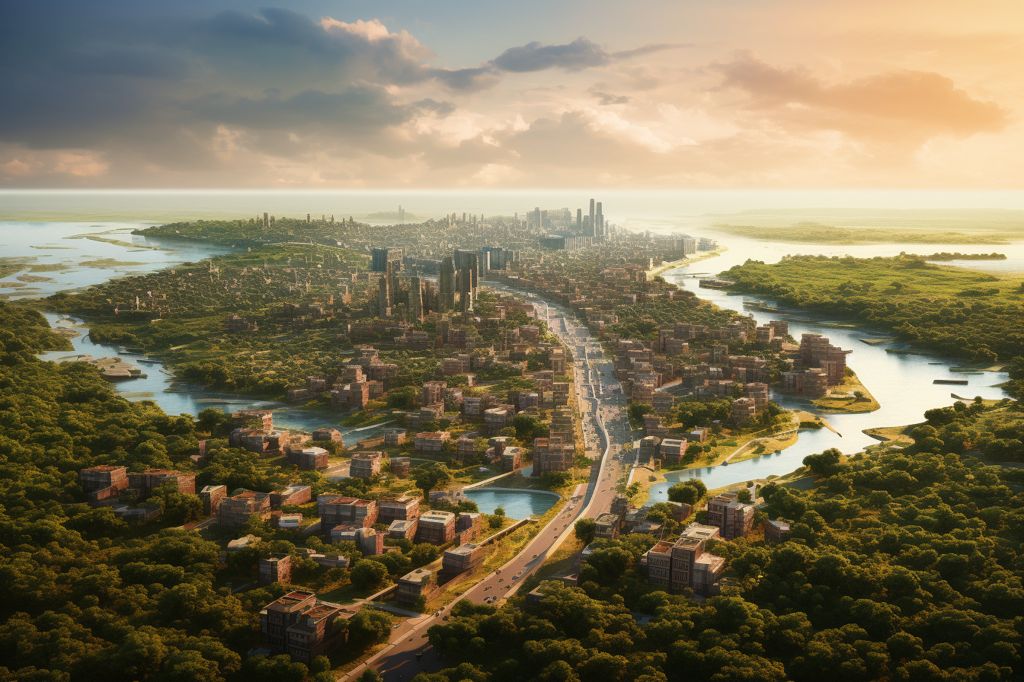
The BRICS Urbanisation Forum, held at the Inkosi Albert Luthuli Convention Centre, had the theme of “Advancing Urban Resilience for Sustainable Cities and Towns for Future Generations.” Urban growth in African countries poses significant challenges, especially in small and medium-sized towns, where people move to cities for better economic opportunities.
Rapid Urbanization Risks in BRICS Nations
Africa is expected to have the world’s fastest urban growth rate, with an additional 950 million people residing in African cities by 2050. This rapid urbanization poses major risks and challenges, including critical infrastructure pressures, water and sanitation issues, unsustainable housing, and stretched road networks. Climate change and pollution also present risks related to urbanization.
Rethinking Human Settlements for the Future
Governments face the daunting task of rethinking human settlements for future generations. Strengthening community participation and public-private partnerships is crucial. In South Africa, urban planning has historically been driven by racial factors, creating a deficiency in social facilities and access to land parcels, registers, plans, and records.
Challenges Faced by Durban, South Africa
Durban, also known as EThekwini Metropolitan Municipality, accounts for 60% of KwaZulu-Natal’s economic activity and has a population of approximately 4 million. The city faces challenges related to informal settlements, homelessness, and a backlog of housing estimated at 470,000. Water, sanitation, and solid waste management are also constrained.
Integrated Human Settlements for a More Sustainable Environment
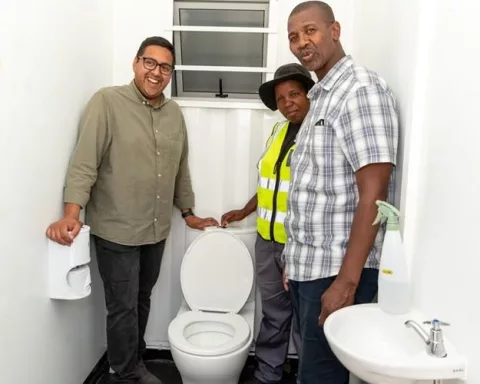
The South African government is building integrated human settlements and upgrading privately-owned land to create a more sustainable, liveable environment with economic and social opportunities. Private sector investments in retail, commercial, and light industrial developments are also significant.
Addressing Urban Resilience in BRICS Cities and Towns
The BRICS forum’s theme, “Advancing, Strengthening, and Building Urban Resilience,” focuses on addressing urban resilience in the face of climate change and rapid urbanization. Discussions and presentations examine BRICS cities and countries’ responses to socio-economic disparities and environmental factors.
Localizing Sustainable Development Goals
Major emerging economies, Brazil, Russia, India, China, and South Africa, must play a significant role in localizing the Sustainable Development Goals (SDGs) and implementing actions at the local level. By being part of BRICS, these countries can impact globally in climate mitigation, adaptation, and resilience strategies.
Cementing Global Partnerships for Sustainable BRICS Cities and Towns
The BRICS gathering serves as an opportunity to cement global partnerships for adopting Climate Smart Agriculture, sustainable urbanization, and continued investment in industrial decarbonization. The goal is to build safe and healthy environments in towns, cities, rural and urban areas, townships, and suburbs.
Overcoming Challenges for Future Generations
The BRICS Urbanisation Forum provides an invaluable platform for nations to discuss, learn, and collaborate on overcoming the challenges posed by rapid urbanization and climate change. By working together, emerging economies can develop sustainable, resilient cities and towns for future generations.