The future of urban development in South Africa is bright and focused on creating sustainable communities. With new policies and strong teamwork, leaders aim to tackle the challenges of rapid city growth, like the need for housing and services. At the National Urban Forum, important voices, including Minister Mmamoloko Kubayi, are coming together to share ideas and solutions. They are committed to shaping cities that are safe, resilient, and welcoming for everyone. Through research and collaboration, South Africa is determined to build a better urban future, learning from its past while looking ahead to what’s next.
What is the future of urban development in South Africa?
The future of urban development in South Africa focuses on sustainable human settlements, innovative policy-making, and collaborative efforts. Key initiatives include the new White Paper on Human Settlements and the Human Settlements Research Agenda, aiming to address rapid urbanization and enhance housing, infrastructure, and essential services.
Charting a Course: The National Urban Forum
In the vibrant core of South Africa, a significant dialogue unfolds at the National Urban Forum, marking a transformative phase in the country’s urban development. This important event draws a diverse group of attendees, including governmental figures, industry leaders, and civil society voices, all united in their dedication to tackling the multifaceted challenges posed by urbanization. At the forefront of these discussions is Minister Mmamoloko Kubayi, the Minister of Human Settlements, who stresses the necessity for innovative solutions in managing the swift pace of urban growth.
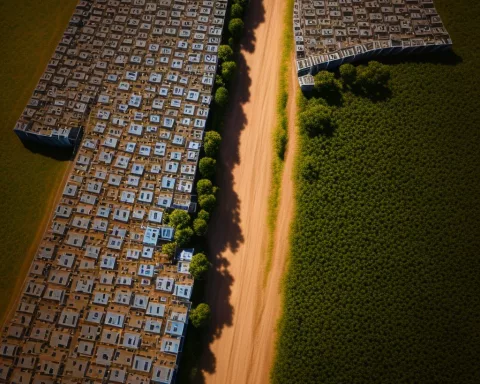
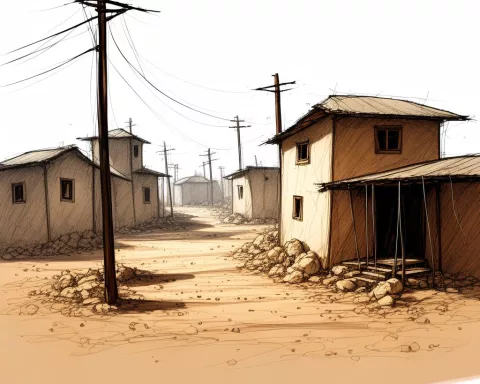
The urgency behind these discussions arises from the rapid expansion and changing migration patterns in South African cities. As urban areas swell with new residents, there is a growing demand for housing, infrastructure, and essential services. Unfortunately, the supply side has lagged, leading to the mushrooming of informal settlements and urban slums. These areas not only leave families vulnerable to environmental and social risks but also highlight the pressing need for robust urban planning and development strategies.
Minister Kubayi’s insights at the forum resonate with the goals of South Africa’s National Development Plan (NDP), which calls for an extensive national dialogue on the future of urban, suburban, and rural regions. The plan seeks to elevate public awareness and understanding of urban challenges by engaging municipalities, provincial governments, and national departments. This approach aims to incorporate a wide array of perspectives and innovative ideas into strategic urban policies. The historical context of South Africa’s housing policy, beginning with the National Housing Forum of the early 1990s and the landmark Botshabelo Accord, serves as a foundational backdrop for these efforts.
Building on Legacy: A New White Paper on Human Settlements
Looking ahead, the development of a new White Paper on Human Settlements signals a commitment to progressive urban planning. This initiative builds on the legacy of the 1994 White Paper on Housing and is informed by extensive consultations, research, and an anticipation of emerging trends. The framework aligns with international dialogues, particularly the United Nations’ New Urban Agenda, which provides a roadmap for sustainable urban development through 2030. South Africa’s proactive role in shaping this agenda underscores its commitment to addressing urban issues on a global platform.
Despite notable progress, such as delivering approximately 4.8 million housing opportunities since the inception of democracy, challenges endure. The 2022 Census Report indicates a rise in formal dwellings from 77.6% in 2011 to 88.5% in 2022. Nevertheless, there remain gaps in policy execution and program effectiveness, reflecting significant societal shifts that demand adaptive strategies. Factors like rapid urbanization, technological progress, and climate change heavily influence human settlement needs, necessitating inventive solutions.
Central to this dialogue is the localization of the New Urban Agenda, which requires concerted efforts from various organizations and actors in urban development to drive spatial transformation and sustainable human settlements. Emphasizing collaboration, co-production, and partnerships, the forum reflects a shared vision for the cities of tomorrow. Achieving this vision requires a mutual understanding and agreement among diverse stakeholders.
Connecting Research and Policy: The Human Settlements Research Agenda
Beyond discussions of policy, a pivotal development is the initiation of the Human Settlements Research Agenda. This agenda aims to encourage collaborative efforts among research bodies to support evidence-based policy-making. By engaging with young, innovative minds, the research framework seeks to cultivate fresh ideas and drive advancements in the human settlements sector.
Highlighting the significance of platforms like the National Urban Forum, Minister Kubayi, backed by the United Nations Human Settlements Programme (UN-Habitat), emphasizes their role in facilitating essential conversations. The forum builds on insights from past events, such as the African Urban Forum held in Addis Ababa, Ethiopia. These discussions are crucial as they lay the groundwork for the upcoming Twelfth Edition of the World Urban Forum in Cairo, where South Africa aims to further influence global urban strategies.
Through these concerted efforts, South Africa aspires to reshape its urban landscape, ensuring that human settlements are developed sustainably. The objective is not merely to address current challenges but also to anticipate future needs, creating cities that are inclusive, resilient, and vibrant. As the dialogue at the National Urban Forum continues, it stands as a testament to the nation’s dedication to crafting a shared urban future that emphasizes continuous improvement and innovation.
“`markdown
FAQ: The Future of Urban Development in South Africa
What is the focus of urban development in South Africa moving forward?
The future of urban development in South Africa emphasizes creating sustainable human settlements through innovative policy-making and collaborative efforts. Initiatives like the new White Paper on Human Settlements and the Human Settlements Research Agenda aim to address rapid urbanization while enhancing housing, infrastructure, and essential services.
Why is the National Urban Forum important?
The National Urban Forum is a crucial platform for dialogue among various stakeholders, including government officials, industry leaders, and civil society. It addresses the challenges of urbanization in South Africa, such as housing shortages and inadequate infrastructure, while fostering innovative solutions led by figures like Minister Mmamoloko Kubayi.
What challenges does South Africa face in urban development?
Rapid urban growth has led to increased demand for housing, infrastructure, and essential services, resulting in the rise of informal settlements and urban slums. Despite delivering millions of housing opportunities since the end of apartheid, issues in policy execution and program effectiveness remain significant challenges in meeting the needs of the growing population.
How does the new White Paper on Human Settlements differ from previous policies?
The new White Paper on Human Settlements builds on the legacy of the 1994 White Paper on Housing by incorporating extensive consultations and research to address current and emerging trends. It aligns with international frameworks like the United Nations’ New Urban Agenda, focusing on sustainable urban development through 2030.
What role does research play in shaping urban policy in South Africa?
The Human Settlements Research Agenda aims to promote evidence-based policy-making by encouraging collaboration among research bodies. This initiative seeks to engage young innovators and cultivate fresh ideas to drive advancements in the human settlements sector, ensuring that policies are informed by rigorous research.
How does South Africa plan to meet future urban challenges?
South Africa’s strategy involves a comprehensive approach that includes localization of the New Urban Agenda, fostering collaboration among various stakeholders, and anticipating future needs through innovative solutions. The ongoing discussions at forums like the National Urban Forum aim to create cities that are inclusive, resilient, and vibrant, addressing current challenges while preparing for the future.
“`