Adolescent suicide is becoming a serious problem in South Africa, with many young people feeling overwhelmed by school, family issues, and money troubles. Between April and December 2024, over 7,400 children were treated for suicide attempts, showing just how urgent this crisis is. Schools, once safe places, are now crucial for spotting and helping struggling students. Community support and open conversations about mental health are essential to create an environment where young people feel understood and supported. With the right help, many can find hope and healing instead of despair.
What are the main causes of adolescent suicide in South Africa?
Adolescent suicide in South Africa is driven by various factors, including academic pressures, familial discord, and financial strains. These overwhelming stressors often lead young individuals to view suicide as a desperate plea for help, necessitating urgent intervention and support from schools and communities.
Understanding the Crisis
Recent data from the Department of Health have brought the issue of adolescent suicide into sharp focus in South Africa. Alarmingly, between April and December of 2024, 7,426 children were treated for suicide attempts, as highlighted by Cape {town} Etc. These figures underscore a burgeoning crisis that urgently demands thorough and immediate intervention.
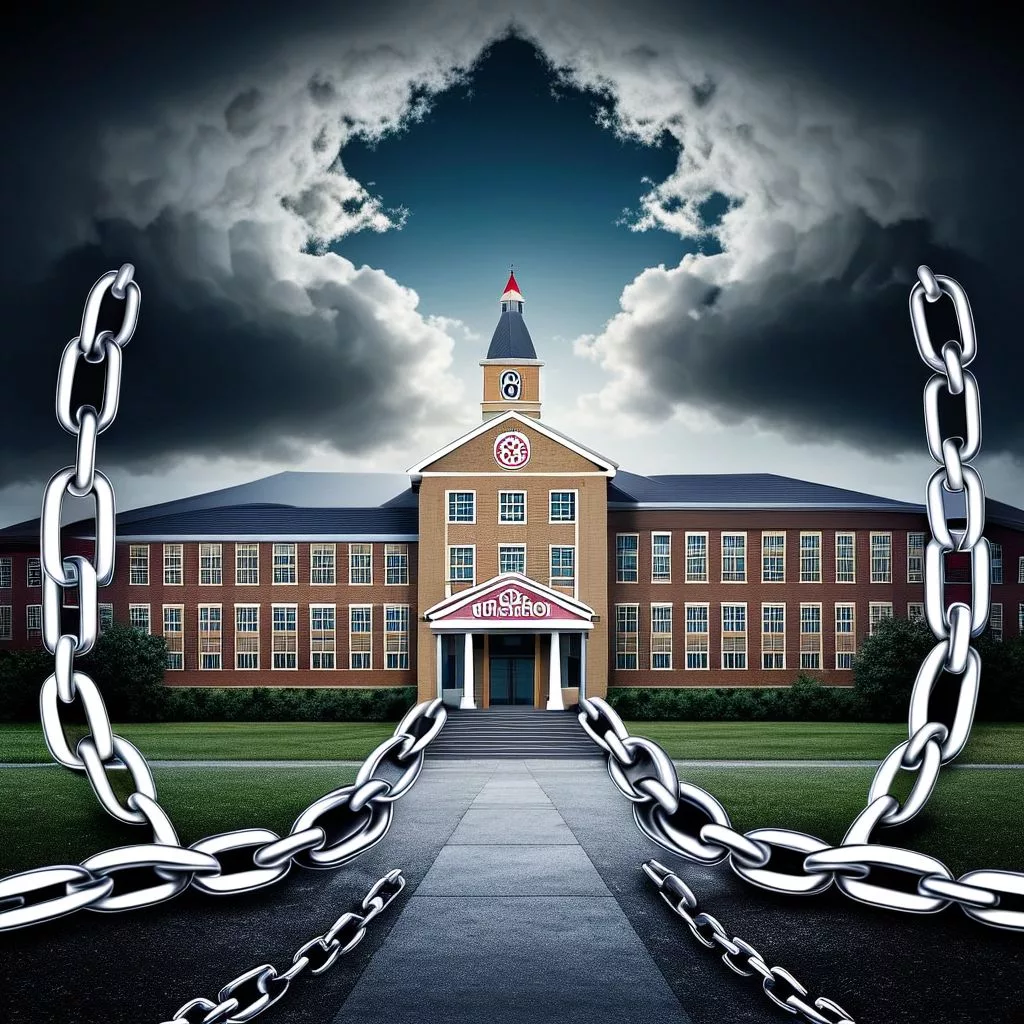
Sibongile Monareng, serving as the director of psychosocial support within the Department of Basic Education, has raised concerns about the increasing tendency of students to attempt suicide on school grounds. Traditionally seen as places of safety and learning, schools are now emerging as critical arenas for intervention and support. Monareng stresses that educational institutions should not only serve an academic purpose but should also become sanctuaries for promoting mental health and well-being.
Highlighting the depth of the issue, Roshni Parbhoo-Seetha of the South African Depression and Anxiety Group brings attention to the often-ignored struggles faced by adolescents. She points out a “sad reality”—many parents are unaware of the magnitude of their children’s challenges. These young individuals often grapple with academic pressures, familial discord, and financial strains. Such overwhelming stress can lead adolescents to view suicide as a desperate plea for help, rather than a solution to their problems.
Addressing the Complexities of Intervention
The complexities surrounding adolescent suicide necessitate a thoughtful and layered approach to intervention. Monareng emphasizes that the Department of Basic Education has initiated processes for aiding teachers in identifying students who might need psychosocial support. Teachers, often the first to notice changes in students, receive guidance to recognize warning signs and provide timely help.
The approach of Teen Suicide Prevention Week intensifies efforts to identify and respond to signs of suicidal ideation. These “crucial and potentially life-saving” indicators include mood swings, irritability, and emotional withdrawal. Observant loved ones play a pivotal role in noting these changes, as well as signs of substance abuse or social isolation, which may accompany feelings of inescapable pain and purposelessness.
Zane Wilson, founder of the South African Depression and Anxiety Group (SADAG), highlights the strong link between depression and suicide. He describes depression as a persistent state of sadness that erodes joy and fosters thoughts of worthlessness. Wilson shares poignant stories received through his organization’s helpline, illustrating the dire circumstances many adolescents face. However, he also provides hope, reminding us that with appropriate intervention, over 70% of those affected by depression can recover. SADAG’s teen suicide helpline (0800 567 567) offers essential support to those in distress.
The Role of Society and the Arts
The issue of teen suicide is intricately tied to broader societal challenges and echoes themes from historical and artistic movements. Romanticism, with its emphasis on emotion and individualism, explored the depths of human despair and the quest for meaning. Similarly, existentialist thought grappled with questions of purpose and the human condition, mirroring the struggles today’s youth endure.
To address this crisis effectively, adopting a holistic approach is crucial. This involves considering not only individual factors but also the societal structures that contribute to despair. Initiatives that integrate mental health education into school curriculums, offer parental guidance, and encourage community participation are vital components of a comprehensive strategy.
Moreover, the arts can serve as a powerful tool in this discourse. Creative programs provide youth with avenues for expressing and processing their emotions. Through writing, visual arts, and other forms of artistic expression, young people can explore their inner worlds, fostering resilience in the face of adversity.
Building a Supportive Environment
The participation of cultural and community leaders is instrumental in transforming attitudes towards mental health. By promoting open conversations and destigmatizing mental illness, these leaders can help break down barriers to seeking help. Their influence can drive a collective commitment to creating environments where young people feel supported and understood.
Ultimately, the challenge is to build a society that prioritizes and values the mental well-being of its youth. By doing so, South Africa can pave the way for a future where hope and healing replace despair and isolation, ensuring that every young person has the opportunity to thrive.
Engaging in open dialogue, establishing robust support systems, and nurturing individual resilience are key steps toward addressing the complex issue of teen suicide. By coming together as a community, we can work towards a future where young lives are celebrated and cherished, creating a society that offers hope and healing to its youth.
FAQ on Adolescent Suicide in South Africa
What is the current state of adolescent suicide in South Africa?
Adolescent suicide has become a growing crisis in South Africa, with over 7,400 children treated for suicide attempts between April and December 2024. The urgent need for intervention and support in schools and communities is increasingly recognized.
What are the main causes of adolescent suicide in South Africa?
The primary causes of adolescent suicide in South Africa include academic pressures, family issues, and financial difficulties. These stressors often lead young people to see suicide as a desperate plea for help, highlighting the need for immediate support.
How can schools help in preventing adolescent suicide?
Schools play a critical role in identifying and supporting students who may be struggling with mental health issues. Training teachers to recognize warning signs, such as mood swings and emotional withdrawal, is vital. Schools should also promote mental health awareness and provide access to resources for students in need.
What role do parents play in the mental health of adolescents?
Parents can significantly influence their children’s mental well-being. However, many parents may not fully understand the challenges their children face. Open communication and awareness of signs of distress are crucial for fostering a supportive home environment.
What resources are available for adolescents in crisis?
The South African Depression and Anxiety Group (SADAG) offers a teen suicide helpline at 0800 567 567, providing essential support for young individuals in distress. Additionally, mental health organizations and community programs can offer further resources for adolescents seeking help.
How can society contribute to addressing adolescent suicide?
Creating a supportive environment for youth involves community participation, open dialogue about mental health, and engaging cultural leaders to break down stigma. Initiatives that focus on mental health education, parental guidance, and artistic expression can collectively foster resilience and hope among adolescents.