Cape Town is facing a big challenge with water shortages, but it’s fighting back with a new desalination plant that will turn seawater into clean drinking water. This plant is part of a larger plan to secure the city’s water supply and involves the community in making important decisions. By producing 50 to 70 million liters of water every day, Cape Town hopes to ensure everyone has access to this vital resource. As the city moves forward, it aims to be a shining example of how to tackle environmental challenges while keeping its diverse communities in mind.
What is Cape Town’s strategy to address its water crisis?
Cape Town’s strategy to tackle its water crisis includes the implementation of a desalination plant, projected to produce 50-70 million liters of water daily. This initiative is part of the New Water Programme, which aims to diversify and stabilize the city’s water supply through community engagement and sustainable practices.
Cape Town, renowned for its stunning landscapes and cultural diversity, currently confronts a crucial challenge: water scarcity. With factors such as climate change, erratic rainfall, and an ever-growing population jeopardizing the city’s water supply, Cape Town has set its sights on sustainable solutions. The recent public meeting organized by the City of Cape Town’s Water and Sanitation Directorate signifies a notable move toward sustainability, centering on the proposal of a permanent desalination plant at Paarden Eiland.
Desalination: A Core Strategy for Water Security
Desalination is a process that transforms seawater into drinkable water by removing salt and minerals. This technique is now central to Cape Town’s water augmentation strategy. While not a novel concept, desalination has garnered increased attention as numerous cities worldwide face similar water supply issues. The proposed plant in Cape Town is projected to produce between 50 to 70 million liters of water daily, marking a substantial contribution to the city’s strategic water goals.
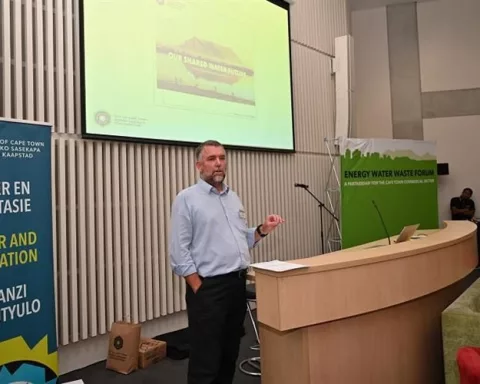
The public meeting held on February 12, 2025, was the first in a planned series aimed at engaging the community in dialogues about this ambitious endeavor. Residents were given a platform to voice their opinions, raise concerns, and understand the potential impact of the project. This interaction not only meets the legislative mandates of the Municipal Services Act but also exemplifies the democratic value of involving citizens in decisions affecting their community.
Councillor Zahid Badroodien, Mayoral Committee Member for Water and Sanitation, highlighted the pivotal role of community engagement in shaping Cape Town’s water future. He urged residents to participate in forthcoming sessions or provide feedback through various channels, emphasizing the city’s dedication to transparency and public involvement.
Building Resilience Through the New Water Programme
The desalination plant’s development is an integral component of Cape Town’s New Water Programme, a comprehensive initiative aimed at diversifying and stabilizing the city’s water supply to withstand future shortages. This program includes a variety of water augmentation projects, such as groundwater extraction, water reuse, and enhancements to existing infrastructure. Collectively, these efforts aim to bolster the city’s water supply by an additional 300 million liters from diversified sources, ensuring a consistent and dependable water system for its inhabitants.
Cape Town’s approach to sustainable water management is not solely a reaction to current challenges but a proactive strategy for the future. Historical parallels can be drawn with other cities like Melbourne, Australia, which, after enduring severe droughts, implemented extensive water management reforms including desalination. These reforms have since secured Melbourne’s water supply, offering both inspiration and cautionary lessons for Cape Town as it progresses.
The city’s water strategy is emblematic of human progress through innovation and adaptation, principles that have been pivotal throughout history. From the construction of Roman aqueducts to the adoption of contemporary smart city technologies, societies have consistently sought innovative solutions to environmental challenges. Cape Town’s adoption of desalination technology represents another chapter in this ongoing narrative of ingenuity.
Addressing the Implications of Desalination
While the technical benefits of desalination are well-documented, its broader implications demand consideration. Although effective, desalination plants require substantial energy and pose environmental challenges, particularly concerning brine disposal. A balanced approach that combines technological advancements with ecological responsibility is essential in tackling these issues.
Furthermore, the economic aspects of constructing and operating a desalination plant are significant, necessitating meticulous financial planning and investment. However, the potential advantages—ensuring a reliable water supply, promoting economic stability, and enhancing quality of life—far exceed the initial financial outlay.
Beyond the technical and economic considerations, the social and cultural dimensions of water management in Cape Town hold profound importance. Water, as an essential element of life, carries symbolic meaning across cultures. In a city like Cape Town, where diverse communities coexist, access to water transcends practicality and becomes a matter of equity and justice. Ensuring that all residents, regardless of socioeconomic status, have access to clean and safe water is imperative.
Shaping the Future Through Public Engagement
As the process of public participation unfolds, residents have a unique opportunity to influence the future of their city actively. This involvement not only informs the technical aspects of the project but also fosters a sense of ownership and responsibility among citizens. By engaging in this dialogue, the people of Cape Town contribute to a legacy of sustainable development aligned with global movements for environmental conservation and social equity.
The proposed desalination plant at Paarden Eiland marks a pivotal moment for Cape Town as it endeavors to secure its water future. Through public involvement, innovative technology, and a steadfast commitment to sustainability, the city is poised to tackle its water challenges and serve as a model of urban resilience. As Cape Town navigates its path forward, the lessons learned and decisions made today will undoubtedly shape the city’s legacy for generations to come.
Frequently Asked Questions (FAQ) about Cape Town’s Water Crisis
What is Cape Town’s strategy to address its water crisis?
Cape Town’s strategy involves the implementation of a desalination plant that will produce between 50 to 70 million liters of water daily. This initiative is part of the New Water Programme aimed at diversifying and stabilizing the city’s water supply while engaging the community in the decision-making process.
How does desalination work and why is it important for Cape Town?
Desalination is a process that removes salt and minerals from seawater, turning it into drinkable water. In Cape Town, desalination is crucial for augmenting the water supply, especially in the context of climate change and erratic rainfall that threaten water availability. The proposed plant is expected to significantly bolster the city’s water reserves.
How is the community involved in the water management process?
The City of Cape Town has organized public meetings to engage residents in discussions regarding the desalination project and other water management initiatives. These forums provide a platform for community members to voice their opinions, raise concerns, and contribute to shaping the future of water supply in the city, emphasizing transparency and public involvement.
What are the potential environmental impacts of desalination?
While desalination can effectively provide a reliable water source, it poses environmental challenges, particularly in terms of energy consumption and the disposal of brine, a byproduct of the process. It is essential for Cape Town to adopt a balanced approach that incorporates technological innovation while considering ecological responsibility.
How does the New Water Programme plan to diversify Cape Town’s water supply?
The New Water Programme includes various projects, such as groundwater extraction, water reuse, and infrastructure improvements, aiming to increase the city’s water supply by an additional 300 million liters from diverse sources. This holistic approach is designed to create a more resilient and reliable water system for Cape Town’s residents.
Why is access to water considered a matter of equity and justice in Cape Town?
In a diverse city like Cape Town, access to clean and safe water transcends practical needs; it embodies issues of equity and justice. Ensuring that all residents, regardless of their socioeconomic background, have equal access to this vital resource is crucial for fostering social cohesion and improving the overall quality of life in the city.