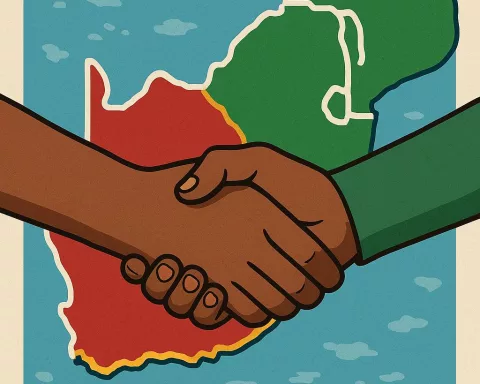
The 28th SA-EU Inter-Parliamentary Meeting was a bright moment in South Africa’s Parliament, bringing together leaders to discuss important global issues. Chairperson Refilwe Mtshweni-Tsipane stressed the need for cooperation and renewal, especially in light of recent elections that celebrated democracy. The meeting focused on pressing challenges like climate change and conflicts, urging nations to work together for peace and better trade. With a spirit of hope and unity, the gathering showed that through dialogue, countries can overcome struggles and build a brighter future for all.
What was the significance of the 28th SA-EU Inter-Parliamentary Meeting?
The 28th SA-EU Inter-Parliamentary Meeting highlighted the importance of democratic values, reinforced global partnerships, and addressed pressing geopolitical challenges. Chairperson Mtshweni-Tsipane emphasized cooperation, sustainable development, and the need for renewed dialogue to navigate contemporary issues like climate change and international conflicts.
In the vibrant corridors of South Africa’s Parliament, the 28th SA-EU Inter-Parliamentary Meeting emerged as a pivotal event, underscoring its political and historical importance. Chairperson Refilwe Mtshweni-Tsipane extended a warm welcome to the European Union delegates, highlighting a commitment to unity and cooperation that transcends continents and ideologies.
Embracing Democratic Milestones
Chairperson Mtshweni-Tsipane’s address acknowledged the profound impact of recent national elections in both South Africa and the European Union. These elections were more than mere renewals of mandates; they celebrated the unyielding spirit of democracy that South Africa has cherished for the past thirty years. This anniversary stirred a reflection on the nation’s journey from its apartheid past toward a just and equitable society. The struggle for liberation necessitated revisiting historical challenges, pushing the nation to confront its past and imagine a future strengthened by learned lessons.
With a tone of solemnity, Mtshweni-Tsipane impressed upon her audience the transformation necessary for healing and growth. South Africa’s progress narrative is a tapestry of hope and adversity, not a straightforward path. The meeting itself symbolized a beacon of opportunity, inviting participants to redefine aspirations for the next three decades with renewed energy and purpose.
Navigating Global Shifts and Challenges
The meeting unfolded against a backdrop of significant global changes in geopolitical landscapes. As nations recalibrated their positions, the urgency for a refreshed political dialogue became apparent. Chairperson Mtshweni-Tsipane’s speech underscored enduring threats to multilateralism and the essential role of robust parliamentary diplomacy. The directive was clear: seek common ground and chart a course for a future rooted in peace, justice, and sustainable development.
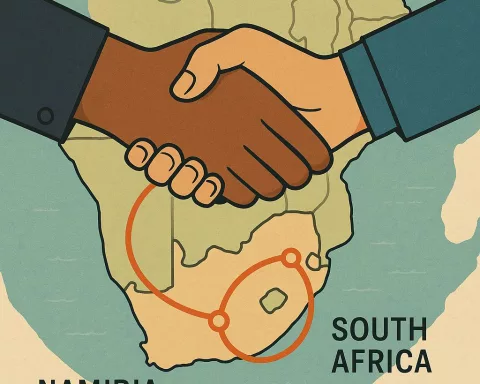
Central to the discussions was the historical relationship between South Africa and the European Union, a bond solidified in the 2008 Joint Declaration. This foundation continues to support ongoing dialogue, with the Chairperson emphasizing the importance of strengthening these ties. The meeting provided a platform for reassessing partnerships, fostering mutual respect, and enhancing collaboration in navigating a multifaceted geopolitical arena.
The dialogue spanned a range of urgent issues, prominently featuring the conflict between Russia and Ukraine. This ongoing strife cast a shadow over both continents, prompting delegates to reaffirm their dedication to the United Nations Charter principles. They advocated for peaceful resolutions and called on the Security Council to fulfill its role in maintaining global peace. This diplomatic call extended to the Palestinian conflict, highlighting the pressing need for dialogue and resolution in recent escalations.
Economic Partnerships and Environmental Commitments
Trade partnerships captured significant attention, focusing on the EU-SADC Economic Partnership Agreement. While trade between the regions thrived, there remained a pressing need to modernize agreements to reflect dynamic developments like the African Continental Free Trade Area. Delegates recognized the opportunity to address inequalities and environmental challenges through constructive dialogue and enhanced collaboration.
Climate change discussions acknowledged the global impact of environmental shifts. The meeting underscored the importance of sustainable development and adherence to the Paris Agreement. The EU’s Carbon Border Adjustment Mechanism drew attention, with delegates emphasizing careful implementation to prevent adverse effects on African economies. The “Just Energy Transition Partnership” emerged as a pivotal initiative, aiming to support South Africa’s transition from fossil fuels towards a low-emission, climate-resilient economy.
Uniting for a Shared Future
As the meeting progressed, the potential outcomes of these deliberations became apparent, holding the promise of augmenting governmental initiatives. Parliamentary diplomacy, with its unique soft power, could effectively resolve disputes and advance trade-related matters. The joint statements crafted in these corridors of dialogue would shape future ministerial and summit-level meetings, reinforcing shared values and goals.
In conclusion, Chairperson Mtshweni-Tsipane’s words resonated with hope and determination. The meeting symbolized more than a mere exchange of ideas; it stood as a testament to the power of collaboration and the possibility of renewal. As history unfolded in unforeseen ways, the Chairperson’s vision for a reimagined world echoed—a world where nations, united by shared challenges, could rise to meet them with unity and resolve. The assembly, a tapestry of diverse voices, served as a testament to the belief that through dialogue and cooperation, another world was not only possible—it was within reach.
“`markdown
What was the significance of the 28th SA-EU Inter-Parliamentary Meeting?
The 28th SA-EU Inter-Parliamentary Meeting underscored the importance of democratic values and global partnerships. It addressed pressing geopolitical challenges and emphasized the need for cooperation and sustainable development, particularly in the context of climate change and international conflicts.
Who were the key speakers at the meeting?
Chairperson Refilwe Mtshweni-Tsipane played a crucial role in the meeting, welcoming European Union delegates and highlighting the commitment to unity and cooperation. Her address reflected on South Africa’s democratic milestones and the importance of renewed dialogue in navigating contemporary global issues.
What major global issues were discussed during the meeting?
The meeting focused on significant challenges including climate change, the conflict between Russia and Ukraine, and the need for peaceful resolutions to global disputes. Discussions also highlighted the Palestinian conflict and the importance of adhering to the principles of the UN Charter.
How did the meeting address economic partnerships?
Delegates discussed the EU-SADC Economic Partnership Agreement and recognized the need to modernize trade agreements to address inequalities and environmental challenges. The meeting highlighted the potential for enhancing collaboration in trade while also emphasizing sustainable development and environmental commitments.
What initiatives were highlighted regarding climate change?
The meeting underscored the importance of sustainable development and adherence to the Paris Agreement. Delegates discussed the Just Energy Transition Partnership, aimed at supporting South Africa’s transition from fossil fuels to a low-emission, climate-resilient economy, as well as the implications of the EU’s Carbon Border Adjustment Mechanism.
How does this meeting reflect the future of South Africa and the EU’s relationship?
The 28th SA-EU Inter-Parliamentary Meeting served as a platform for reassessing and strengthening the historical relationship between South Africa and the European Union. It emphasized the importance of robust parliamentary diplomacy, mutual respect, and collaboration to navigate a complex geopolitical landscape, ultimately aiming for a united approach to shared challenges.
“`