In Windhoek, Namibia, a mother named Michelle Saaiman shares a heartbreaking story about her young son’s battle with a herpes virus that caused severe eye problems. What started as a simple eye infection quickly turned into a nightmare when doctors revealed it was caused by HSV-1, the virus often linked to cold sores. Michelle’s tale serves as a powerful reminder for parents to be cautious with everyday actions, like kissing, which can unknowingly spread this hidden danger. Her experience emphasizes the need for awareness and protection, urging families everywhere to be vigilant and safeguard their children from such unseen threats.
What are the dangers of herpes for children?
Herpes, particularly HSV-1, can pose serious risks to children, as seen in a mother’s tale from Windhoek. Casual contact, like kissing, can transmit the virus, potentially leading to severe eye infections and irreversible damage. Parents must remain vigilant to protect their children from these hidden dangers.
A Mother’s Heartfelt Warning
In the serene city of Windhoek, Namibia, where the expansive desert meets the vibrant urban environment, Michelle Saaiman shares a poignant story that every parent should hear. As a devoted mother, Michelle recounts her son’s unexpected and distressing encounter with a virus that often goes unnoticed: herpes. Her narrative is not just a personal account of her family’s ordeal but also serves as a critical reminder of the hidden threats that lurk in everyday interactions, urging parents worldwide to remain vigilant.
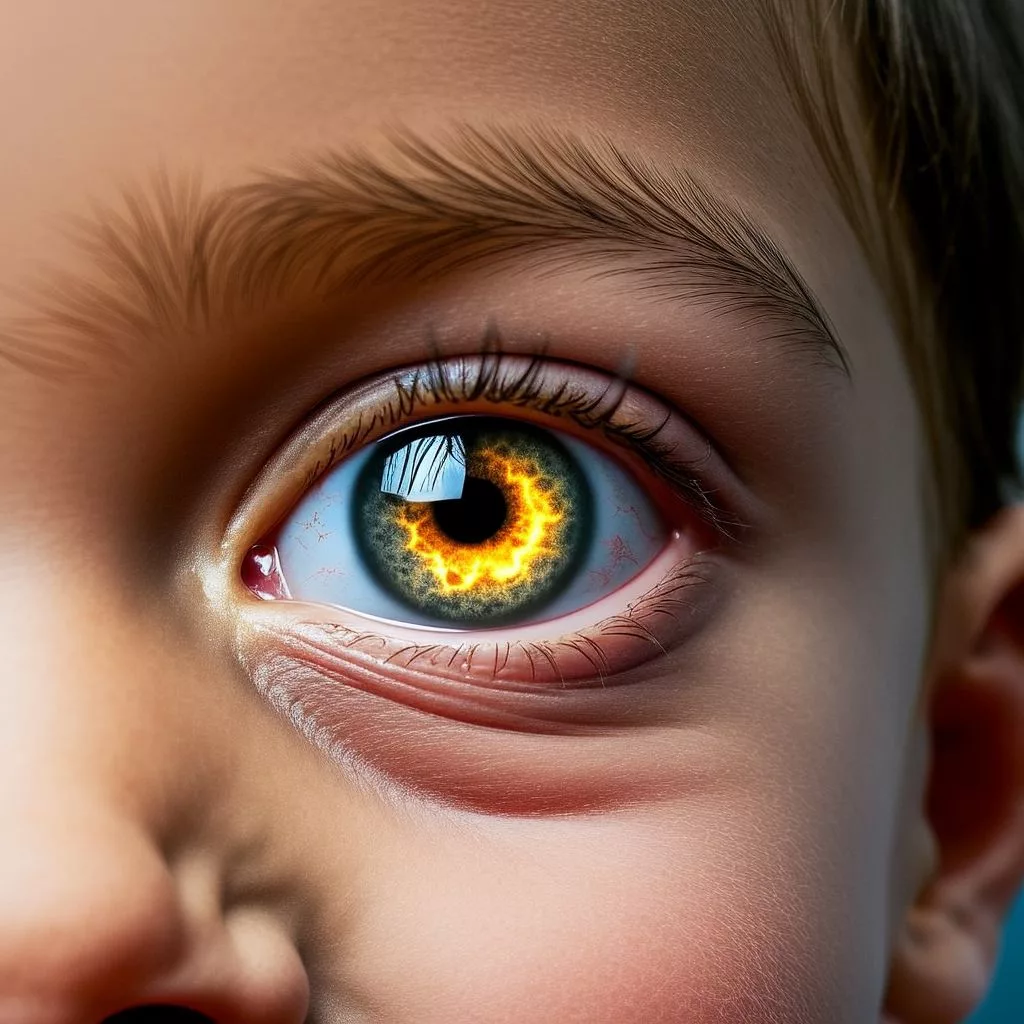
Michelle’s journey began seven months ago with her lively 16-month-old son, who suddenly developed what seemed to be a typical eye infection. Initially, it appeared to be a minor issue, one that could be easily treated with standard antibiotic drops. However, as time went on, the infection became more severe, leading the family into a medical journey no parent anticipates. Their visit to a specialist brought the alarming news that their young son had contracted a herpes virus, which had taken hold of his left eye. The disbelief in Michelle’s voice was palpable as she grappled with the diagnosis: a fever blister on the cornea was something she had never imagined possible.
The culprit, herpes simplex virus type 1 (HSV-1), is commonly known for causing cold sores. However, it made an unexpected transition from a simple skin lesion to the sensitive corneal surface of her child’s eye. This incident highlighted the aggressive nature of the virus and its potential to cause severe damage beyond its usual manifestations. Despite various medical interventions, including surgeries and numerous treatments, the damage to the boy’s vision and sensation in his left eye was irreversible. This harrowing experience emphasizes the urgent need for increased awareness and preventive measures against such infections.
The Call for Parental Vigilance
Michelle’s experience underscores an often overlooked aspect of childcare: the transmission of viruses through casual contact. Her story implores parents to be cautious about seemingly harmless actions, such as kissing babies, especially by individuals who might unknowingly carry the virus. She hopes her narrative will help other families avoid similar heartbreak, stressing that the trauma and damage caused by such a “silly virus” simply aren’t worth the risk.
Dr. Rethabile Khalema, a respected expert in maternal-fetal medicine and an obstetrician-gynecologist, offers a clinical perspective on the issue of herpes transmission. She explains that herpes, which refers to a group of viruses including herpes simplex, spreads primarily through contact with sores or the oral secretions of those infected. HSV-1, often associated with cold sores around the mouth, is a common culprit in these transmission dynamics.
Dr. Khalema points out the prolific nature of the virus and its significant impact on vulnerable populations, particularly infants, whose developing immune systems make them susceptible to severe infections. She clarifies the distinction between herpes simplex and its relative, herpes zoster, which is a reactivation of the varicella-zoster virus (responsible for chickenpox) and typically arises in immunocompromised individuals.
Lessons from the Past and Future Precautions
Michelle Saaiman’s personal story echoes broader historical and social contexts concerning disease and prevention. Throughout history, societies have faced the duality of illness and care, from the transformative impact of the bubonic plague on medieval public health to contemporary challenges posed by viral pandemics. While herpes may not be as catastrophic as some diseases, it serves as a microcosm of these enduring challenges, highlighting the delicate balance between human connection and the necessity for caution.
Art and literature have long depicted the intimate yet sometimes hazardous nature of human contact. During the Renaissance, artists like Albrecht Dürer illustrated complex tapestries of human emotion and suffering, often hinting at the unseen forces affecting their subjects’ lives. In today’s world, Michelle’s story forms a narrative of its own, imbued with themes of hope, fear, and resilience. Her testament invites reflection on the invisible threads of connection that bind us, fraught with risks but essential to our shared humanity.
The cautionary tale from Windhoek serves as both a personal testament and a communal call to action. It urges us to reconsider our daily actions and their potential consequences, promoting a culture of informed vigilance while avoiding paranoia. Her story, marked by personal loss and struggle, becomes an educational cornerstone, prompting a collective reevaluation of practices we might otherwise overlook.
A Mother’s Enduring Message
In the quiet aftermath of her son’s ordeal, Michelle Saaiman’s voice continues to resonate with the enduring cadence of a mother’s love and a protector’s determination. Her experience, although deeply personal, transcends geographic boundaries, touching the hearts of parents everywhere. It highlights the crucial role of awareness, education, and the profound connection between knowledge and prevention in safeguarding our most cherished ones.
Through her account, Michelle hopes to inspire a heightened sense of awareness and responsibility among parents, ensuring that her story serves as a valuable lesson. Her message is clear: by understanding and mitigating the risks associated with everyday interactions, we can better protect our children and foster a safer world for future generations.
FAQ: The Unseen Dangers of Herpes for Children
What is HSV-1 and how does it affect children?
HSV-1, or herpes simplex virus type 1, is a common virus often associated with cold sores. In children, it can lead to severe complications, especially if transmitted through casual contact like kissing. This virus can cause eye infections that may result in irreversible damage to vision, as highlighted by a mother’s experience in Windhoek, Namibia.
How did Michelle Saaiman’s son contract HSV-1?
Michelle Saaiman’s son contracted HSV-1 through what appeared to be a simple eye infection. Initially treatable with antibiotic drops, the situation escalated when it was revealed that the infection was caused by the herpes virus, leading to serious complications in his left eye.
What are the symptoms of a herpes infection in children?
Symptoms of a herpes infection can include fever blisters, eye irritation, redness, swelling, and discharge from the eye. In severe cases, children may experience significant pain and vision impairment, underscoring the need for prompt medical attention.
How can parents protect their children from HSV-1?
Parents can protect their children by practicing caution in everyday interactions. This includes avoiding kissing infants and young children on the mouth, particularly by individuals who may have cold sores or are unaware they carry the virus. Maintaining good hygiene and being aware of any visible sores can help minimize the risk of transmission.
What should I do if I suspect my child has a herpes infection?
If you suspect your child has a herpes infection, seek medical attention immediately. A healthcare professional can provide an accurate diagnosis and recommend appropriate treatment options to prevent complications.
What is the broader message of Michelle Saaiman’s story?
Michelle Saaiman’s story serves as a poignant reminder of the hidden dangers that may arise from everyday actions. It emphasizes the importance of awareness, vigilance, and education for parents to protect their children from unseen threats, ultimately fostering a safer environment for future generations.