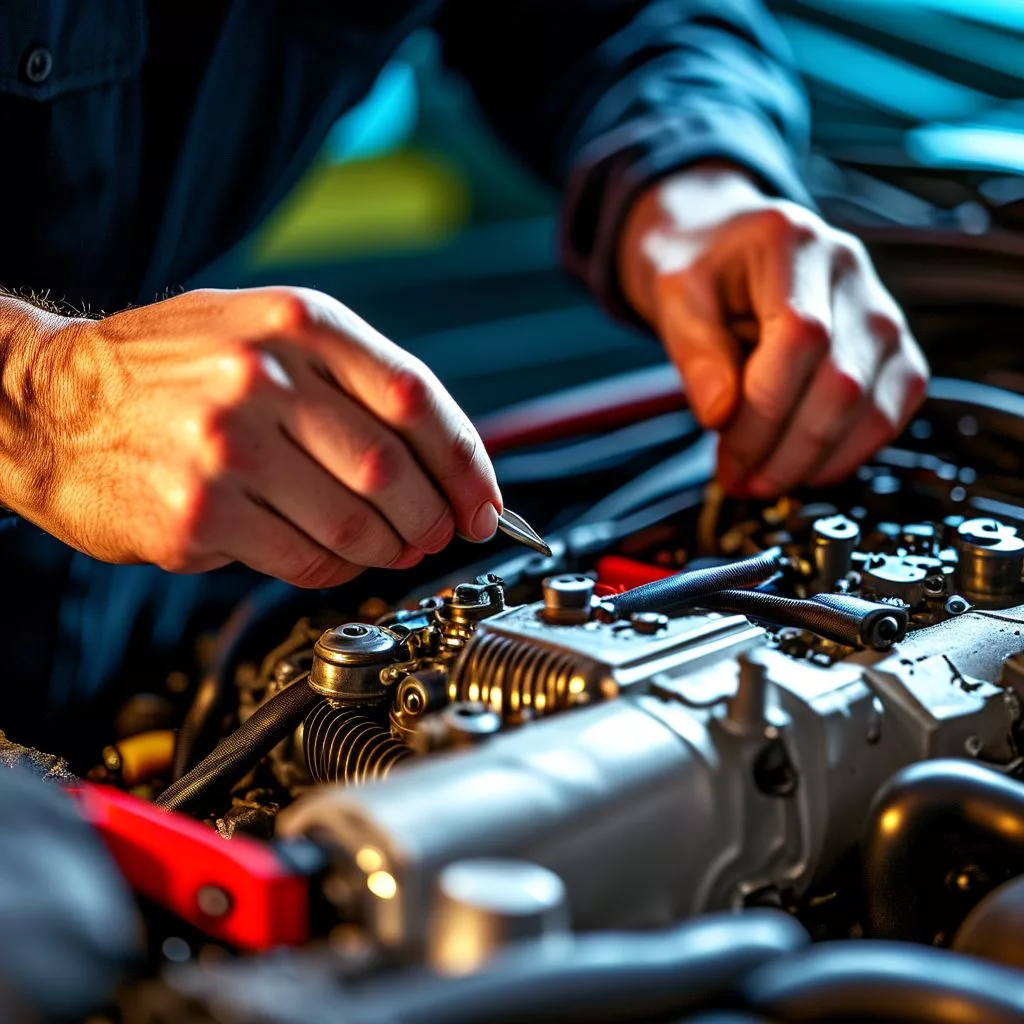
In Cape Town, three amazing women—Zetu Mase, Nasiefah Corker, and Nokanyo Xobololo—are changing the game in the automotive industry. As they finish their apprenticeships at the College of Cape Town, they prove that women can excel in a field often seen as only for men. Zetu’s passion for cars, Nasiefah’s hard work and resilience, and Nokanyo’s brave leap into a new career inspire others to follow their dreams. These pioneers are not just fixing cars; they are paving the way for future generations of women to shine in every corner of the automotive world.
Who are the pioneering women in Cape Town’s automotive industry?
Zetu Mase, Nasiefah Corker, and Nokanyo Xobololo are trailblazers in Cape Town’s automotive sector. As apprentices nearing completion at the College of Cape Town, they challenge stereotypes and inspire future generations, showcasing women’s valuable contributions in this traditionally male-dominated industry.
Celebrating Trailblazers on International Women’s Day
As global communities come together to celebrate International Women’s Day on March 8, we turn our focus to three inspirational women in Cape Town: Zetu Mase, Nasiefah Corker, and Nokanyo Xobololo. These exceptional individuals are on the brink of completing their Motor Mechanic Apprenticeships at the College of Cape Town, a journey they embarked on in March 2022. They are among a select group of 32 individuals chosen for a specialized program aimed at awarding an Automotive Motor Mechanic Occupational Certificate. Their achievements not only highlight their personal journeys but also serve as beacons of inspiration for other women venturing into traditionally male-dominated fields.
Zetu Mase, Nasiefah Corker, and Nokanyo Xobololo are challenging stereotypes and bringing new perspectives to the automotive sector. Mase passionately believes in the unique strengths that women contribute to the workshop. “When women enter this industry with passion, they bring dedication, attention to detail, and strong planning skills. I’ve seen it,” she asserts.
Zetu Mase: From Passion to Profession
Zetu Mase’s fascination with automobiles dates back to her youth. She recalls how her interest in various car models and brands evolved over time. “From a young age, I would note the different models and brands, recognizing similarities in designs and identifying those I liked. My interest grew into a passion, and after high school, I decided I wanted to learn more—not just about cars, but how to fix them,” she reflects. Her story underscores how early interests can shape career paths, reflecting a broader trend where hobbies transform into professions.
Mase’s journey into the world of automobiles has been fueled by her childhood curiosity, which blossomed into a professional commitment. This transition highlights the significant impact of nurturing early interests, demonstrating how they can steer future career choices.
Moreover, Zetu’s story is a testament to the power of pursuing one’s passions, even in fields where women are underrepresented. Her journey is a source of inspiration, encouraging other women to break barriers and follow their dreams in any industry.
Nasiefah Corker: From Watching to Doing
Nasiefah Corker’s love for automobiles began with childhood memories of helping her father with vehicle repairs. “All I did was watch, but I found it fascinating. When the chance to be an apprentice arose, I grabbed it with both hands,” she recalls. Her journey wasn’t without obstacles; the physical demands of the job initially posed challenges. However, she has learned resilience and hard work. “Sometimes, female apprentices are sidelined or given easier tasks. But if you work hard and prove yourself, you’ll gain trust and respect in the workshop,” Corker explains.
Corker’s determination to excel in a demanding environment demonstrates the importance of perseverance. Her story is a powerful reminder that hard work and dedication can overcome initial challenges, leading to respect and recognition in any field.
Nasiefah’s journey also highlights the importance of support and encouragement from family and mentors. Her early experiences with her father laid the groundwork for her passion, proving that external support can be pivotal in career development.
Nokanyo Xobololo: Guided to a New Path
Unlike Mase and Corker, Nokanyo Xobololo entered the automotive industry with little prior knowledge of vehicles. Her journey began with a suggestion from a lecturer, who recognized the job opportunities available in Motor Engineering and the industry’s growing appreciation for female mechanics. “A lecturer suggested I consider Motor Engineering because of the job opportunities available and the industry’s appreciation for female mechanics,” she shares. Xobololo’s story illustrates the importance of guidance and mentorship in career development, showing how external encouragement can lead to fulfilling career paths.
Xobololo’s entry into the automotive world underscores the significance of mentorship and guidance in shaping careers. Her experience highlights how external suggestions and support can open doors to new and rewarding opportunities.
Moreover, her story is a powerful example of how stepping out of one’s comfort zone and exploring new fields can lead to unexpected and fulfilling career paths. Nokanyo’s journey encourages others to be open to new possibilities and to seek guidance when needed.
The Broader Impact of Apprenticeships
The apprenticeships at the Centre of Specialisation extend beyond acquiring technical skills; they are also about gaining respect and recognition. Louis van Huyssteen, National Director Training for the Retail Motor Industry Organisation (RMI), emphasizes the importance of strong employer ties in these apprenticeships. “The genuine commitment of our employer members ensures that our apprentices not only develop technical expertise but also gain the respect of their peers and communities,” he states. This highlights the broader impact of such programs, fostering a sense of community and professional respect.
The automotive sector has historically been seen as a male-dominated field. However, women like Mase, Corker, and Xobololo are rewriting that narrative. The industrial revolution marked the beginning of the automotive era, but it was largely a male-dominated field. Over the years, women have made incremental progress, gradually breaking into various roles within the industry. The perception of mechanics as a male-dominated profession persists, but these three women are not just participating; they are excelling and redefining what it means to be a mechanic.
Reflecting Broader Societal Changes
Their journeys also reflect broader societal changes. The push for gender equality in the workforce has gained significant momentum over the past few decades. Movements advocating for women’s rights and equality, such as the Women’s Liberation Movement of the 1960s and 1970s, laid the groundwork for the opportunities available today. The stories of Mase, Corker, and Xobololo are testaments to the progress achieved and the work that remains.
In the realm of arts and culture, the representation of women has also shifted significantly. Early literature and films often depicted women in traditional roles, but contemporary narratives increasingly showcase women in diverse, empowered roles. This shift parallels the changes in real-world professions, where women are stepping into roles previously deemed unsuitable for them.
Moreover, the automotive sector itself is evolving. With the advent of electric vehicles and advancements in automotive technology, the industry is undergoing a transformation. This evolution opens new avenues for innovation and expertise, areas where women can and are making significant contributions. The narrative of women in the automotive industry is no longer about fitting into an existing mold but about shaping the future of the industry.
Paving the Way for Future Generations
As Mase, Corker, and Xobololo near the completion of their apprenticeships, they stand as pioneers, embodying the spirit of progress and breaking barriers. Their stories are not just about personal triumph but also about the collective advancement of women in industries traditionally dominated by men. Through their dedication and passion, they are paving the way for future generations of women mechanics, proving that with hard work and determination, anything is possible.
Their experiences also highlight the importance of support systems, be it through mentors, educational institutions, or industry bodies. The Centre of Specialisation and the RMI play crucial roles in providing the necessary infrastructure and opportunities for these women to excel. This collaborative effort is essential in fostering an inclusive and diverse workforce, one where talent and passion are the primary criteria for success.
In celebrating these women’s achievements, we also acknowledge the broader cultural and societal shifts that have made such stories possible. The road ahead may still be challenging, but with pioneers like Mase, Corker, and Xobololo leading the way, the future of the automotive industry looks brighter, more inclusive, and full of potential.
FAQ: Pioneering Women in Cape Town’s Automotive Industry
Who are the pioneering women in Cape Town’s automotive industry?
Zetu Mase, Nasiefah Corker, and Nokanyo Xobololo are trailblazers in Cape Town’s automotive sector. As they approach the end of their apprenticeships at the College of Cape Town, they challenge stereotypes and inspire future generations, showcasing the valuable contributions women can make in this traditionally male-dominated industry.
What achievements have these women accomplished in their apprenticeships?
The three women are completing their Motor Mechanic Apprenticeships at the College of Cape Town, a program they began in March 2022. They are part of a select group of 32 individuals chosen for a specialized program aimed at obtaining an Automotive Motor Mechanic Occupational Certificate, which highlights their dedication and skill in a challenging field.
How did Zetu Mase develop her passion for automobiles?
Zetu Mase’s fascination with cars began in her youth when she would observe different car models and brands. This early interest blossomed into a professional commitment after high school, as she sought to learn not just about cars but also how to fix them. Her story underscores the significance of nurturing early interests in shaping career paths.
What challenges has Nasiefah Corker faced during her apprenticeship?
Nasiefah Corker encountered physical demands and initial hurdles in her apprenticeship. She shared that sometimes female apprentices are given less demanding tasks, but through hard work and perseverance, she earned respect and trust within her workshop. Her journey emphasizes the importance of resilience in overcoming challenges in a male-dominated field.
How did Nokanyo Xobololo get into the automotive industry?
Nokanyo Xobololo entered the automotive industry with little prior knowledge of vehicles, inspired by a suggestion from a lecturer who highlighted the job opportunities in Motor Engineering. Her story illustrates the importance of mentorship and the value of exploring new career paths with guidance from others.
What broader societal changes are reflected in the journeys of these women?
The journeys of Mase, Corker, and Xobololo reflect broader societal changes towards gender equality in the workforce. Their achievements showcase the progress made by women in challenging traditional roles, highlighting ongoing movements for women’s rights and the increasing acceptance of women in diverse professions, including the automotive industry.