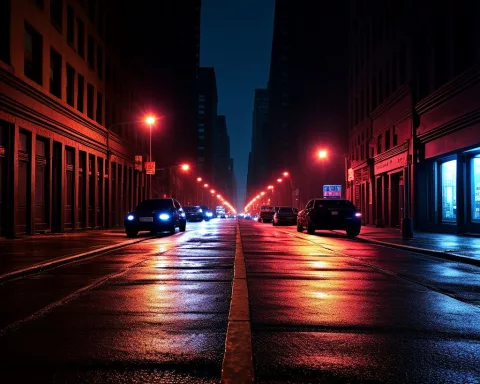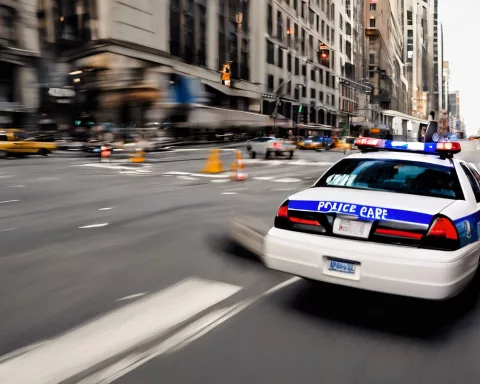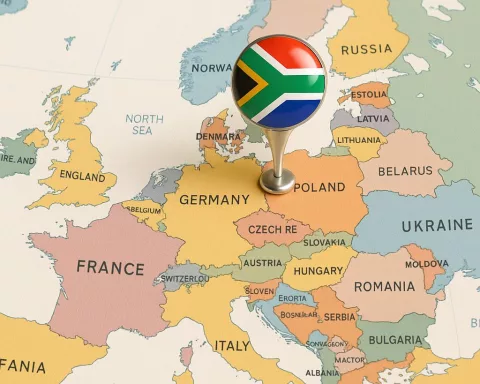

In Wellington, a peaceful town, a shocking assault at a BP garage turned a normal day into a nightmare. A petrol attendant was violently attacked by two men after simply asking them to move their car. This frightening event has left the community in fear and anger, especially after a video of the attack went viral on social media. Residents are now calling for justice and urging everyone to step up and support one another against violence. It’s a wake-up call for the town, reminding them of the importance of standing together and not remaining silent in the face of such cruelty.
What happened in the Wellington BP garage assault?
A brutal attack occurred at the Wellington BP garage, where a petrol attendant was assaulted by two men, aged 25 and 29. The incident escalated from a routine request to move a vehicle, raising concerns about community safety and bystander inaction. Charges include assault and crimen injuria.
A sudden surge of violence has jolted the tranquil town of Wellington, known for its peaceful landscapes and close-knit community. This shocking incident, involving a brutal attack on a petrol attendant by two men aged 25 and 29, has stirred deep concern among the locals. The severity of the charges against these two individuals goes beyond just an isolated act of violence; it highlights a more concerning societal issue of bystander inertia.
An Ordinary Scenario Turns Nightmarish
The incident began in an ordinary manner. A white Golf arrived at the BP garage, and the attendant requested the driver to relocate to the parking area. What should have been a straightforward task quickly escalated into chaos. The driver, accompanied by a friend, responded with a string of expletives, and the situation rapidly became violent. The men launched a vicious assault on the attendant, leaving him defenseless. According to police spokesperson Anelisiwe Manyana, the accused face charges that include assault with intent to cause grievous bodily harm and crimen injuria.
Such violent episodes in public spaces create ripples throughout the community, leaving residents dealing with feelings of fear and anger. The assault on the petrol attendant is far from an isolated event. A bystander filmed the attack and shared it on social media, bringing the horrific incident to the public eye. The video displays the attackers brutally beating the attendant, identified as a resident of Mbekweni. This graphic footage has sparked widespread indignation and demands for justice.
Social Media Amplifies Outrage and Bystander Effect
The role of social media in shedding light on societal issues is undeniable. The video of the Wellington assault has led to widespread condemnation and calls for accountability. Many have criticized those who stood by and watched the violence unfold without intervening. This phenomenon, known as the bystander effect, is a well-documented concept in social psychology. It describes the tendency of people to remain passive in emergency situations, often under the false assumption that someone else will step in.
Community accountability groups, such as Thembokwezi Crime Watch, have vehemently denounced the violence. In an impassioned Facebook post, they demanded that the perpetrators be brought to justice. They emphasized the severity of the attack, noting that the attackers could have potentially killed the attendant. Their statement highlights the necessity for communities to stand together against such acts of violence.
Thembokwezi Crime Watch also urged the South African Police Service (SAPS) Western Cape General Thembisile Patekile to take decisive action. They called on the Provincial MEC of Safety, Anroux Marias, to address the rising tide of violence. Their plea underscores a broader narrative of community empowerment and collective responsibility.
Community Mobilization and Historical Parallels
Ashley Rix, another concerned resident, shared the footage and emphasized the importance of raising awareness. She encouraged anyone with additional information about the incident to come forward. Her call to action underscores the critical role community members play in ensuring justice.
Historically, both societal and artistic movements have grappled with themes of violence and community. The Romantic era often depicted the individual’s struggle against societal forces, while postmodernism questioned the very structures of power and responsibility. These movements remind us that violence is not merely a physical act but also a social and cultural one.
The incident in Wellington serves as a stark reminder of the ongoing effort needed to combat violence and foster a culture of empathy and intervention. It calls on us to reflect on our roles as community members and to consider how we can break the cycle of bystander apathy.
Drawing parallels to other historical moments where communities rallied against injustice can be enlightening. The Civil Rights Movement in the United States, for instance, saw ordinary citizens standing together to demand change. Similarly, in South Africa, the anti-apartheid movement mobilized people from all walks of life to fight for equality and justice. These historical precedents highlight the power of collective action in driving social change.
Artistic Reflections on Violence and Justice
Artistic depictions of violence and justice offer a unique perspective on the Wellington incident. From Francisco Goya’s harrowing “The Third of May 1808” to Pablo Picasso’s “Guernica,” artists have long illustrated the brutality of violence and the resilience of the human spirit. These works remind us of the enduring struggle against oppression and the necessity of solidarity in the face of adversity.
Philosophers like Hannah Arendt have also explored the nature of violence and power. Arendt argued that violence can never create power; it can only destroy it. Her insights challenge us to consider the true implications of violent acts and the importance of fostering genuine power through community and collaboration.
Addressing the violence seen in Wellington requires a multifaceted approach. Law enforcement and legal measures are crucial, but so are community initiatives that promote dialogue, education, and intervention. By drawing on historical lessons and artistic reflections, we can better understand the complexities of violence and work towards creating safer, more compassionate communities.
The assault on the petrol attendant in Wellington is a sobering reminder of the violence that continues to plague our society. It calls for both immediate action and long-term strategies to address the root causes of such behavior. Through community solidarity, historical awareness, and a commitment to justice, we can strive to prevent future incidents and build a more empathetic and proactive society.
In reflecting on this incident, we are reminded of the critical importance of collective action and the role each individual plays in fostering a safe and just community. By learning from past struggles and embracing the power of unity, we can work towards a future where violence and bystander apathy are relics of the past.
“`markdown
What happened in the Wellington BP garage assault?
A brutal attack occurred at the Wellington BP garage when a petrol attendant was assaulted by two men, aged 25 and 29, after he asked them to move their vehicle. The situation escalated quickly, resulting in severe violence against the attendant. The attackers now face charges that include assault with intent to cause grievous bodily harm and crimen injuria.
How did the community react to the assault?
The incident has sparked fear and anger among Wellington’s residents, prompting widespread condemnation of the violence. Community members have called for justice and accountability, emphasizing the need for solidarity against acts of aggression. Various accountability groups, such as Thembokwezi Crime Watch, have urged local authorities to take decisive action against the perpetrators.
What role did social media play in this incident?
Social media played a significant role in amplifying outrage surrounding the assault. A video of the attack went viral, leading to public outcry and demands for accountability. This incident has raised awareness about the bystander effect, where individuals often remain passive during emergencies, assuming someone else will intervene.
What actions are being taken to address the violence?
Community groups are mobilizing to raise awareness and encourage residents to come forward with any information regarding the incident. They are also calling on local authorities, including the South African Police Service, to take firm action against violence in the community. Thembokwezi Crime Watch has highlighted the importance of community accountability in combating such aggression.
How does this incident relate to broader societal issues?
The attack in Wellington sheds light on deeper societal issues, such as bystander apathy and the normalization of violence in public spaces. It serves as a reminder of the need for collective responsibility and proactive community engagement to address such behaviors. Historical parallels can be drawn to movements that have fought against injustice and violence, emphasizing the importance of solidarity.
What can individuals do to prevent similar incidents in the future?
Individuals can play a crucial role in preventing violence by fostering a culture of empathy and intervention within their communities. This includes speaking out against violence, supporting victims, and actively choosing to intervene when witnessing aggression. By learning from historical examples and promoting community dialogue, residents can work together to create a safer environment for all.
“`