
On a fishing trip off the coast of Hermanus, a father and three teenagers faced a terrifying ordeal when their boat capsized in icy waters. For over seven hours, they clung to the boat, battling cold and fear, until local anglers spotted them and alerted the National Sea Rescue Institute (NSRI). The rescuers swiftly arrived, pulling the tired group from the sea and providing urgent care. Thanks to their bravery and quick thinking, all four were rescued and are now on the road to recovery, a shining example of hope and courage in the face of danger.
What happened during the heroic rescue at Hermanus?
On a fishing trip, a father and three teenagers were thrown into icy waters when their boat capsized. After hours of clinging to the hull, local anglers spotted them and alerted the National Sea Rescue Institute (NSRI), who swiftly rescued all four, ensuring their safe recovery.
A Day of Leisure Turns to Peril
The tranquil waters off the coast of Hermanus, South Africa, can sometimes transform into a perilous trap. On a seemingly typical Saturday afternoon, a critical incident unfolded that showcased the unwavering bravery and dedication of the National Sea Rescue Institute (NSRI). This story, steeped in anxiety and relief, highlights human strength and nature’s formidable power.
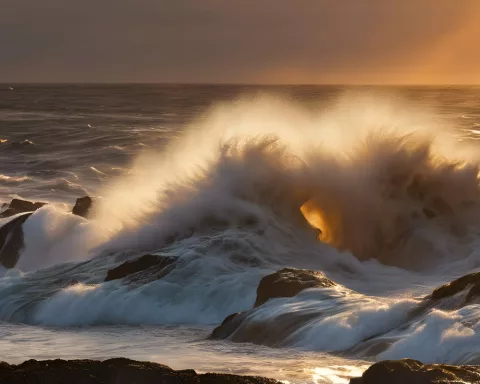
The day began promisingly for a 49-year-old father and his teenage son from Somerset West, accompanied by two of the son’s teenage friends from Stellenbosch. They set off from Hawston in their small cabin ski-boat for what was meant to be a leisurely fishing trip. However, their peaceful adventure took an unexpected turn when a rogue wave capsized their vessel around 5:30 AM. This sudden upheaval hurled the four passengers into the icy, unrelenting waters, just 100 meters from the shore.
As the boat overturned, chaos ensued. The father, overwhelmed with fear, initially thought he had lost his son forever when the teenager disappeared beneath the capsized boat. Moments later, the boy resurfaced, disoriented and likely concussed from a head injury. The dense fog, a common feature along the South African coastline, further compounded their distress by rendering them nearly invisible to the outside world. For over seven excruciating hours, the group clung to the hull of their overturned vessel, battling hypothermia and the creeping fear that rescue might not arrive in time.
The Turning Point: A Glimpse of Hope
Fortune eventually smiled upon them as the fog lifted, revealing their dire situation to local anglers on the shore. These vigilant anglers immediately alerted the NSRI. By 12:40 PM, the NSRI Hermanus duty crew received multiple eyewitness reports about an overturned boat with people clinging to its hull. The rescuers, who were returning from a routine training exercise, swiftly redirected their efforts to the emergency.
Upon reaching the scene, the NSRI team found the four individuals in a critical state. The teenage son, slipping in and out of consciousness, and his injured father were both in dire condition. The other teenagers, battling the numbing cold, had managed to survive but were in desperate need of medical attention. The rescuers acted with precision and urgency, bringing all four aboard their rescue craft and administering immediate treatment for hypothermia.
As the rescue craft navigated back to the NSRI base, a sense of relief began to replace the tension that had gripped everyone involved. EMS paramedics awaited their arrival, ready to transport the survivors to the hospital. The swift response and expert care ensured that all four individuals, though in serious condition, were on the road to recovery. The hospital later confirmed that they were expected to make a full recovery, a testament to both their resilience and the proficiency of their rescuers.
Reflections on a Near-Tragedy
Jean le Roux, the duty coxswain for NSRI Hermanus, later recounted the ordeal with a sense of gravitas and admiration. According to Le Roux, the group’s decision to stay with their capsized boat played a crucial role in their survival. This adherence to maritime safety protocols, coupled with the quick-thinking actions of the local anglers, facilitated a successful rescue operation. Such events underscore the importance of community vigilance and the effectiveness of well-coordinated rescue efforts.
The aftermath of the rescue saw the NSRI team returning to the scene to recover the capsized boat, which they towed to Hermanus Harbour and placed back on its trailer. In a gesture of thoroughness and compassion, the NSRI also ensured the family’s vehicle was collected and delivered to the hospital. These actions, though routine for the NSRI, reflect a deep-seated commitment to not just saving lives but also supporting those affected through the aftermath of such traumatic events.
A Poignant Reminder and a Beacon of Hope
The families involved, on a weekend vacation break to Hermanus, have requested privacy as they recover from the ordeal. Their experience serves as a poignant reminder of the unpredictability of the sea and the ever-present risk that accompanies maritime activities. Yet, it also highlights the extraordinary heroism of those who dedicate their lives to sea rescue operations.
The NSRI, born from the noble tradition of maritime rescue, embodies the values of courage, dedication, and community spirit. Their actions on this fateful Saturday are not just a demonstration of technical skill and readiness but also a profound expression of humanity in the face of adversity. The successful rescue off the coast of Hermanus thus becomes more than just a newsworthy event; it is a narrative of hope, resilience, and the enduring human spirit.
In the grand scheme of things, this story is a testament to the NSRI’s mission and the community’s unyielding spirit. It serves as a beacon of hope, reminding us all of the incredible strength and bravery that can emerge in the face of danger. The waters off Hermanus may be serene and treacherous, but with guardians like the NSRI, they also hold stories of survival and heroism worth telling.
FAQ: Heroic Rescue at Hermanus
What led to the capsizing of the boat during the fishing trip?
The boat capsized due to a rogue wave that struck unexpectedly while the father and three teenagers were fishing off the coast of Hermanus, South Africa. This sudden upheaval threw them into icy waters just 100 meters from the shore.
How long did the group remain in the water before being rescued?
The father and teenagers clung to the hull of their capsized boat for over seven hours, battling cold and fear before local anglers spotted them and alerted the National Sea Rescue Institute (NSRI).
What actions did the NSRI take during the rescue?
Upon receiving reports of the overturned boat, the NSRI quickly redirected their efforts from a training exercise to the rescue operation. They reached the scene, brought the four individuals aboard their rescue craft, and provided immediate medical treatment for hypothermia before transporting them back to the NSRI base where EMS paramedics were waiting.
What condition were the survivors in when they were rescued?
The survivors were found in a critical state. The teenage son was slipping in and out of consciousness due to hypothermia, while his father was injured. The other teenagers had also survived but needed urgent medical attention. Fortunately, all four individuals were expected to make a full recovery.
How did community involvement play a role in the rescue?
Local anglers played a crucial role in the rescue by spotting the capsized boat and immediately alerting the NSRI. Their quick thinking and vigilance helped ensure that the rescue operation was initiated in a timely manner.
What steps did the NSRI take after the rescue?
After successfully rescuing the individuals, the NSRI returned to recover the capsized boat, towing it to Hermanus Harbour. They also ensured the family’s vehicle was collected and delivered to the hospital, demonstrating their commitment to supporting those affected by such traumatic events.