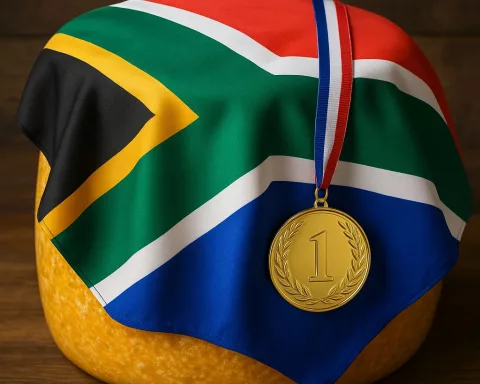
Kirsty Coventry has made history by becoming the first woman and the first African to lead the International Olympic Committee (IOC). At just 41 years old, she brings a powerful vision of fairness and inclusivity to the Olympics, inspiring young athletes everywhere. As a former Olympic champion, she understands both the joys and challenges of sports, and she is ready to tackle tough issues like gender equality and the participation of athletes from different countries. Coventry’s leadership promises a brighter future for the Olympic movement, with hopes of bringing the Summer Olympics to Africa for the first time. Her journey reminds us that with hard work and determination, anything is possible.
What does Kirsty Coventry’s election mean for the International Olympic Committee (IOC)?
Kirsty Coventry’s election as the IOC president marks a historic milestone as the first woman and first African to hold the position. Her leadership promises enhanced gender equality, inclusivity, and the potential for Africa to host the Summer Olympics, inspiring future generations of athletes worldwide.
A Historic Milestone for the IOC
The election of Kirsty Coventry as the president of the International Olympic Committee (IOC) signifies a groundbreaking moment, not just for the organization but also for gender and geographic representation. At 41 years old, Coventry becomes the first woman and the first African to ascend to this prominent position. This achievement is a source of immense pride for Zimbabwe and the entire African continent, offering a beacon of inspiration for young athletes worldwide.
Coventry’s journey to the presidency is a blend of distinguished athletic accomplishments and dedicated administrative prowess. Her election is remarkable, especially considering the formidable opponents she faced, including Juan Antonio Samaranch Junior and Sebastian Coe, the head of World Athletics. Winning in the first round of voting underscores her widespread appeal and the confidence over 100 IOC members have in her leadership.
After her victory, Coventry expressed her excitement, stating, “This is an extraordinary moment. As a nine-year-old girl, I never thought I would be standing up here one day, getting to give back to this incredible movement of ours.” These words struck a chord with many, particularly young athletes who view her as a role model who has successfully overcome numerous challenges.
From Olympic Champion to Influential Leader
Born in Harare, Zimbabwe, Coventry’s athletic talent became evident early in her life. She gained international recognition at the 2004 and 2008 Olympic Games, where she won gold medals in the 200-meter backstroke. Her overall medal haul includes four silver and one bronze, making her the most decorated African female Olympian. Only Ethiopian long-distance runner Tirunesh Dibaba surpasses her in terms of Olympic success among African athletes.
Transitioning from the swimming pool to the political arena, Coventry’s career has been equally impressive. Since 2018, she has served as Zimbabwe’s Minister of Sport, a role that has undoubtedly equipped her to handle the complex issues she will encounter as IOC president. Her tenure on the IOC Athletes’ Commission and later the IOC Executive Board provided her with a comprehensive understanding of the organization’s inner workings.
Reflecting on her political journey, Coventry noted, “I definitely have a thicker skin than I used to as an athlete.” This resilience will be vital as she addresses the numerous challenges ahead. One of the contentious issues she will face is the inclusion of transgender athletes in women’s sports. Although she has not yet taken a definitive stance, she acknowledges the importance of finding a solution. “I think that we as the IOC have to take a little bit more of a leadership role,” she said.
Navigating Complex Challenges
Coventry also has to deal with the participation of Russian and Belarusian athletes amidst ongoing geopolitical conflicts. She emphasized the importance of allowing all athletes to compete while recognizing the nuanced nature of each situation. Drawing from her own experiences representing Zimbabwe during times of political upheaval and international sanctions, she empathized with athletes affected by their countries’ political actions. “It could have been very easy for the international community to not allow us to take part,” she remarked, contemplating how different her life might have been had she been banned from competing.
Balancing her professional responsibilities, Coventry also embraces her role as a mother. Having recently welcomed her second daughter and already having a six-year-old child, her family leads a dynamic lifestyle. She shared an anecdote: “By the time she was one year old, she had already been to 10 different countries around the world.” She credits her supportive husband and network for helping her juggle motherhood with her demanding career.
Coventry’s presidency begins on June 24, 2025, and she has already emphasized her commitment to gender equality in sports. “We still have a lot of work to do, and I am excited about leading this movement,” she declared. Her vision includes pushing through existing barriers to ensure future generations, including her daughters, encounter fewer obstacles.
A Vision for the Future
Coventry’s election also raises hopes for the possibility of Africa hosting the Summer Olympics for the first time. While South Africa and Egypt have expressed interest, she stresses the importance of meticulous planning. “The interest is there, and now we need to ensure that we’re working closely with all of these countries so they fully understand the magnitude of the Olympic Games,” she noted in a Q&A session with the Association of International Sports Journalists (AIPS). She advocates for using the All Africa Games as a stepping stone to build the necessary infrastructure for an Olympic bid.
Coventry stands as a transformative figure in the sports world, embodying dedication, resilience, and visionary leadership. Her presidency represents a significant shift for the IOC, promising to infuse the organization with a fresh perspective and a drive for inclusivity and equality. As she prepares to assume her new role, the global sports community watches with anticipation, hopeful that her tenure will usher in a new era for the Olympic movement.
Kirsty Coventry’s journey from an Olympic champion to the IOC presidency is a testament to her unwavering commitment and exceptional leadership. Her historic election not only breaks new ground for the IOC but also inspires countless individuals around the world. As she takes on this pivotal role, Coventry is poised to leave an indelible mark on the world of sports, championing the values of inclusivity, equality, and excellence. The future of the Olympic movement shines brighter with her at the helm, promising a legacy of positive change and progress.
FAQ about Kirsty Coventry’s Leadership in the IOC
What does Kirsty Coventry’s election mean for the International Olympic Committee (IOC)?
Kirsty Coventry’s election as the IOC president marks a historic milestone as the first woman and first African to hold the position. Her leadership is expected to enhance gender equality, inclusivity, and open the door for Africa to potentially host the Summer Olympics, inspiring future generations of athletes worldwide.
How did Coventry’s athletic background contribute to her leadership role?
Coventry’s experience as an Olympic champion, where she won multiple medals including gold in the 200-meter backstroke, provides her with a deep understanding of the challenges athletes face. Her background equips her to advocate effectively for the needs and rights of athletes as she navigates complex issues within the IOC.
What challenges does Coventry aim to address during her presidency?
Coventry intends to tackle significant challenges such as gender equality in sports, the inclusion of transgender athletes, and the participation of Russian and Belarusian athletes amid geopolitical issues. Her leadership style emphasizes finding solutions while ensuring fairness and inclusivity for all athletes.
What are Coventry’s visions for the future of the Olympics?
Coventry envisions a future where the Summer Olympics could be hosted in Africa for the first time, emphasizing the need for meticulous planning and collaboration with interested countries. She also aims to address barriers faced by women in sports and improve overall inclusivity within the Olympic movement.
How has Coventry balanced her responsibilities as a leader and a mother?
Coventry embraces her role as a mother while managing her demanding career. With two daughters, she shares that her family travels extensively, attributing her ability to juggle motherhood and leadership to her supportive network at home. This dual role informs her perspective on gender equality and family involvement in sports.
When does Coventry officially begin her presidency, and what are her immediate goals?
Kirsty Coventry’s presidency officially begins on June 24, 2025. Her immediate goals include advocating for gender equality in sports, enhancing the representation of diverse athletes, and preparing for the possibility of the Summer Olympics being hosted in Africa. She is committed to ensuring that future generations of athletes face fewer barriers in their careers.