
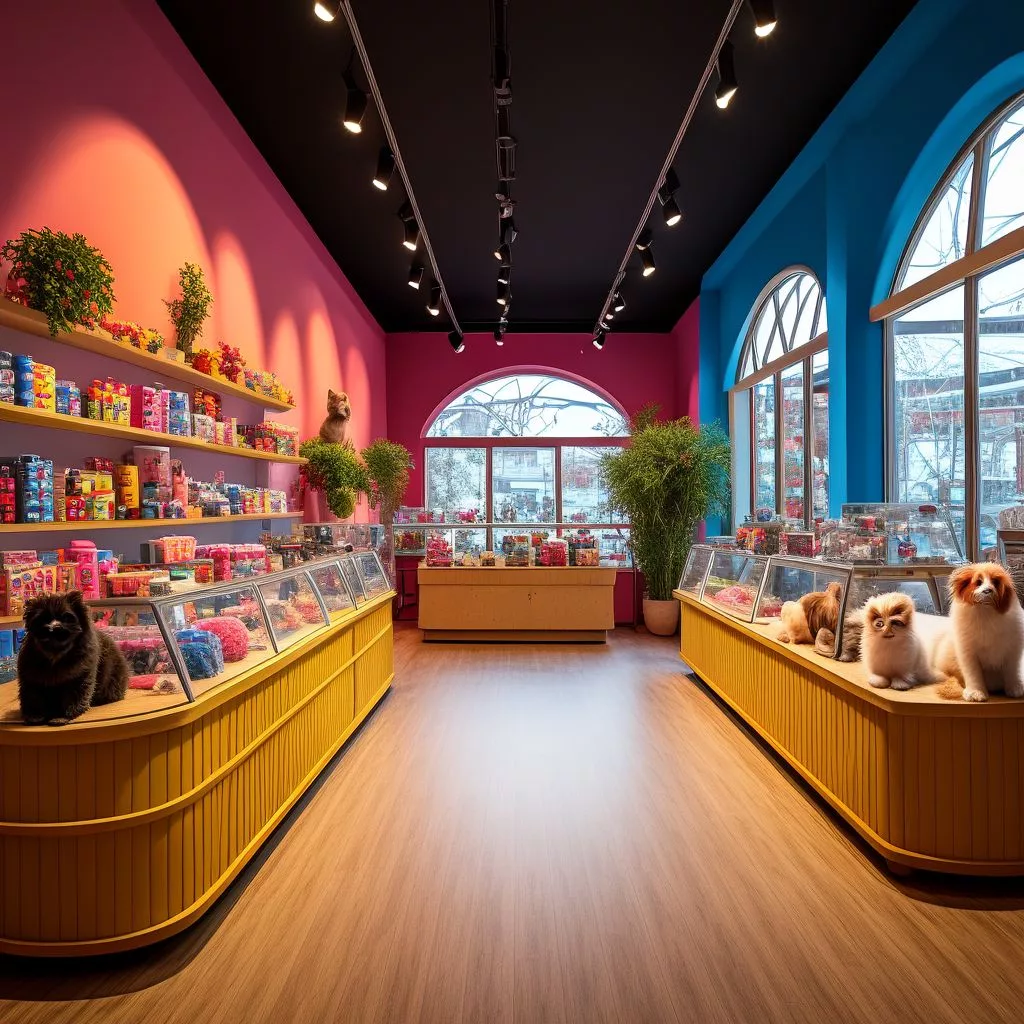
During Ramadan, supporting small businesses brings us closer together as a community. These local treasures, like family-run shops and friendly markets, provide unique products and personal connections that make shopping special. For example, visiting my local pet store feels like chatting with friends, not just a transaction. Unlike big chains, which often feel cold and distant, small businesses offer the warmth and familiarity that enrich our neighborhoods. By choosing to shop local, we not only celebrate these local gems but also help our communities grow and thrive.
Why should we support small businesses during Ramadan?
Supporting small businesses during Ramadan fosters community ties, provides personalized service, and enhances shopping experiences. These local gems, like family-run shops and informal markets, offer unique products and meaningful interactions, making each purchase feel rewarding and contributing to a vibrant neighborhood.
The Heartbeat of Our Communities
Small, independently-owned businesses have always captured my admiration. Their unique charm and resilience are unmatched, and during Ramadan—a time of reflection and community—I found myself with a renewed appreciation for these local gems. Gasant Abarder’s recent narrative perfectly encapsulates a sentiment many of us share: the unparalleled joy and worth of choosing small businesses over the impersonal giants of retail.
Take my local pet store, Pet Aquaria, for example. Located on Imam Haron Road in Claremont, this family-run establishment is a sanctuary for pet owners. With huskies that have specific dietary needs, I frequent this store often. Every visit starts with a warm, familiar greeting, often accompanied by, “The usual for you?” The owner’s ability to remember each customer’s preferences is heartwarming. They know your name, your pets’ needs, and they even hand out lollipops to the kids, sometimes including a discount. Such personalized service is a rarity in today’s retail environment.
In stark contrast, visits to large chain stores feel mechanical and detached. Each transaction is devoid of any meaningful human interaction. The robotic “How are you?” and “Enjoy your day” from cashiers highlight the growing disconnection in our shopping experiences. This is a far cry from the sense of belonging and community that small businesses cultivate.
The Personal Touch Matters
Shoukut’s Meat Market in Crawford is another beacon of community spirit. The butchers there know exactly how I like my half lamb cut. Our interactions are often peppered with friendly football banter, adding a personal touch to my shopping. The ladies behind the counter inquire about my family, making each visit feel less like a chore and more like catching up with friends.
Similarly, Solly M Sports at Access Park in Kenilworth offers more than just products; they offer a memorable experience. Their in-house brand, Fury, supplies football boots and shinguards for my Re-Boot charity, which helps kids in need of sports gear. Their unbeatable prices and top-notch service make every purchase feel like a contribution to a greater cause—a community effort to support local talent and entrepreneurship.
Even essential services benefit from the personal touch. Extreme Pharmacist on Imam Haron Road always has my prescription ready when I walk in, despite their busyness. They greet me with a smile and engage in a friendly chat, transforming a routine errand into a pleasant experience. These small interactions foster a sense of belonging that large retail chains simply cannot match.
The Contrast of Large Retail Chains
Large retail chains, on the other hand, seem to widen the gap between consumers and businesses daily. The rising cost of living has forced many of us to make tough choices, often resulting in smaller hauls with bigger price tags. The lack of personalized service in these mega-stores makes the experience feel even more transactional and impersonal.
During Ramadan, I made a conscious effort to explore informal markets and support local entrepreneurs. These markets, buzzing with innovation and pride, offer a refreshing alternative to the monotony of big retail chains. Conversations with passionate vendors often lead to discoveries of high-quality goods, such as fresh nuts and organic skincare products, at a fraction of the cost found in larger stores.
Food, an essential part of Ramadan celebrations, also underscores the value of supporting small businesses. Independent food trucks and stores offer handmade, quality meals that always hit the spot. One such food truck, Salt ‘n Pepa at Access Park, serves an irresistible 200g rib-eye steak on a bed of chips with chimichurri sauce for just R160. This delicious and affordable meal proves that good food doesn’t have to come with a hefty price tag.
The Rewards of Supporting Local
While it’s true that not every small business consistently offers excellent experiences, any occasional disappointment pales compared to the anonymity and detachment of large franchises. Even when the service or product falls short, supporting a local business feels far more rewarding than being just another customer at a big chain.
This Ramadan, my commitment to supporting small businesses solidified into a personal campaign. I urge everyone to recognize the immense value these businesses bring to our communities. Their ability to offer personalized and meaningful experiences starkly contrasts with the transactional nature of large retail chains. By choosing to support them, we not only help preserve the unique character of our neighborhoods but also send a clear message to the monopolies dominating the retail sector: we have options.
In the spirit of Ramadan and beyond, let’s make a conscious effort to support local businesses. Their success contributes to a vibrant, interconnected community, enriching our lives far beyond the simple act of purchasing goods. By doing so, we ensure that these community pillars continue to thrive, offering warmth, familiarity, and a sense of belonging in an increasingly impersonal world.
“`markdown
Why is it important to support small businesses during Ramadan?
Supporting small businesses during Ramadan helps to strengthen community ties and fosters personalized service. These local establishments provide unique products and meaningful interactions, making each shopping experience feel rewarding and contributing to a vibrant neighborhood.
How do small businesses enhance our shopping experiences?
Small businesses often offer a personal touch that large retail chains lack. From remembering customer preferences to engaging in friendly conversations, small business owners create a welcoming and familiar atmosphere that transforms shopping into a more enjoyable experience.
Can you provide examples of local businesses that exemplify this spirit?
Absolutely! For instance, Pet Aquaria in Claremont is known for its warm service and personalized interactions, while Shoukut’s Meat Market in Crawford makes shopping feel like a friendly catch-up. Similarly, Solly M Sports at Access Park supports community initiatives, and Extreme Pharmacist consistently provides exceptional service during routine visits.
What are the downsides of shopping at large retail chains?
Large retail chains often create a sense of disconnection with customers, leading to mechanical and impersonal transactions. The lack of personalized service can make shopping feel more like a chore, contributing to a growing gap between consumers and businesses.
How can informal markets contribute to the local economy during Ramadan?
Informal markets provide a refreshing alternative to big retail chains, showcasing local entrepreneurs and innovative products. They often feature high-quality goods at competitive prices, fostering community pride and supporting local talent, especially during the festive season of Ramadan.
What are the broader benefits of supporting small businesses beyond Ramadan?
Supporting small businesses enriches our communities by preserving their unique character, creating job opportunities, and promoting local entrepreneurship. This conscious choice sends a strong message to large corporations that we value personal connections and community engagement, ensuring that local businesses can thrive in the long run.
“`