
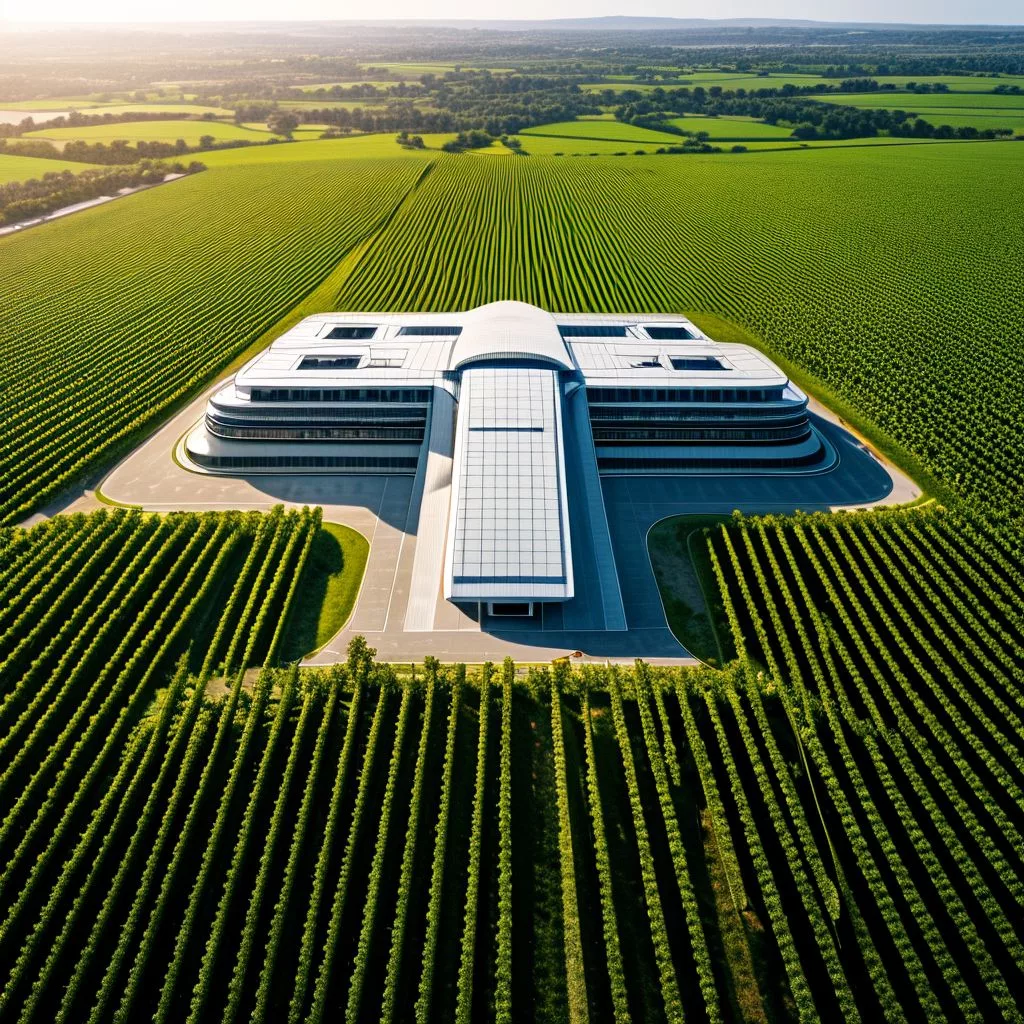
Cape Winelands Airport, opening in 2028, is set to change the way people travel to Cape Town. This exciting new airport will welcome 5.2 million passengers each year, offering fun experiences like wine tastings and stunning views of the beautiful Cape Winelands. With a strong focus on sustainability, it will use renewable energy and eco-friendly practices to protect the environment. Travelers can look forward to delicious local food, unique shops, and a vibrant atmosphere that celebrates the region’s rich culture. The airport aims to boost the local economy while making every journey a memorable adventure!
What is the Cape Winelands Airport and its significance?
The Cape Winelands Airport, opening in 2028, will enhance travel to Cape Town by blending convenience with sustainability. It aims to support 5.2 million annual passengers, offer unique amenities like wine tastings, and drive economic growth while minimizing its ecological footprint.
A New Era in Cape Town’s Aviation
As the calendar inches closer to 2028, travelers eyeing Cape Town for their next adventure should prepare for a significant upgrade in their journey. The introduction of the Cape Winelands Airport is set to elevate the travel experience for both international tourists and South African vacationers. Cape Town, renowned for its scenic beauty and cultural richness, will soon host this new aviation hub, blending convenience with a strong commitment to environmental sustainability.
The story of the Cape Winelands Airport begins during World War II. Established as the Fisantekraal Airfield in 1943, it initially served as a base for the South African Air Force. For several decades, it played a critical role until its decommissioning in 1993, when it transitioned into private ownership. Today, the rebranded Cape Winelands Airport aims to shed its military past and emerge as a vibrant center for commercial aviation, poised to cater to the growing demands of modern travelers.
Sustainability at the Core
Cape Winelands Airport’s design and operational plans are rooted in sustainability. The project aims to integrate renewable energy sources, efficient waste management systems, and water conservation techniques. These initiatives align with a global trend towards environmentally friendly infrastructure, ensuring that the airport minimizes its ecological footprint. By focusing on composting, recycling, and achieving self-sufficiency in energy and water, the airport intends to protect the natural allure of the Cape Winelands.
This green approach not only benefits the environment but also sets the airport apart as a forward-thinking travel hub. The commitment to eco-friendly practices resonates with the increasing number of travelers who prioritize sustainability in their journeys. The Cape Winelands Airport stands as a testament to how modern infrastructure can harmonize with ecological responsibility, paving the way for future developments in the aviation industry.
Enhancing the Travel Experience
While sustainability forms the backbone of the Cape Winelands Airport, its amenities promise to significantly enhance the travel experience. Beyond the standard facilities like a conference center and a hotel, the airport plans to offer unique attractions that celebrate the region’s rich cultural and natural heritage. Travelers can look forward to wine tastings and vineyard tours, taking advantage of the airport’s proximity to some of South Africa’s most prestigious wineries.
For those facing layovers, the airport strives to turn waiting time into an enjoyable experience. A diverse selection of restaurants will feature both local and international cuisines, offering a culinary journey that reflects the vibrant culture of Cape Town. Additionally, boutique stores and outlets will provide a curated shopping experience, allowing travelers to pick up unique souvenirs and gifts.
BusinessTech highlights these features as part of the airport’s strategy to provide an immersive and enjoyable environment for passengers. By transforming the airport into a destination in itself, the Cape Winelands Airport aims to make every traveler’s journey memorable from start to finish.
Economic and Cultural Impact
The new airport is projected to handle an impressive 5.2 million passengers annually, a figure that underscores its potential to boost the region’s connectivity and economy. The influx of travelers will provide a significant economic boost, fostering growth in local businesses, from hospitality to retail. Moreover, the airport’s strategic location in the picturesque Cape Winelands makes it an attractive entry point for both domestic and international tourists, further enhancing Cape Town’s reputation as a global travel hotspot.
Historically, advancements in transportation infrastructure have catalyzed economic growth and cultural exchange. The Cape Winelands Airport is positioned to follow this trend, much like the transformative impact of railroads in the 19th century and the rise of commercial aviation in the 20th century. This new development promises to bring substantial economic and social benefits to the region, acting as a catalyst for progress.
Incorporating elements of historical and artistic movements into the airport’s design could add another layer of cultural significance. For instance, the Art Deco movement, symbolizing progress and modernity in the early 20th century, could inspire architectural elements that celebrate both heritage and innovation. Additionally, the airport could host art installations and exhibitions that showcase the rich cultural tapestry of South Africa, offering travelers a sense of place and history.
A Beacon of Progress in Global Air Travel
In the broader context of global air travel, the Cape Winelands Airport stands as a beacon of progress. Its commitment to sustainability aligns with standards set by organizations like the Green Building Council South Africa and reflects the increasing international emphasis on reducing carbon footprints. This focus not only caters to environmentally conscious travelers but also sets a precedent for future airport developments worldwide.
Furthermore, the anticipated economic benefits extend beyond passenger numbers. The influx of tourists is likely to spur growth in local businesses and create numerous job opportunities. The presence of the airport could also prompt infrastructural improvements in surrounding areas, enhancing the quality of life for local residents. The Cape Winelands Airport, therefore, represents a holistic approach to development, one that balances functionality, ecological responsibility, and cultural appreciation.
Looking Forward to 2028
As we look forward to 2028, the Cape Winelands Airport stands as a testament to the future of travel. It promises a seamless blend of convenience and environmental stewardship, ensuring that every journey is enriched by the beauty and culture of its surroundings. The anticipation surrounding this development is palpable and justified, as it heralds a new era for Cape Town and the global travel community. The Cape Winelands Airport is more than just a transportation hub; it is a forward-thinking approach to modern travel, embodying the principles of sustainability, cultural preservation, and economic growth.
“`markdown
What is the Cape Winelands Airport and why is it significant?
The Cape Winelands Airport, set to open in 2028, is designed to enhance travel to Cape Town by providing a blend of convenience and sustainability. With a capacity to accommodate 5.2 million passengers annually, it will offer unique amenities such as wine tastings and play a vital role in boosting the local economy while minimizing its ecological footprint.
How will the Cape Winelands Airport prioritize sustainability?
Sustainability is at the core of the Cape Winelands Airport’s design and operational plans. The airport will incorporate renewable energy sources, efficient waste management systems, and water conservation techniques to minimize its ecological footprint. This commitment to eco-friendly practices not only benefits the environment but also caters to travelers who prioritize sustainability during their journeys.
What amenities and experiences can travelers expect at the airport?
The Cape Winelands Airport will feature a range of amenities that enhance the travel experience, including a conference center, hotel, and diverse dining options showcasing local and international cuisines. Unique attractions like wine tastings and vineyard tours will allow travelers to immerse themselves in the rich cultural heritage of the region, making their time at the airport enjoyable, even during layovers.
How will the airport impact the local economy and culture?
The airport is projected to handle 5.2 million passengers annually, significantly boosting the region’s economy. The influx of travelers will support local businesses, create job opportunities, and enhance Cape Town’s reputation as a global travel destination. The airport will also celebrate South Africa’s rich culture through art installations and exhibitions, fostering cultural exchange.
What historical context is associated with the Cape Winelands Airport?
The site of the Cape Winelands Airport was originally the Fisantekraal Airfield, established during World War II as a base for the South African Air Force. After its decommissioning in 1993, it transitioned into private ownership. The rebranded airport aims to move away from its military past and become a vibrant hub for commercial aviation, reflecting the region’s growth and modernization.
How does the Cape Winelands Airport align with global trends in air travel?
The Cape Winelands Airport represents a forward-thinking approach to modern travel, emphasizing sustainability in line with international standards set by organizations like the Green Building Council South Africa. By prioritizing eco-friendly practices and enhancing local economies, the airport sets a precedent for future airport developments worldwide, aiming to balance functionality, ecological responsibility, and cultural appreciation.
“`