South Africa’s energy world is facing big problems, with frequent power outages making life tough for everyone. Eskom, the main electricity provider, has warned that the power grid is fragile after several units failed, putting the country at risk of more blackouts. However, there is hope with the new Kusile Power Station, which will soon add a lot of electricity to the grid and help the country move towards cleaner energy. This project not only aims to solve immediate power issues but also shows South Africa’s commitment to better air quality and sustainability. Despite the progress, the road ahead is still challenging, and Eskom must keep a close eye on the situation to ensure a brighter energy future.
What are the current challenges facing South Africa’s energy sector?
South Africa’s energy sector faces significant challenges, including frequent loadshedding due to power generation unit failures, as highlighted by Eskom. The urgent need for stability contrasts with ongoing infrastructural improvements, such as the integration of the Kusile Power Station, aimed at enhancing energy capacity and reliability.
Eskom’s Warning: The Fragility of the Power System
In South Africa’s complex energy environment, Eskom, the primary electricity supplier, has issued a stark warning that highlights the system’s vulnerability. This evening, the threat of loadshedding looms large after six power generation units failed within the last twelve hours, as reported by Cape {town} Etc. Eskom’s recent statement underscores the precarious state of the power grid, with emergency reserves being stretched thin to stave off widespread blackouts.
The urgency of the situation is clear. Eskom has stated that the loss of an additional 800MW would trigger Stage 2 loadshedding with very little notice. “Our teams are closely monitoring the situation,” the statement assures, with promises of updates by 22:00 or earlier if necessary. This alert arrives shortly after a significant milestone for Eskom: the successful integration of Unit 6 of the Kusile Power Station into the national grid, achieved just two days prior.
Kusile Power Station: A Milestone in Energy Infrastructure
The Kusile Power Station represents a significant development in South Africa’s energy framework. Once it becomes fully operational, it will add 4,800MW to the national grid, aligning with Eskom’s strategic goal of introducing an additional 2,500MW by March 2025. This achievement is not just about numbers; it signifies a transformative leap in the country’s energy capacity. The importance of Kusile, along with its counterpart, Medupi Power Station, cannot be overstated. These projects are central to South Africa’s efforts to stabilize and expand its energy network.
Medupi’s Unit 4 is expected to return to service by April 2025 after a prolonged outage due to a generator stator failure, reintroducing 800MW to the grid. The completion of both Medupi and Kusile marks the conclusion of a significant chapter in the nation’s energy narrative, promising improved reliability for consumers.
Kusile is not merely about increasing capacity; it also represents a leap forward in environmental responsibility. It is the first power station in South Africa, and indeed the African continent, to implement Wet Flue Gas Desulphurisation (WFGD) technology. This advanced system ensures compliance with stringent air quality regulations and aligns with global best practices for reducing sulphur dioxide emissions. This is a crucial step in the global effort to combat climate change and enhance air quality.
The Broader Context: Historical and Socio-Economic Impact
To truly grasp the significance of Kusile, one must consider the broader historical and cultural context of such infrastructure projects. Historically, major public works have symbolized national progress and ambition—think of the Hoover Dam during the Great Depression or the Channel Tunnel linking Britain and France. These projects are more than functional; they are cultural landmarks that encapsulate the spirit of their times.
In South Africa, Kusile and Medupi are emblematic of a nation striving to overcome the remnants of an energy crisis that has long hindered its economic development. Frequent loadshedding has been a constant source of frustration for both industrial and residential users, disrupting daily life and economic productivity. Therefore, these power stations are not just engineering marvels but are imbued with significant socio-economic importance.
Eskom’s recent challenges highlight a broader, more complex narrative of energy security in South Africa. The utility has faced criticism for its management and operational inefficiencies, yet it has also been tasked with an enormous and demanding challenge. Balancing immediate energy needs with long-term infrastructural improvements is no small feat. The dichotomy is stark: the urgent need to prevent blackouts contrasts sharply with the long-term vision of sustainable energy security.
Kusile’s Dual Role: Immediate and Long-Term Impacts
The Kusile Power Station embodies this duality. On the one hand, it represents an immediate strengthening of the national grid. On the other, it stands as a testament to forward-thinking energy policy and environmental responsibility. The integration of WFGD technology is not merely a technical upgrade; it is a statement of intent. It aligns South Africa with global environmental standards, showcasing a commitment to reducing its carbon footprint.
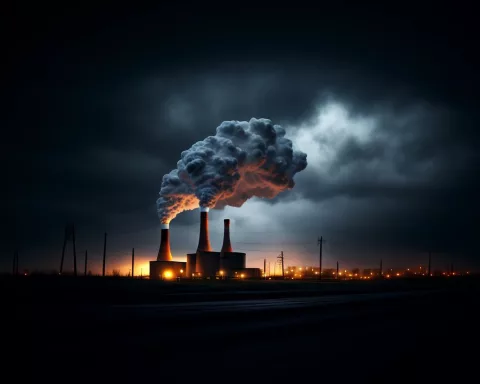
From an artistic perspective, infrastructure projects like Kusile can also be viewed through the lens of industrial art. There is a certain aesthetic to the symmetry and scale of power stations, often evoking the grandeur of the industrial age. The juxtaposition of these colossal structures against the natural landscape creates a compelling visual narrative, one that speaks to both human ingenuity and the quest for progress.
However, Eskom’s recent warning serves as a poignant reminder of the fragility of this progress. The breakdown of six generation units in twelve hours is not just a technical failure; it is a stark illustration of the challenges ahead. In a world increasingly defined by the need for sustainable energy solutions, balancing immediate demands with long-term sustainability becomes ever more delicate.
Eskom’s journey is a microcosm of the global energy transition. The utility’s efforts to stabilize and expand South Africa’s energy supply reflect the broader challenges faced by nations worldwide. As the world grapples with the twin imperatives of energy security and environmental stewardship, projects like Kusile offer valuable lessons in resilience, innovation, and the relentless pursuit of progress.
Looking ahead, the story of South Africa’s energy landscape will continue to unfold. Kusile and Medupi stand as beacons of what is possible when ambition meets determination. Yet, the road ahead remains filled with challenges. Eskom’s vigilance, as highlighted by their recent alert, underscores the importance of continued investment, innovation, and strategic foresight in ensuring a stable and sustainable energy future for South Africa.
“`markdown
FAQ: Navigating South Africa’s Energy Landscape
What are the main challenges currently facing South Africa’s energy sector?
South Africa’s energy sector is grappling with significant challenges, including frequent loadshedding due to failures in power generation units. Eskom has reported that the power grid is fragile, necessitating urgent infrastructural improvements, such as the integration of the Kusile Power Station to enhance stability and reliability.
How does Eskom view the state of the power grid?
Eskom has issued warnings regarding the precariousness of the power grid, highlighting recent failures of multiple power generation units. They indicate that a further loss of 800MW could necessitate Stage 2 loadshedding, indicating the need for close monitoring and rapid response to prevent widespread blackouts.
What role does the Kusile Power Station play in the energy landscape?
The Kusile Power Station is a critical development in South Africa’s energy framework, expected to add 4,800MW to the national grid once fully operational. This project not only aims to address immediate power demands but also reflects the country’s commitment to improving air quality and embracing sustainable energy practices through advanced technologies like Wet Flue Gas Desulphurisation (WFGD).
How does Kusile Power Station contribute to environmental sustainability?
Kusile is significant for its incorporation of WFGD technology, making it the first power station in South Africa and the African continent to do so. This technology enhances compliance with air quality regulations and reduces sulphur dioxide emissions, aligning South Africa with global best practices in environmental stewardship.
What historical and socio-economic significance do projects like Kusile and Medupi hold?
Historically, major infrastructure projects like Kusile and Medupi symbolize national progress and ambition, particularly in overcoming the energy crisis that has hindered economic development in South Africa. They serve not just as engineering advancements but as cultural landmarks that reflect the country’s aspirations for stability and growth in energy security.
What is the future outlook for South Africa’s energy sector?
The future of South Africa’s energy sector is a blend of challenges and potential. While projects like Kusile and Medupi promise immediate improvements in energy capacity and reliability, ongoing issues with Eskom’s management and operational efficiency highlight the need for sustained investment and innovation. The path toward a stable and sustainable energy future will require strategic foresight and vigilance from all stakeholders involved.
“`