
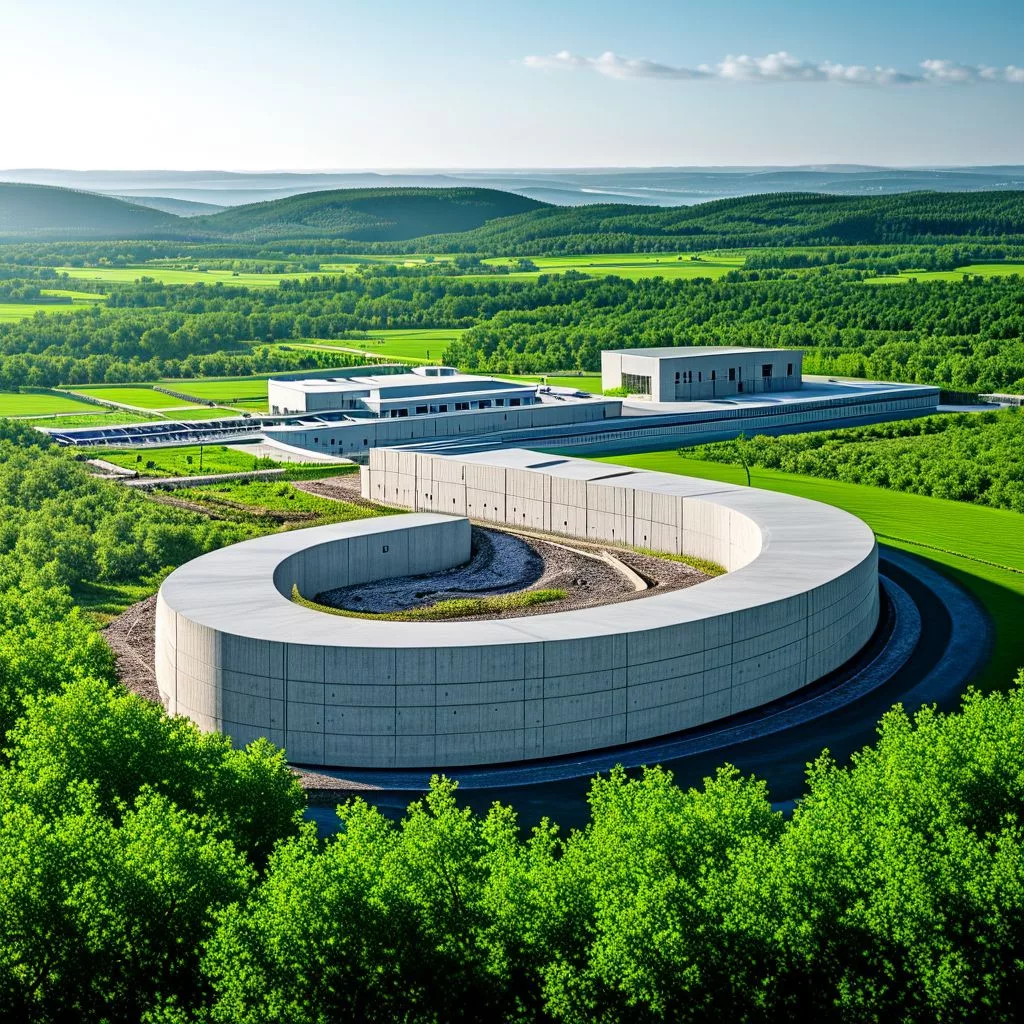
PPC is diving into a bold new chapter with a hefty R3 billion investment to build a modern cement plant in the Western Cape, starting construction in late 2025. This new facility will not only boost cement production and cut costs but also help PPC reduce its carbon emissions, ensuring a greener future. As South Africa’s first cement maker, PPC is shaking off recent struggles and aiming for a strong comeback with this exciting project. By partnering with experts in engineering, they plan to create a state-of-the-art plant that stands as a symbol of their resilience and commitment to sustainable growth.
What is PPC’s R3 billion investment in the Western Cape?
PPC’s R3 billion investment in the Western Cape includes the construction of a new plant starting in late 2025. This facility aims to enhance production capacity, reduce costs, and minimize carbon emissions, positioning PPC for long-term growth and sustainability in the South African cement industry.
The Genesis of a Transformative Journey
PPC, a major player in South Africa’s cement industry, is setting the stage for a significant transformation. With an ambitious R3 billion investment in a cutting-edge plant in the Western Cape, the company aims to start construction in late 2025. This strategic move, reported by the Daily Investor, marks a pivotal turnaround for PPC, which has struggled with slow economic growth and fierce competition from cheaper imports in recent years.
Since its inception as South Africa’s first cement manufacturer, PPC has been a foundational element of the country’s industrial sector. However, recent years have been challenging, with the company facing reduced profit margins and a volatile market landscape. Despite these setbacks, PPC’s ‘Awaken the Giant’ initiative is already showing positive results. This strategic blueprint focuses on boosting sales, optimizing operations, and stringent cost management. The initiative’s effectiveness is evident in the company’s 20% growth in EBITDA, indicating that the upcoming plant could further accelerate PPC’s recovery.
Strategic Vision and Sustainable Growth
The Western Cape project is a linchpin of PPC’s long-term growth strategy. The new plant will replace and expand the company’s current production capacity, targeting an annual output of 11.5 million tonnes of cement. This consolidation into a single, modern facility is expected to reduce costs significantly and minimize the company’s carbon footprint. PPC’s dedication to low-carbon cement is a crucial part of its broader sustainability goals.
Construction is slated to begin in the second quarter of 2025, with the plant expected to be fully operational by the end of 2026. PPC has already secured a site and obtained all necessary permits, laying a solid foundation for the project’s success. To mitigate risks, the company has partnered with Sinoma Overseas Development Company, a global leader in engineering. This collaboration aims to ensure the project stays within budget and on schedule, while PPC continues to operate its existing facilities smoothly.
Despite numerous challenges, including fluctuating revenues and a marked decline in 2021, PPC is steadily regaining its stability. Improvements in key operational areas like sourcing, logistics, and energy costs underscore the positive impact of the company’s restructuring efforts. This momentum suggests that the R3 billion investment will not only address current challenges but also secure PPC’s market position in an increasingly competitive landscape.
A Milestone in PPC’s Storied History
The new plant signifies a major milestone in PPC’s long history, showcasing the company’s resilience and commitment to innovation and growth. By investing in advanced technology and consolidating operations, PPC is making a forward-thinking move that positions it for long-term success. The Western Cape project is more than just a new plant; it represents a paradigm shift in how PPC conducts its business.
Leveraging advanced technology and optimizing operational efficiencies, PPC is setting a new benchmark for the cement industry in South Africa. The company’s focus on sustainability is particularly noteworthy at a time when environmental concerns are at the forefront of industrial discussions. PPC’s efforts to reduce its carbon footprint are both timely and commendable, reflecting its commitment to responsible business practices.
Moreover, the partnership with Sinoma Overseas Development Company highlights PPC’s dedication to excellence. Sinoma’s engineering and construction expertise will be crucial in ensuring the project’s success. This collaboration not only mitigates risks but also brings global best practices to the table, enhancing the quality and efficiency of the new plant.
Embracing Innovation and Sustainability
PPC’s journey mirrors broader movements that have driven progress through innovation and resilience. Much like the Industrial Revolution, which transformed economies and societies, PPC’s bold investment in the Western Cape plant marks a new era of industrial growth and sustainability. The company’s story also echoes the spirit of the Renaissance, a period characterized by a resurgence of creativity and forward-thinking, as it reinvents itself to navigate contemporary challenges.
The significance of this investment extends beyond financial metrics. It represents a renewed sense of purpose and direction for a company that has been integral to South Africa’s industrial fabric. This ambitious project demonstrates that even in the face of adversity, PPC remains committed to progress and innovation.
A Beacon of Resilience and Forward-Thinking
As PPC embarks on this transformative journey, it becomes a beacon of resilience and forward-thinking within the South African cement industry. The Western Cape plant is not just a testament to the company’s past achievements but also a bold statement about its future potential. By embracing innovation and sustainability, PPC is not only securing its market position but also contributing to a more sustainable industrial landscape for South Africa.
The road ahead will undoubtedly present challenges, but PPC’s strategic vision and commitment to excellence provide a robust foundation for future success. The Western Cape plant is poised to become a cornerstone of PPC’s operations, driving growth and sustainability for years to come. With a clear focus on innovation and environmental responsibility, PPC is set to lead the way in a new era of industrial development in South Africa.
FAQ
What is PPC’s R3 billion investment in the Western Cape about?
PPC’s R3 billion investment involves constructing a modern cement plant in the Western Cape, set to begin construction in late 2025. This new facility aims to enhance production capacity, lower costs, and minimize carbon emissions, thereby positioning PPC for sustainable long-term growth in the South African cement market.
When is the construction of the new plant scheduled to start?
Construction of the new cement plant is scheduled to commence in the second quarter of 2025, with plans for the facility to be fully operational by the end of 2026.
What will be the production capacity of the new plant?
The new plant is designed to target an annual output of 11.5 million tonnes of cement, consolidating and expanding PPC’s current production capabilities.
How does this investment reflect PPC’s commitment to sustainability?
PPC’s investment includes initiatives aimed at reducing carbon emissions and minimizing the environmental impact of cement production. The new facility will incorporate advanced technologies and operational efficiencies to align with PPC’s broader sustainability goals.
Who is partnering with PPC on this project?
PPC has partnered with Sinoma Overseas Development Company, a global leader in engineering, to help ensure that the project remains on budget and schedule while also maintaining high-quality standards throughout the construction process.
How does this investment fit into PPC’s overall strategy?
This investment is a key component of PPC’s ‘Awaken the Giant’ initiative, aimed at optimizing operations, boosting sales, and managing costs effectively. By investing in a modern plant, PPC is not only addressing current market challenges but also positioning itself for improved performance and resilience in a competitive landscape.