South Africa is facing a heated debate over a proposed increase in Value Added Tax (VAT) from 15% to 16% by 2026. The government believes this hike is necessary to fund vital services like health and education but promises to help low-income families with expanded social grants and zero-rated food items. However, this plan has met fierce opposition from the Democratic Alliance party, which argues it will unfairly burden the poor. As tensions rise within the coalition government, this issue reflects deeper struggles for fairness and justice in a nation still healing from past inequalities. The outcome of this tax increase could change the way South Africa balances economic needs with social responsibility.
What is the proposed VAT increase in South Africa?
The South African government plans to raise the Value Added Tax (VAT) from 15% to 15.5% on May 1, 2025, and to 16% by April 1, 2026. This decision aims to address funding deficits in critical sectors while attempting to cushion impacts on low-income households through social grants and zero-rated food items.
The political arena in South Africa has once again turned into a fierce battleground. The contentious issue at hand is the suggested incremental rise in the Value Added Tax (VAT) rate, a proposal that has stirred the nation and potentially destabilized the existing coalition government. On March 12, 2025, Finance Minister Enoch Godongwana delivered a budget speech that laid out this plan. He declared that the VAT rate would increase by 0.5 percentage points over the next two fiscal years. Starting from May 1, 2025, the VAT would go up from 15% to 15.5%, with another hike to 16% set for April 1, 2026.
Addressing Funding Shortfalls
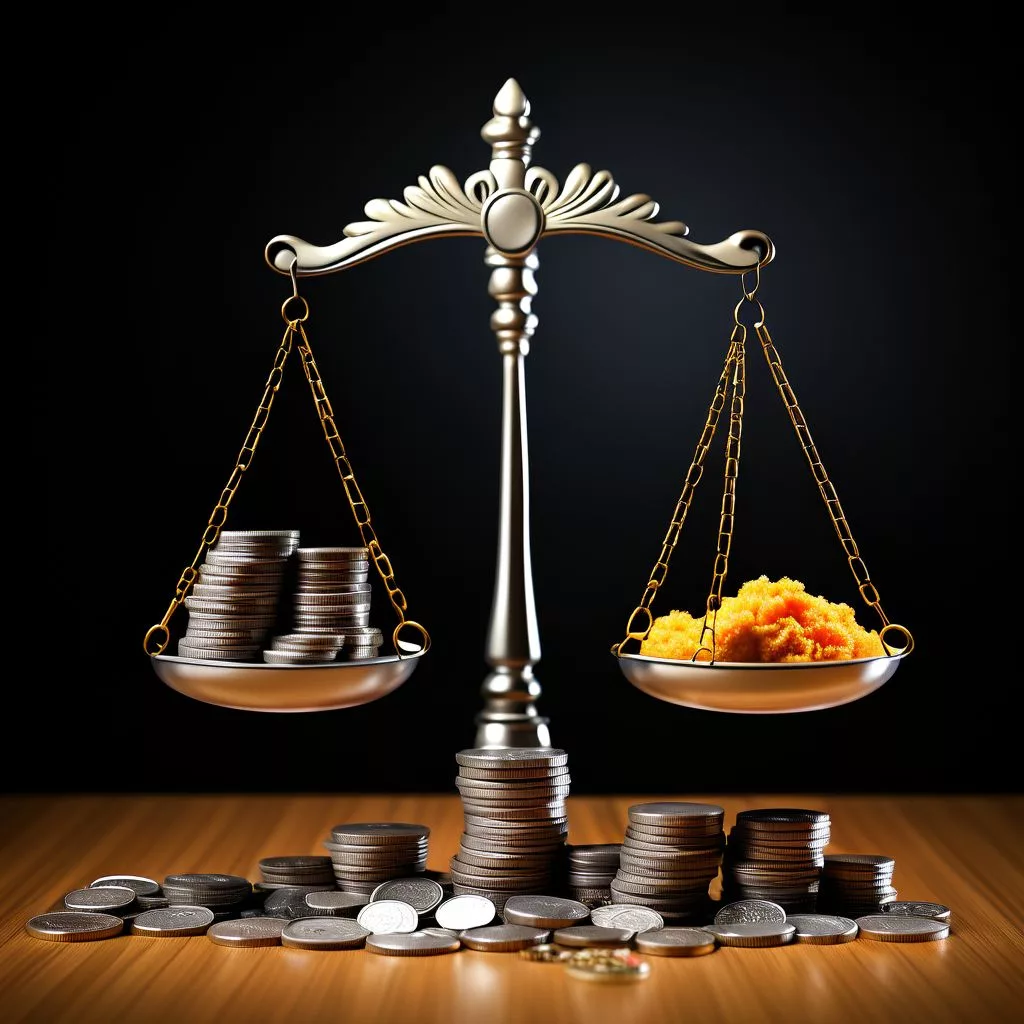
The rationale behind this decision lies in the urgent need to remedy funding deficits in critical sectors such as health, education, transport, and security. Recognizing the potential impact on low-income households, the South African government has proposed measures to alleviate the burden. These include expanding the list of zero-rated food items and boosting social grants with increases above the rate of inflation. These strategies aim to shield the most vulnerable populations from the harshest effects of the tax increase.
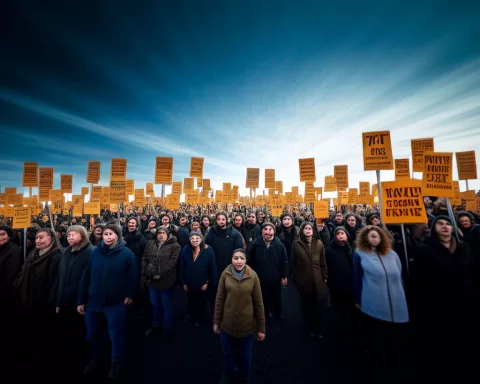
However, this decision has sparked immediate opposition. The Democratic Alliance (DA), the second-largest party within the coalition government, quickly moved to challenge the legality of the budget process. They launched a court case, arguing that both the parliamentary adoption of the fiscal framework and the proposed VAT increase were flawed procedurally. The DA argues that the tax hike would disproportionately affect the poor, worsening existing inequalities. They have sought an interdict to halt the implementation of the increase, significantly heightening tensions within the coalition.
Coalition Under Strain
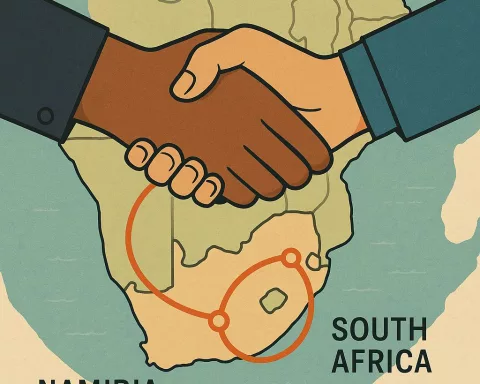
The coalition government was formed after the African National Congress (ANC) lost its majority in the 2024 elections. Now, the DA’s outright opposition to the budget raises serious questions about its continued participation in the coalition, casting a shadow over the future stability of the government. President Cyril Ramaphosa, often seen as a stabilizing figure, has acknowledged the complexities and challenges that accompany the proposed VAT increase.
In the midst of this political turmoil, the National Treasury remains proactive. They have initiated a 30-day review period to explore alternative revenue-raising measures. However, avoiding the VAT hike appears unlikely given the significant fiscal pressures the government faces. This delicate interplay of negotiation and conflict in South African politics has been meticulously reported by Reuters, highlighting the intricate dynamics at play.
Socio-Political and Economic Dynamics
The proposed VAT increase is not merely a change in fiscal policy; it serves as a microcosm of the broader socio-political and economic landscape. South Africa, a nation with a history characterized by profound transformation and an ongoing struggle for equity, faces another critical juncture. The proposal to raise VAT has sparked not only political and legal battles but also a deeper conversation about economic justice and governance.
The government’s strategy to mitigate the impact on the poor by expanding zero-rated food items and increasing social grants echoes historical attempts to balance fiscal necessity with social responsibility. Similar to economic reforms in other parts of the world, where governments have tried to generate revenue while maintaining social equity, South Africa is walking a tightrope. For instance, post-war European welfare states faced comparable challenges as they rebuilt their economies without neglecting the vulnerable.
Yet, South Africa’s context is unique. The lingering scars of apartheid, existing inequities, and the socio-economic landscape ensure that every fiscal decision is a potential flashpoint. The coalition government, a mosaic of diverse political ideologies, mirrors the broader societal pursuit of unity amidst diversity. The DA’s legal challenge highlights the fragility of this unity and the underlying currents of political rivalry.
Broader Implications and Public Response
As the legal and political drama unfolds, it is crucial to consider the broader implications of the VAT hike. Beyond the immediate fiscal consequences, this debate touches on fundamental issues of governance, equity, and the social contract. The government’s proposal to cushion the impact on low-income households is a positive step, but the real test lies in the implementation and effectiveness of these measures.
Moreover, the response from the public and various stakeholders will significantly shape the outcome. Civil society organizations, trade unions, and business communities, each with their interests and perspectives, will influence the discourse. Their engagement and advocacy could either support the government’s efforts to implement the VAT increase or amplify the opposition’s calls for alternative solutions.
A Moment for Reflection and Change
In South Africa’s history, moments of crisis often serve as catalysts for profound change. The current VAT increase proposal, with its potential to redefine fiscal policy and coalition dynamics, could be such a moment. It invites reflection on the principles of justice and equity that should guide economic decisions. It challenges leaders to find a path that balances fiscal prudence with social responsibility. And it reminds citizens of their role in shaping the nation’s future through active engagement and vigilance.
The proposed VAT increase is more than a financial adjustment; it represents a narrative of struggle, negotiation, and the quest for a just society. As South Africa navigates this complex terrain, the outcomes will resonate beyond economics, influencing the very core of its democracy and social cohesion. The path forward is fraught with challenges, but it also offers an opportunity for leaders and citizens alike to forge a future rooted in equity and justice.
“`markdown
What is the proposed VAT increase in South Africa?
The South African government plans to raise the Value Added Tax (VAT) from 15% to 15.5% on May 1, 2025, and to 16% by April 1, 2026. This increase aims to address funding deficits in essential sectors while attempting to cushion the impact on low-income households through expanded social grants and a list of zero-rated food items.
Why does the government believe a VAT increase is necessary?
The government argues that the VAT increase is crucial to remedy funding shortfalls in critical areas such as health, education, transport, and security. By increasing VAT, the government hopes to secure additional revenue needed to maintain essential services.
How will the government support low-income households?
To mitigate the impact of the VAT increase on low-income families, the South African government has proposed measures such as expanding the list of zero-rated food items and increasing social grants above the rate of inflation. These strategies aim to protect the most vulnerable populations from the harshest effects of the tax hike.
What opposition has emerged regarding the VAT increase?
The Democratic Alliance (DA), the second-largest party in the coalition government, has fiercely opposed the VAT increase. They argue that it will disproportionately burden the poor and have sought legal action to challenge the budget process and halt the implementation of the tax hike. This opposition raises questions about the stability of the coalition government.
What is the current status of the coalition government?
The coalition government, which formed after the African National Congress (ANC) lost its majority in the 2024 elections, is under strain due to the DA’s opposition to the VAT increase. The tensions within the coalition raise concerns about its stability and the future of governance in South Africa, especially as President Cyril Ramaphosa navigates these challenges.
What broader implications does the VAT increase have for South Africa?
The proposed VAT increase serves as a reflection of South Africa’s ongoing struggle for economic justice and equity. It raises fundamental questions about governance and the social contract between the state and its citizens. As public response and stakeholder engagement unfold, the outcome of this debate could have lasting effects on the balance between fiscal responsibility and social equity in the country.
“`