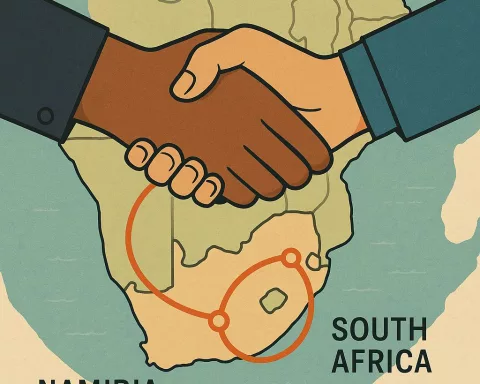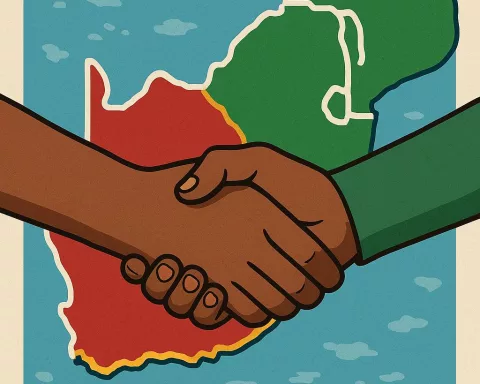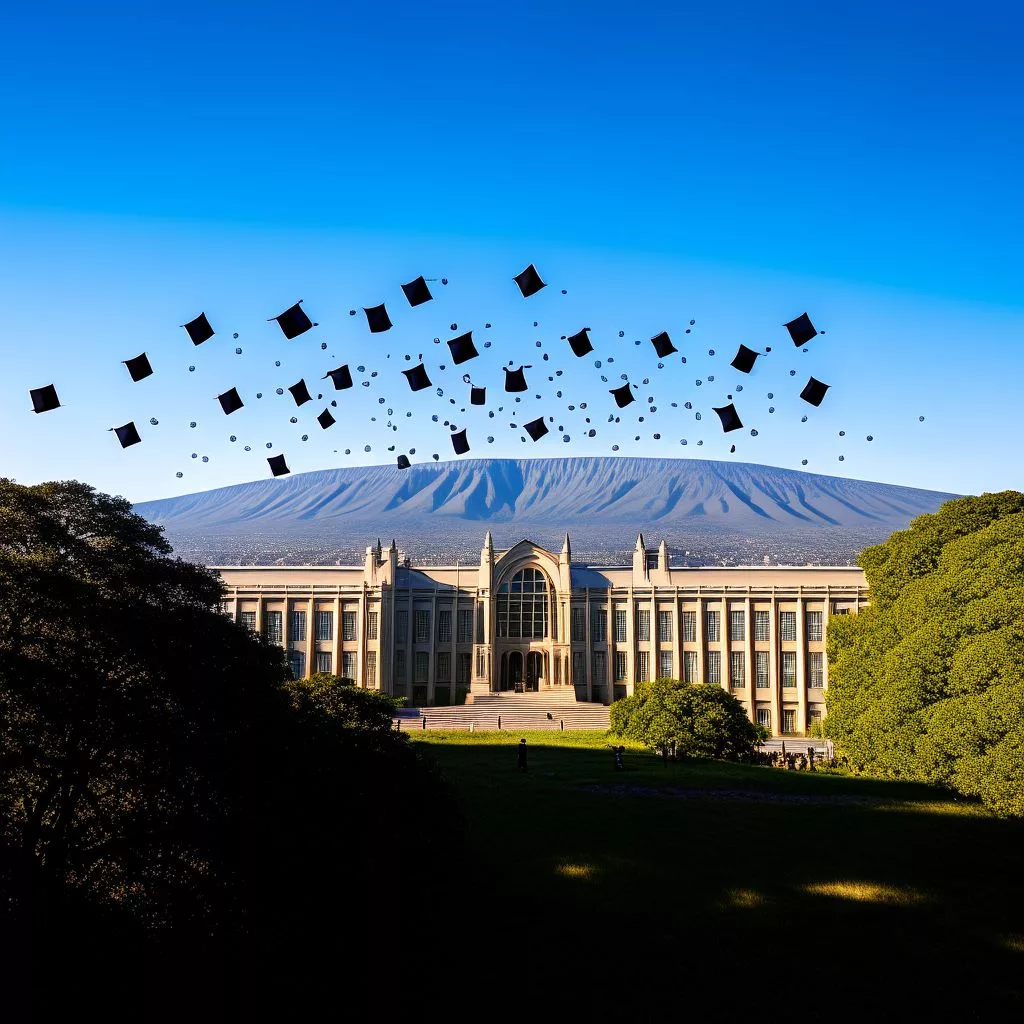
Under the shadow of Table Mountain, Palestinian students who escaped the destruction in Gaza gathered at the University of Cape Town to graduate, turning pain into pride. Their ceremony was more than just a celebration—it was a powerful symbol of hope, resilience, and new beginnings far from war. South Africans, remembering their own struggles, welcomed these students with open hearts, sharing a bond of solidarity and the dream of justice. This moment showed how, even in dark times, education and kindness can light the way to a better future.
What is the significance of the Palestinian graduates’ ceremony at the University of Cape Town (UCT)?
The Palestinian graduates’ ceremony at UCT symbolizes resilience, solidarity, and hope amid conflict. It marks a reclaiming of dignity for students displaced by Gaza’s devastation, highlights shared struggles between Palestinians and South Africans, and underscores UCT’s role as a refuge fostering education and global justice.
New Beginnings in a Place of Memory
Beneath the imposing presence of Table Mountain, where the Atlantic breeze carries echoes of both aspiration and remembrance, the University of Cape Town (UCT) hosted a graduation unlike any other. The city’s historic avenues witnessed the proud procession of Palestinian students, their academic robes a testament to resolve forged under unimaginable conditions. For these graduates, this ceremony went far beyond a simple academic milestone—it signified a reclamation of dignity snatched from the uncertainty and violence that defined their recent past.
These young scholars did not start their journeys in the tranquil groves of UCT. Their stories began in Gaza, a place where everyday existence unfolds against a backdrop of destruction and loss. Gaza’s institutions of learning once thrived with passionate debate and scholarly ambition. But the events of October 2023 wrought havoc on every aspect of life. The Israeli military operation, labeled ‘Swords of Iron,’ not only demolished infrastructure but also scattered communities and erased the immediate futures of thousands. Amid collapsing buildings and broken dreams, hope seemed elusive. Yet, through the efforts of humanitarian organizations working across borders, a select group of medical and veterinary students managed to escape the devastation and reach Cape Town, where their studies could continue.
Arriving in South Africa, these students walked UCT’s storied colonnades carrying both sorrow and strength. Their daily lives became acts of survival and resilience—a narrative South Africans know intimately. Having emerged from their own harrowing history of apartheid and systemic injustice, people across the country recognized a familiar struggle in these newcomers. The Zulu word “Amandla,” meaning power, reverberated through online platforms as South Africans celebrated the achievements of the Palestinian graduates. Expressions of solidarity, grounded in a shared heritage of resistance, bridged the gap between distant geographies and reminded all involved that the fight for justice and dignity knows no borders.
Crossroads of Solidarity and Resistance
This sense of unity between South Africans and Palestinians did not spring from coincidence. The connection traces back decades, rooted in shared experiences of oppression and enduring resistance. South African giants like Nelson Mandela made clear their support for the Palestinian cause, drawing parallels between their struggle for freedom and Palestine’s ongoing fight against occupation. Artistic expressions around Cape Town—murals, banners, and graffiti—carry the rallying call “Free Palestine!”, reflecting a deep and abiding relationship between two peoples linked by common battles against systemic injustice.
For the Palestinian graduates, the ceremony at UCT meant more than academic recognition. It stood as a decisive affirmation of their agency—a chance to steer their own destinies away from the chaos of conflict. UCT’s history as an institution mirrors this commitment to justice. Established in 1829, the university’s British colonial architecture contrasts sharply with its radical legacy. In the 1980s, UCT students challenged apartheid authorities, transforming the campus into a crucible of dissent and critical reflection. Today, that legacy endures as the university opens its doors to those seeking refuge from new crises.
Stories from the graduation brought these themes into sharp relief. One graduate, draped in a green stole adorned with Palestinian embroidery, lingered anxiously after the ceremony, her relief tempered by worry for her family still trapped in Rafah. Another student, pursuing veterinary medicine, spoke of his resolve to return home—not to fight, but to heal animals scarred by warfare. Their narratives, at once singular and connected, illuminate the complex interplay of grief, hope, and duty that marks the Palestinian experience at UCT.
Resonance Far Beyond the Campus
The impact of these students’ triumphs rippled well beyond the university’s walls. Social media platforms buzzed with messages of admiration, compassion, and solidarity from South Africans in every corner of the nation. Some celebrated with patriotic fervor, others responded with empathy and gentle humor, but the underlying theme remained the same—a recognition of the importance of moral clarity and decisive action in moments of crisis. As one comment humorously noted, “Sometimes?!!! Sometimes?!! We hit the nail on the head bandla,” acknowledging a rare sense of national pride in standing on the right side of history.
While this graduation offered a temporary respite from despair, it also sharpened the sense of urgency for those who remain trapped in Gaza’s ongoing humanitarian emergency. The siege persists, and calls for justice and intervention have grown louder, echoing around the globe from activists, diplomats, and ordinary people alike. The phrase “Free Palestine” has evolved from a slogan into a touchstone for collective conscience, demanding dignity, autonomy, and peace for Palestinians everywhere.
UCT’s decision to welcome these students highlights the university’s evolving role in global citizenship. History shows that academic institutions often serve as sanctuaries for the persecuted. From intellectuals fleeing the terrors of fascist Europe to South African exiles during apartheid, universities have provided not just safety, but also the intellectual resources necessary for personal and communal regeneration. UCT’s campus, rich with neoclassical facades and indigenous gardens, continues this tradition of refuge, bringing together new arrivals and long-standing residents in the ongoing work of healing and renewal. The university’s art collection, featuring works by artists in exile, offers visible evidence of the healing power of shared experience and artistic expression.
Building Networks of Belonging and Global Change
The graduation of these Palestinian students reflects a growing trend in higher education—one shaped by the pressures of forced migration. In the past, students crossed borders primarily in search of better opportunities. Now, war and instability in places like Syria, Yemen, and Gaza have created what researchers call “forced academic mobility.” Universities opening their doors to these students do more than educate; they create lifelines for those caught in the crosshairs of conflict, ensuring that learning and hope survive even when the world seems bent on destruction. The ceremony at UCT stands as a testament to this widening web of solidarity, connecting Cape Town to distant cities like Amman, Istanbul, and Toronto.
This network extends beyond the institutional. In the neighborhoods surrounding UCT, Palestinian students forged new communities. They found welcome in local mosques, student organizations, and among Cape Town’s small Palestinian diaspora. Shared traditions—brewing tea, breaking bread, and observing Ramadan—transformed everyday moments into acts of resistance and belonging. These gestures of care, as one student explained, marked the difference between isolation and acceptance.
South Africa’s response to these students’ circumstances highlights ongoing tensions in its own national identity. Despite progress since the end of apartheid, deep inequalities endure, and the sight of foreign students overcoming adversity prompts reflection on the unfinished journey toward justice for all. Conversations about displacement, resilience, and hope spill from academic halls into cafes and homes, weaving the individual stories of Palestinian graduates into the broader South African narrative.
The Enduring Power of Small Victories
In the vast sweep of global politics, the graduation of a handful of students may seem insignificant. Yet, as historian Fernand Braudel observed, history often pivots on such seemingly minor moments. The intersection of individual lives, the forging of unexpected alliances, and the relentless quest for knowledge in the face of violence all contribute to the slow, steady work of societal transformation. The journey of Palestinian students at UCT offers a powerful reminder of humanity’s capacity for endurance, empathy, and renewal, even when the world appears darkest.
This story, rooted in the unique convergence of struggle and solidarity under Table Mountain, extends hope far beyond Cape Town. It speaks to the possibility of reclaiming future and dignity, not only for those who walked across the stage in cap and gown, but for all who continue to seek justice and peace amid the storms of history.
FAQ: Reclaiming Hope Under Table Mountain – Palestinian Graduates at UCT
1. What is the significance of the Palestinian graduates’ ceremony at the University of Cape Town (UCT)?
The graduation ceremony symbolizes resilience, hope, and solidarity. It marks a moment of reclaiming dignity for Palestinian students displaced by the devastation in Gaza. Beyond academic achievement, it highlights shared struggles between Palestinians and South Africans and underscores UCT’s role as a refuge that fosters education, justice, and global citizenship in times of crisis.
2. How did Palestinian students come to study at UCT?
Following the destructive Israeli military operation in Gaza in October 2023, known as ‘Swords of Iron,’ many educational institutions in Gaza were devastated. With the help of humanitarian organizations, a select group of Palestinian medical and veterinary students escaped the conflict zone and were offered refuge at UCT. This allowed them to continue their studies in a safe environment far from the violence.
3. How does the experience of Palestinian students resonate with South Africans?
South Africans deeply relate to the Palestinian students’ experiences due to their own history of apartheid and systemic injustice. The shared narrative of resistance, survival, and the pursuit of justice has created a strong bond of solidarity. The South African concept of “Amandla” (meaning power) and public expressions of support, including murals and social media campaigns, reflect this connection and the country’s long-standing support for Palestinian freedom.
4. What role does UCT play in supporting displaced students and refugees?
UCT has a legacy of being a space for dissent, justice, and refuge. Historically involved in anti-apartheid activism, the university continues to uphold these values by welcoming displaced students from conflict zones like Gaza. UCT provides not only education but also a supportive community and resources that enable personal and academic regeneration for students forced to flee their homelands.
5. In what ways have Palestinian students integrated into the Cape Town community?
Beyond academics, Palestinian students have formed vibrant communities in Cape Town. They engage with local mosques, student organizations, and the existing Palestinian diaspora, sharing cultural traditions like brewing tea and observing Ramadan. These activities help build a sense of belonging and transform everyday moments into acts of cultural resilience and social connection.
6. What broader message does this graduation send about education and global solidarity?
The ceremony exemplifies how education can serve as a beacon of hope and a tool for empowerment, even amid conflict and displacement. It highlights the importance of global academic solidarity and the role universities play in offering lifelines to those affected by war. This event also reminds us that small victories—like graduation—can contribute significantly to societal transformation, healing, and the ongoing fight for justice worldwide.
If you would like to learn more about UCT’s role in global citizenship or about support initiatives for displaced students, please visit the University of Cape Town website or connect with local solidarity groups in Cape Town.