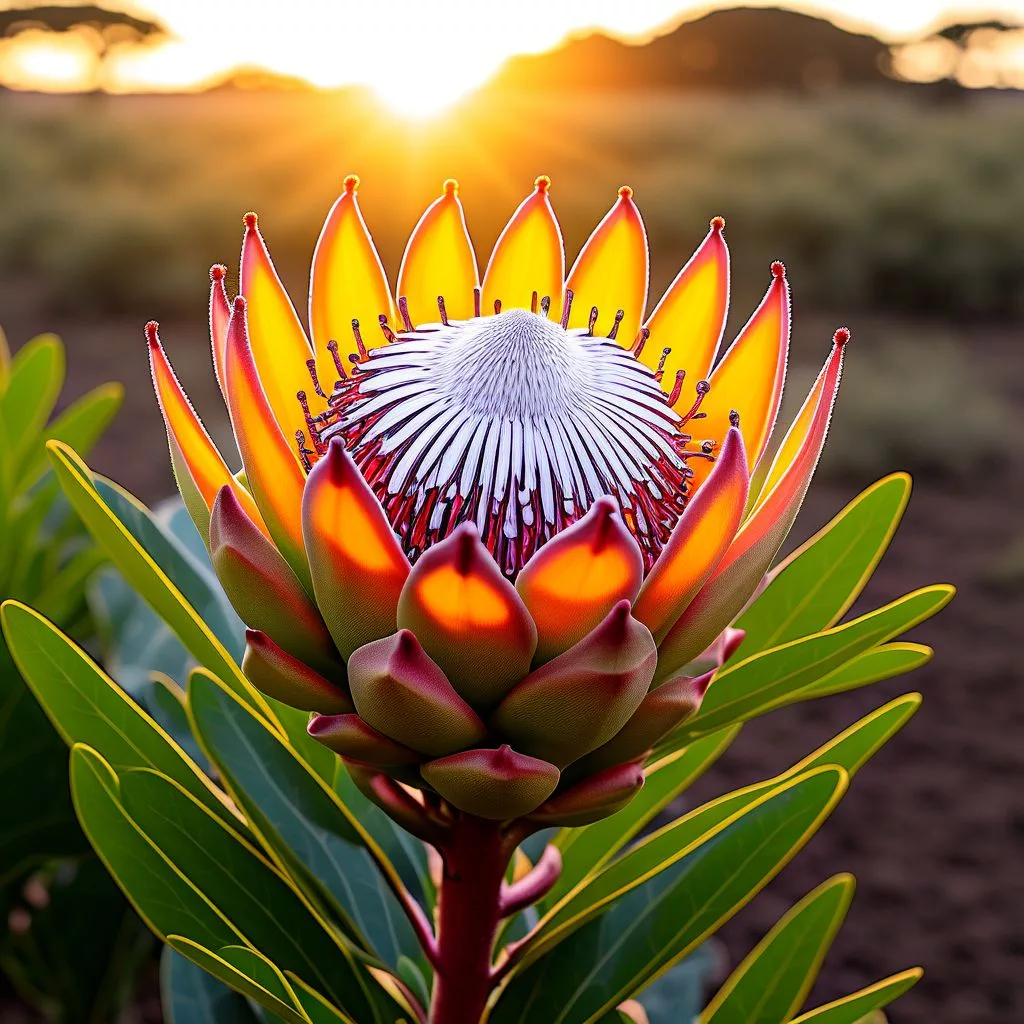
Kirstenbosch National Botanical Garden, nestled at the foot of Table Mountain in South Africa, is a vibrant wonderland bursting with over 7,000 native plant species. Visitors can stroll under ancient trees, marvel at the bright King Protea, and walk high above the forest on the famous Boomslang canopy walkway. This garden is not just beautiful—it’s a living classroom, protecting rare plants and teaching people the importance of nature. With music, art, and endless colors in every season, Kirstenbosch feels like the heartbeat of South Africa’s wild and wonderful spirit.
What makes Kirstenbosch National Botanical Garden special?
Kirstenbosch is South Africa’s premier botanical garden, renowned for its rich biodiversity, conservation efforts, and cultural heritage. It showcases over 7,000 indigenous plant species, features the iconic King Protea, offers immersive experiences like the Boomslang canopy walkway, and serves as a center for education and environmental protection.
A Jewel of Biodiversity and Cultural Heritage
Visitors entering Kirstenbosch National Botanical Garden find themselves immersed in a landscape where natural grandeur meets a century of dedicated stewardship. Tucked against the lower reaches of Table Mountain, this extraordinary garden stretches across the mountain’s lush eastern slopes, creating a vivid patchwork of color and life. Morning sunlight filters through the ancient tree canopy, spotlighting plant species as old as the land itself and setting the tone for an unforgettable journey. For more than one hundred years, Kirstenbosch has stood as South Africa’s botanical crown jewel, earning accolades from worldwide authorities such as The New York Times, which ranked it among the globe’s ten finest gardens. Such endorsements highlight not only Kirstenbosch’s visual splendor but also its essential contributions to conservation, education, and cultural enrichment.
Strolling along the garden’s winding trails, visitors embark on a voyage through time and botanical richness. Established in 1913, Kirstenbosch represents a landmark in horticultural philosophy: the first significant botanical garden dedicated solely to indigenous plant life. In an era when gardens often showcased exotic imports, Kirstenbosch took a pioneering stand, celebrating the extraordinary diversity of South Africa’s native flora. This commitment set a precedent for plant conservation movements worldwide, intertwining scientific inquiry, environmental care, and national identity.
The garden sits within the heart of the Cape Floristic Region, a UNESCO World Heritage Site famed for its astonishing biodiversity. Over 7,000 plant species flourish here, with countless varieties existing nowhere else on earth. The king protea, South Africa’s national flower, commands attention with its striking blooms, while intricate communities of ericas and restios weave a delicate fynbos tapestry beneath the canopy. Throughout the garden, the Protea Garden dazzles visitors each spring with blazing color, while the ancient cycads stand as silent reminders of prehistoric landscapes, their armored fronds outlasting entire epochs.
Artful Design and Immersive Experiences
Kirstenbosch’s landscape invites exploration not just through its plants but through its thoughtful design, which balances ecological principles with aesthetic vision. Each garden section reflects both the logic of natural ecosystems and the creativity of the human mind. Begin your visit in the Useful Plants Garden, where aromatic herbs and medicinal species offer a living library of indigenous knowledge, telling stories of survival and healing. Steps away, the [Botanical Society Conservatory ](https://capetown.today/celebrating-a-century-of-conservation-and-education-stellenbosch-flora-festival/)houses resilient succulents and desert plants, their sculptural forms and subtle hues crafted by centuries of arid adaptation. Light glints off the conservatory’s glass walls, hinting at the stark beauty of South Africa’s drylands—so distinct from the lush greenery outside.
One of Kirstenbosch’s most innovative features, the Centenary Tree Canopy Walkway—fondly known as the Boomslang—arches through the forest canopy with the grace of a serpent weaving through branches. This elevated walkway, crafted from steel and timber, invites visitors to gaze across the treetops, revealing panoramic views that span the garden’s diverse plantings, the rugged cliffs of Table Mountain, and even the distant shimmer of the Southern Ocean. The experience blends adventure with contemplation, offering a fresh perspective on both the cultivated and wild beauty of the Cape.
The garden’s immersive atmosphere draws people from all walks of life. Locals recount memories of childhood afternoons spent tumbling down grassy slopes and savoring the scent of wild honeysuckle, while international guests marvel at the concentrated plant diversity. Artists, inspired by the interplay of fynbos against vast skies, set up easels to capture fleeting moments of light and color. Amid the chorus of birdsong, the garden becomes a living canvas, offering endless inspiration and discovery.
Heartbeat of Culture and Conservation
Kirstenbosch pulses with cultural energy as dynamically as it nurtures plant life. During the summer, the lawns transform into a vibrant gathering place as music lovers flock to open-air concerts. These events span genres—from jazz to indigenous rhythms—and bring together families and friends beneath the stars, united by a shared love of music and nature. Art installations and sculptures, some abstract and others echoing indigenous forms, punctuate the landscape throughout the year, inviting reflection and engagement.
At its core, Kirstenbosch functions as both sanctuary and classroom. Managed by the South African National Biodiversity Institute (SANBI), the garden leads the way in educational outreach and environmental awareness. School groups wind along the pathways, clipboards in hand, learning firsthand about pollination, adaptation, and the fragile balances that sustain Earth’s ecosystems. The garden’s research facilities enable scientists to pioneer conservation methods, restore threatened habitats, and protect rare species from extinction. Outreach programs extend Kirstenbosch’s influence beyond its borders, sharing knowledge about sustainable gardening and indigenous plant uses with local communities.
Conservation remains Kirstenbosch’s guiding mission. The garden acts as a safe haven for some of the world’s most vulnerable flora, including several species teetering on the brink in their natural habitats. The cycads—living relics from the age of dinosaurs—stand as both scientific treasures and reminders of time’s vastness. Through dedicated propagation efforts, Kirstenbosch ensures that future generations will encounter these ancient plants. Ongoing projects in fynbos restoration and seed banking position the garden at the forefront of international biodiversity and climate resilience conversations.
Legacy, Recognition, and the Promise of Renewal
Kirstenbosch’s global stature continues to grow, underscored by numerous prestigious awards. The World Luxury Travel Awards honored it as Africa’s premier botanical garden, and its innovative ecological designs have influenced experts worldwide. The New York Times’ recognition further cements Kirstenbosch’s reputation as a place where beauty, sustainability, and education unite—a living example of the harmonious relationship between art, nature, and community, reminiscent of the ideals celebrated by the Arts and Crafts movement.
Experiencing Kirstenbosch fully means engaging every sense. The air teems with the aroma of wild herbs and blooming watsonias, while flashes of color from sunbirds and butterflies enliven the landscape. Rock dassies bask contentedly on sun-warmed stones, and the slopes of Table Mountain rise majestically above, inviting hikers to climb toward Skeleton Gorge. Families gather on the lawns to share picnics, laughter and the chase of butterflies blending into the symphony of garden life.
For many, Kirstenbosch epitomizes the spirit of South Africa—resilient in the face of change, rich in diversity, and brimming with surprises at every turn. The garden’s dynamic displays continually reinvent themselves, ensuring that each visit offers something new to both regulars and newcomers. In an era marked by dwindling wild spaces and accelerating biodiversity loss, Kirstenbosch stands as a beacon of hope—rooted in careful stewardship, creative vision, and a deep respect for the interconnectedness of life.
As each season passes, Kirstenbosch’s story continues to unfold. Every blossoming plant and every joyful visitor adds a new chapter to this living record of South Africa’s botanical heritage. Under the protective embrace of ancient trees and among the proteas and cycads, the garden quietly weaves together past and future, shaped by both human hands and the timeless rhythms of the natural world.
What is Kirstenbosch National Botanical Garden and where is it located?
Kirstenbosch National Botanical Garden is a world-renowned botanical garden located at the foot of Table Mountain in Cape Town, South Africa. It is dedicated to showcasing and conserving South Africa’s indigenous plant species, with over 7,000 native plants thriving within its boundaries. The garden is part of the Cape Floristic Region, a UNESCO World Heritage Site known for its rich biodiversity.
What makes Kirstenbosch unique compared to other botanical gardens?
Kirstenbosch was the first major botanical garden dedicated solely to indigenous South African flora, setting a global precedent for conservation and ecological horticulture. It uniquely combines stunning natural landscapes with scientific research, education, and cultural events. Features like the iconic King Protea (South Africa’s national flower) and the innovative Boomslang canopy walkway offer visitors immersive experiences that blend nature, art, and adventure.
What can visitors see and do at Kirstenbosch?
Visitors can explore winding trails beneath ancient tree canopies, discover the vibrant Protea Garden, and visit themed sections like the Useful Plants Garden and the Botanical Society Conservatory. The Boomslang canopy walkway offers panoramic views over the garden and Table Mountain. Throughout the year, Kirstenbosch hosts outdoor concerts, art exhibitions, and educational programs, making it a hub for culture, recreation, and learning.
How does Kirstenbosch contribute to conservation and education?
Managed by the South African National Biodiversity Institute (SANBI), Kirstenbosch plays a vital role in protecting threatened plant species, including ancient cycads and rare fynbos plants. It serves as a living classroom where school groups and visitors learn about ecology, pollination, and sustainable gardening. The garden’s research and propagation efforts support habitat restoration and global biodiversity initiatives.
When is the best time to visit Kirstenbosch?
Kirstenbosch is beautiful year-round, with each season showcasing different aspects of its rich plant diversity. Spring brings a spectacular bloom in the Protea Garden, while summer offers lively outdoor concerts on the lawns. Autumn and winter provide peaceful walks among the ancient trees and unique succulents. Visitors can enjoy a different experience with every visit, as the garden’s displays continually evolve.
Are there facilities and activities for families and tourists at Kirstenbosch?
Yes, Kirstenbosch is family-friendly and offers picnic areas, guided tours, and educational programs suited for all ages. The Boomslang canopy walkway provides a thrilling experience for adventure seekers, while the garden’s layout makes it accessible for leisurely strolls. Seasonal events, art installations, and live music create an engaging environment for tourists and locals alike.