
Siya Kolisi, South Africa’s first black Springbok captain and two-time World Cup winner, made a special visit to Gqeberha to inspire young rugby players. His surprise arrival at Nelson Mandela Bay Stadium filled the air with excitement and hope, as he shared his powerful story of hard work and triumph. Kolisi’s visit connected the rich rugby history of the Eastern Cape with the bright future of the Junior Springboks, showing them that dreams can come true. The day became a shining moment of mentorship, community pride, and the spirit of South African rugby coming alive.
Who is Siya Kolisi and why was his visit to Gqeberha significant?
Siya Kolisi, South Africa’s first black Springbok captain and two-time Rugby World Cup champion, visited Gqeberha to inspire Junior Springboks. His presence symbolized mentorship, hope, and the bridging of local rugby heritage with future generations at Nelson Mandela Bay Stadium.
The Captain’s Arrival: More Than a Surprise
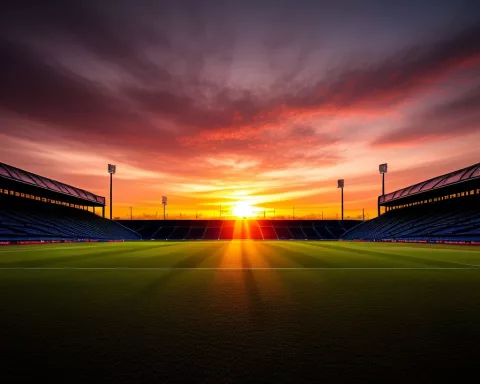
Under the expansive African sky, the B-field of [Nelson Mandela Bay Stadium](https://capetown.today/mbombela-stadium-the-unifying-symbol-of-south-africa/) pulsed with the energy of youth and anticipation. What began as a routine training session for the Junior Springboks soon became an extraordinary occasion, as Siya Kolisi—South Africa’s iconic rugby captain—stepped onto the pitch. There was no fanfare or formal announcement. Instead, Kolisi’s unplanned appearance transformed the morning, infusing the atmosphere with a sense of history and renewed hope that reverberated across the field.
Kolisi didn’t merely arrive as a spectator; he brought with him the weight of his own remarkable journey. Born and raised just kilometres from where he now inspired the next generation, Kolisi’s path from local fields to global glory is well known. He carries the narrative of perseverance, having risen from humble beginnings in the Eastern Cape to become the first black captain to lead the Springboks to World Cup victory. His story resonated with the young players, rooting them in a legacy of both struggle and triumph.
For the aspiring Under-20 players, Kolisi’s presence represented more than athletic achievement—it embodied possibility. As the squad trained and prepared, the electric anticipation spread among coaches and players alike. The entire session shifted in tone. Laughter rang out, shouts of encouragement grew bolder, and every drill felt amplified by the realization that their hero now stood among them, not as an untouchable legend, but as a mentor and living proof of what determination can yield.
Bridging Past and Present: Lessons Beyond the Field
The Eastern Cape stands as a storied region in the annals of South African rugby. Known as the cradle of black rugby, it has long nurtured talents who overcame adversity to make their mark on the sport. Kolisi’s connection to this heritage runs deep, and his return to Gqeberha’s fields serves as a bridge between generations. He did more than offer advice—he embodied the living history of the region, linking its proud, sometimes tumultuous past with the promise of an exciting future.
When Kolisi addressed the squad, his words struck a careful balance between encouragement and challenge. He commended the players on their commitment and the culture they had cultivated, using humor to connect with them. “The size of these boys, it’s ridiculous compared to me,” he quipped with a smile. This lighthearted observation simultaneously broke the ice and reminded everyone that greatness takes many shapes and forms.
Kolisi’s message extended beyond technique and tactics. He urged the players to fully embrace the privilege and responsibility that comes with representing their country. “You aren’t just playing for yourselves—you’re carrying the hopes of the entire nation,” he emphasized. This perspective draws upon South Africa’s history, where rugby has often been a unifying force, particularly since the nation’s iconic 1995 World Cup victory. Kolisi’s words served as both a rallying cry and a reminder of the deeper meaning woven into the Springbok jersey.
Community, Identity, and the Spirit of Gqeberha
Kolisi’s visit resonated not only with the players but with the city itself. Gqeberha has always been a stronghold for rugby, its supporters forming the backbone of the sport’s passionate following in South Africa. Nearly 9,000 locals filled the stands for the Junior Springboks’ opening match against Argentina, a clear testament to the city’s unwavering enthusiasm. Kolisi recognized this, expressing gratitude to the fans and voicing confidence in their continued support. “I know they’ll show up again—this province lives and breathes rugby,” he remarked. His words highlighted the city’s enduring relationship with the sport, where the excitement of big matches threads itself into the identity of the community.
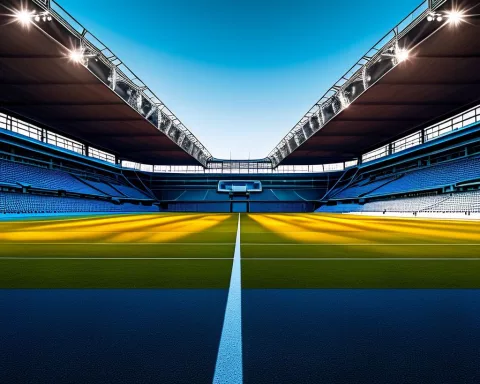
The venue itself, Nelson Mandela Bay Stadium, stands as a symbol of progress and unity. Named after the beloved statesman who led South Africa through its transformation, the stadium has become a beacon for new generations chasing their dreams. It feels fitting that Kolisi, a two-time Rugby World Cup champion and the first black Springbok captain, returned to these grounds to inspire the next wave of talent. The moment recalled traditions where wisdom passes directly from master to apprentice, blending the weight of history with the spark of ambition.
The impact of Kolisi’s visit was immediate and profound. Junior Springboks captain Riley Norton spoke for the entire squad, calling the encounter a highlight of their journey so far. “He’s our hero, and we’re grateful for his words—we’ll remember this day,” Norton said. The sense of honor and inspiration ran deep, fueling the kind of motivation that builds legendary teams and lasting legacies.
The Power of Presence: Mentorship and the Future of South African Rugby
The significance of Kolisi’s presence on the B-field reached well beyond a single training session. Rugby in South Africa is more than a pastime—it’s woven into the social and political fabric of the nation, carrying echoes of past struggles and aspirations for a more inclusive future. The sight of schoolchildren in Springbok jerseys, the communal buzz of anticipation, and even the affordable R20 tickets all contributed to the festive yet meaningful atmosphere. These elements combined to make the game accessible, ensuring that every corner of Gqeberha could participate in this celebration of community and sport.
As the Under-20 Rugby Championship progresses, the excitement only intensifies. The next round—featuring matchups between New Zealand and Argentina, and South Africa against Australia—promises to showcase not only fierce rivalry but also the spirit of friendship that sport can foster. On these fields, young athletes forge new reputations and lay the groundwork for future stardom. Each match becomes a microcosm of global rugby, where strategy, teamwork, and raw talent intersect.
Kolisi’s hands-on approach to leadership and mentorship signals a new era in sport. Where once the divide between superstar and hopeful was vast, today’s icons reach out, offering guidance and encouragement face-to-face. This transformation aligns with modern thinking on leadership, which values approachability, emotional intelligence, and the cultivation of team culture over solitary brilliance. These moments of connection—on the training ground, in the locker room, and before a roaring crowd—shape not only individual careers but the very soul of rugby in South Africa.
Looking Ahead: A Legacy in Motion
With international fixtures on the horizon and the city’s excitement mounting, Gqeberha stands ready to write the next chapter in its ongoing relationship with rugby. The Nelson Mandela Bay Stadium will again become a focal point as players, coaches, and supporters converge, each aware that today’s moments on the field could become tomorrow’s legends. The stories told, the lessons learned, and the dreams ignited beneath those bright stadium lights will ripple through the community long after the final whistle.
Kolisi’s visit reminded everyone—players and fans alike—that the journey to greatness begins on familiar ground, with hard work and heart. His story, rooted in the Eastern Cape and crowned on the world stage, offers a blueprint for what is possible. As the Junior Springboks prepare for their next test, they do so inspired not only by the prospect of victory but by the enduring legacy of those who walked before them.
In the golden morning sun, the B-field of Nelson Mandela Bay Stadium became more than just a patch of grass. For a fleeting time, it stood as the heart of South African rugby—a place where past, present, and future converged under the watchful eye of a true champion. The echoes of that morning will guide these young athletes as they chase their own dreams, carrying with them the spirit of a nation and the lessons of a living legend.
FAQ: Siya Kolisi’s Visit to Gqeberha and Its Impact on South African Rugby
Who is Siya Kolisi and why was his visit to Gqeberha significant?
Siya Kolisi is South Africa’s first black Springbok captain and a two-time Rugby World Cup winner. His visit to Gqeberha was significant because he came to inspire the Junior Springboks, bridging the rich rugby heritage of the Eastern Cape with the aspirations of the next generation. His presence symbolized mentorship, hope, and the demonstration that hard work and perseverance can lead to global success.
What made Siya Kolisi’s arrival at Nelson Mandela Bay Stadium so memorable?
Kolisi’s arrival was an unannounced surprise during a Junior Springboks training session, instantly transforming the atmosphere. Rather than a formal event, his spontaneous presence energized the players and coaches, turning a routine practice into a historic moment filled with inspiration and hope. His roots in the Eastern Cape and his journey from local fields to international glory made his presence deeply meaningful to the young athletes.
How did Siya Kolisi connect the past and present of rugby in the Eastern Cape?
The Eastern Cape is known as the cradle of black rugby in South Africa, with a legacy of overcoming challenges to excel in the sport. Kolisi embodies this history through his own story of resilience and success. By visiting Gqeberha and speaking to the Junior Springboks, he linked the region’s proud, sometimes difficult rugby past with the promise and potential of the future generation, emphasizing the responsibility of representing the nation and the unifying power of rugby.
What message did Siya Kolisi share with the Junior Springboks during his visit?
Kolisi encouraged the players to embrace their privilege and responsibility in wearing the Springbok jersey, reminding them they represent the hopes of the entire nation. He balanced humor with serious advice, urging commitment, teamwork, and pride. His words highlighted the deeper meaning behind rugby in South Africa—not just as a sport but as a symbol of unity and progress.
How did the local community and fans respond to Kolisi’s visit and the Junior Springboks’ matches?
The community of Gqeberha, a passionate rugby stronghold, showed overwhelming support with thousands of fans filling Nelson Mandela Bay Stadium for the Junior Springboks’ matches. Kolisi acknowledged this enthusiasm and expressed confidence that the province’s rugby spirit would continue to thrive. The affordable ticket prices and accessible atmosphere helped foster a communal celebration of the sport and its cultural significance.
What impact does Siya Kolisi’s mentorship have on the future of South African rugby?
Kolisi’s hands-on approach to mentorship signals a new era where rugby icons actively engage with young players, offering guidance and encouragement. This promotes leadership styles based on approachability and team culture. His visit energizes the Junior Springboks, inspiring them to carry forward South Africa’s rugby legacy with dedication and heart. Such connections strengthen the sport’s social fabric and ensure continuous growth and inclusivity in South African rugby.
If you want to learn more about South African rugby, the Junior Springboks, or upcoming international fixtures at Nelson Mandela Bay Stadium, feel free to ask!