Koyo Kouoh was a bold and inspiring curator who changed how the world sees contemporary African art. She gave local artists a powerful voice, creating spaces where their stories could be heard and celebrated. Leading Zeitz MOCAA, she made the museum a lively place full of bold ideas, honest talks, and fresh creativity. Her passion for teaching and including young artists helped build a stronger future for African art. Even after her passing, Koyo’s influence shines bright, inspiring many to keep pushing boundaries and telling true stories.
Who was Koyo Kouoh and why is she important in contemporary African art?
Koyo Kouoh was a visionary curator who transformed contemporary African art by championing local artists, fostering dialogue, and redefining institutions like Zeitz MOCAA. She promoted mentorship, inclusivity, and global recognition, breaking barriers and reshaping how African creativity is seen worldwide.
A Life Marked by Transformation
News of Koyo Kouoh’s untimely passing sent shockwaves through the art world, reaching from the soaring spaces of [Zeitz MOCAA in Cape Town ](https://capetown.today/the-zeitz-mocaa-a-celebration-of-contemporary-art-from-africa-and-beyond/)to art centers across Africa and the globe. The collective sense of loss felt almost immeasurable, as Kouoh’s presence had become intertwined with a new era of artistic innovation and advocacy. Her career, a tapestry woven with ambition and a relentless belief in the power of art, inspired many to look beyond traditional boundaries and recognize the vibrancy of African creativity.
Kouoh’s beginnings in Cameroon set the stage for a journey that defied the usual trajectories leading through Europe or North America. Rather than following established routes, she forged a path uniquely her own, driven by the conviction that African creators deserved to occupy the heart of international cultural conversations. Early on, Kouoh established the Raw Material Company in Dakar, Senegal—a bold initiative that quickly became a hub for experimental artistic practices and intellectual exchange. Through this platform, she fostered a new generation of artists and thinkers who challenged the isolation often imposed on African talent.
Her approach to art and leadership always emphasized dialogue and collaboration. At Raw Material Company, Kouoh broke down barriers, connecting local artists with their peers abroad and creating opportunities for exchange and growth. This dedication to building networks and creating spaces for critical thought soon set her apart as a leading figure in the contemporary art world.
Leading Zeitz MOCAA Into a New Era
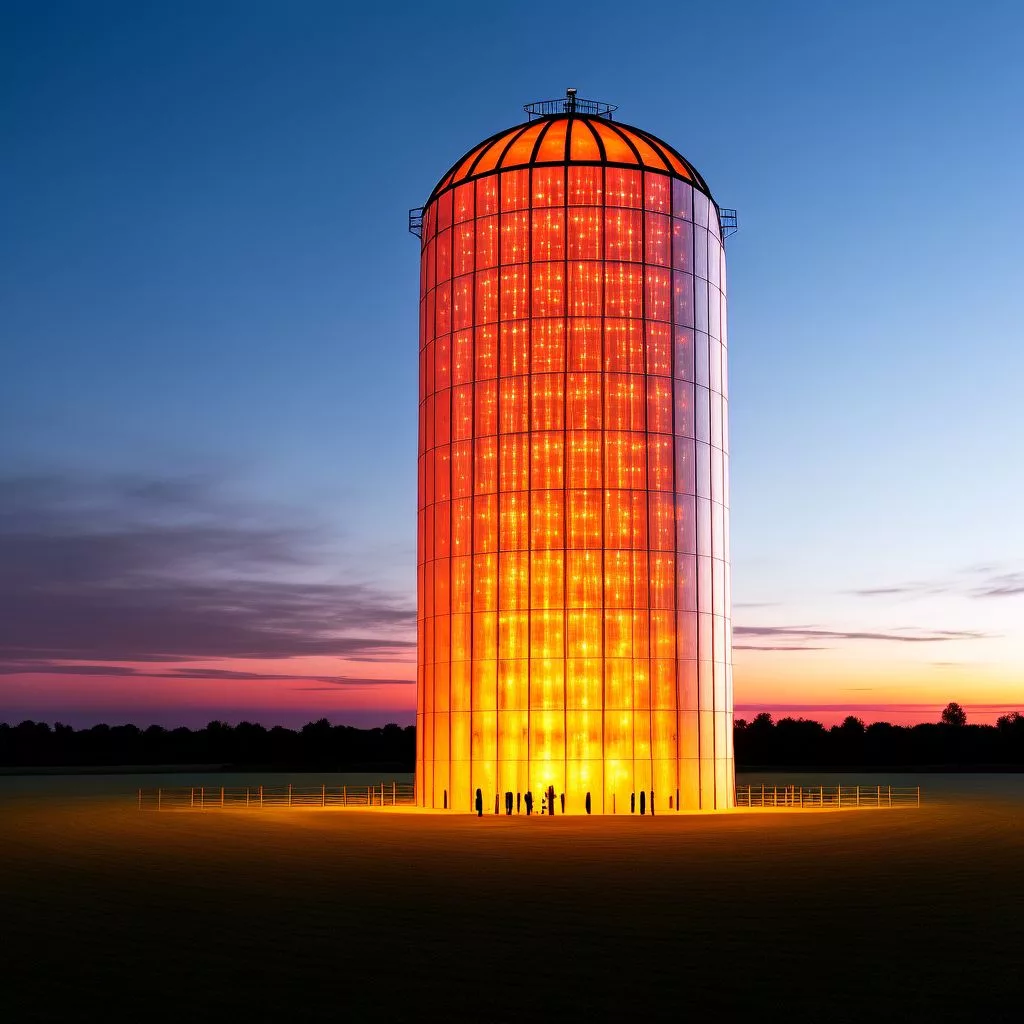
When Kouoh took the helm at Zeitz MOCAA in 2019, many in the South African art community and beyond saw her appointment as a bold and necessary turning point. The museum itself, repurposed from an old grain silo and situated with sweeping views of the Atlantic, already stood as a symbol of architectural innovation. Under Kouoh’s leadership, however, the institution became much more than a landmark—it evolved into a dynamic center that mirrored Africa’s complex histories and flourishing present.
Kouoh approached curatorial work with a distinct, personal touch. Visiting Zeitz MOCAA during her tenure, one could immediately feel a shift in atmosphere: African artists stood at the forefront, telling their own stories, not simply existing as subjects filtered through outside perspectives. In one notable exhibition, Kouoh orchestrated a meeting between William Kentridge’s multimedia creations and the bold, politically charged paintings of younger talents like Kudzanai Chiurai. Her curatorial strategies often paired different generations and styles, allowing natural tensions and harmonies to emerge, while never shying away from topics such as memory, trauma, and identity.
Kouoh’s vision extended far beyond traditional exhibition formats. She pushed boundaries, crafting experiences that drew audiences into deeper conversations. Rather than presenting art as static objects, she encouraged visitors to engage, question, and even confront uncomfortable truths. Her belief in the transformative possibilities of art permeated every project, and she consistently sought to make the museum a space where healing and understanding could take root.
Building Legacies Through Education and Inclusion
Kouoh’s talents as a curator were matched by her passion for mentorship and education. Recognizing that meaningful change within institutions requires more than daring exhibitions, she invested in developing talent and building future leaders. She launched initiatives to mentor emerging curators and established residency programs, providing young artists with critical opportunities to gain visibility and experience in a fiercely competitive field.
Her workshops at Zeitz MOCAA brimmed with energy, as local youth and aspiring creatives gathered to learn, debate, and reimagine their roles within the broader narrative of art history. Kouoh refused to let the museum remain detached from its surroundings; she actively connected its programming to schools, neighborhoods, and wider Cape Town communities. Her conviction that art should be an inclusive, lived experience shaped every outreach effort, ensuring that Zeitz MOCAA held open doors for all who wished to enter.
Her influence reached well beyond the polished halls of the museum. Kouoh consistently argued that art spaces on the continent must prioritize the needs and voices of local communities, rather than appealing solely to tourists or affluent patrons. She championed exhibitions tackling pressing issues like environmental degradation, gender-based violence, and migration politics, inviting artists to respond with urgency and honesty. Through this, Kouoh transformed the institution into a place where local stories found amplification and global resonance.
Breaking Barriers and Shaping the Future
Kouoh’s reach extended internationally, and her selection as curator for the 2026 Venice Biennale signaled a watershed moment for African representation on the world stage. The Venice Biennale, with its storied history, has rarely welcomed African curators in prominent roles. Kouoh’s appointment marked not just an increase in visibility, but a recognition of her intellectual depth and groundbreaking influence within contemporary art. Her leadership promised to challenge entrenched Eurocentric narratives, bringing African realities and perspectives to the center of global discourse.
Drawing on a wide array of inspirations, Kouoh balanced reverence for 20th-century modernism with a deep engagement in contemporary African traditions. She often referenced the pioneering work of Okwui Enwezor—another trailblazer who reshaped Documenta and the Venice Biennale—while celebrating the emerging artists she mentored. Kouoh’s curatorial philosophy, grounded in postcolonial theory, transformed every exhibition into a conversation with the past and the present, always conscious of Africa’s unique cultural and social forces.
Her colleagues and collaborators recall the precision and care she brought to every interaction. Kouoh devoted hours to studio visits, probing deeply into sketches and ideas, encouraging artists to expand their horizons. She never lost her sense of curiosity, always jotting down thoughts and stories in her ever-present notebooks. Her insistence on excellence, paired with her attention to detail, elevated every project and left a lasting imprint on those around her.
Tributes, Legacy, and the Continuing Ripple Effect
After Kouoh’s passing, tributes poured in from across the art world. Cultural leaders described her as a “pioneer” and “visionary,” while artists spoke of the confidence and ambition she inspired in them. Zeitz MOCAA, in its heartfelt statement, affirmed the profound impact she had on transforming the museum into a beacon of opportunity and hope.
Understanding Kouoh’s legacy means recognizing the obstacles African artists have historically faced within major institutions. For too long, Western museums relegated African works to ethnographic curiosities, erasing their individuality and creative merit. Curators like Kouoh and Enwezor pushed the art world to confront these biases, asserting that African voices belonged at the forefront, contributing essential innovations and ideas.
Kouoh’s impact cannot be measured solely by the exhibitions she organized or the accolades she received. Her influence reverberates through a new generation of curators, artists, and thinkers now shaping the art world on their own terms. The spirit she infused into Zeitz MOCAA continues to animate every gallery, program, and partnership, both locally and internationally. Her legacy of mentorship, intellectual generosity, and fearless truth-telling endures in the institution she helped redefine.
In a field often resistant to rapid change, Kouoh navigated with a rare blend of urgency and patience, always aware that the stories shared within museum walls held the power to shift perceptions, ignite dreams, and heal wounds. Her remarkable journey stands as a testament to the transformative potential of vision, collaboration, and unwavering courage in the ongoing evolution of contemporary art.
Who was Koyo Kouoh and why is she significant in contemporary African art?
Koyo Kouoh was a pioneering curator from Cameroon who redefined how contemporary African art is perceived globally. She championed local African artists, created inclusive platforms for dialogue, and led major institutions like Zeitz MOCAA to prioritize African voices and stories. Her work broke barriers, promoting mentorship, education, and global recognition of African creativity, making her one of the most influential figures in contemporary art.
What were Koyo Kouoh’s major contributions at Zeitz MOCAA?
As the executive director and chief curator from 2019, Kouoh transformed Zeitz MOCAA from a landmark museum into a vibrant cultural hub. She centered African artists in exhibitions, encouraged intergenerational dialogue, and addressed complex themes like memory, identity, and trauma. Kouoh’s approach made the museum a space for engagement, healing, and honest conversations, broadening its appeal beyond traditional audiences to include communities and youth.
How did Koyo Kouoh support emerging artists and curators?
Kouoh was deeply committed to mentorship and education. She founded programs at Raw Material Company in Dakar and Zeitz MOCAA that nurtured young artists and emerging curators through residencies, workshops, and critical dialogue. Her outreach connected the museum with local communities and schools, fostering an inclusive environment where new talent could thrive and actively participate in shaping Africa’s art narrative.
What was unique about Koyo Kouoh’s curatorial philosophy?
Kouoh’s curatorial vision was grounded in postcolonial theory and a commitment to breaking Eurocentric narratives. She curated exhibitions that combined different generations and artistic styles, encouraging conversations between the past and present. Her work emphasized art as a dynamic, participatory experience—one that confronts social issues such as migration, gender violence, and environmental challenges while celebrating African cultural identity.
Why was Koyo Kouoh’s appointment as curator for the 2026 Venice Biennale important?
Her selection as curator for the 2026 Venice Biennale was historic, marking a rare moment of African leadership at one of the world’s most prestigious art events. It symbolized growing international recognition of African art and its intellectual depth. Kouoh’s role promised to challenge entrenched Eurocentric perspectives and bring African realities, histories, and innovations to the forefront of the global contemporary art discourse.
What is Koyo Kouoh’s enduring legacy in the art world?
Koyo Kouoh’s legacy extends far beyond her exhibitions and institutional roles. She inspired a generation of artists and curators to tell authentic African stories and demand space on global platforms. Her advocacy for inclusivity, mentorship, and fearless storytelling reshaped cultural institutions and challenged longstanding biases. The ripple effects of her vision continue to influence contemporary African art, ensuring that local voices remain central to the art world’s evolution.