Al-Azhar Masjied in District Six is a special place where faith and history meet. It offers peace and hope to a community that has faced many hard times. When a scary bomb threat hit, the mosque’s leaders and worshippers worked closely with police and each other to stay safe and strong. Despite fear, life goes on with prayers, learning, and friendship, showing how the mosque stands as a symbol of courage, unity, and faith in Cape Town.
What is the significance of Al-Azhar Masjied in District Six and how does it respond to threats?
Al-Azhar Masjied in District Six is a historic spiritual sanctuary and cultural symbol. It fosters community resilience by blending tradition with modern security, responding to threats through coordinated vigilance, police collaboration, and collective solidarity to protect worshippers and uphold peace in Cape Town.
A Sanctuary Amid Tension
Tucked into the historic landscape of District Six, Cape Town, Al-Azhar Masjied represents far more than bricks and mortar. It serves as a refuge for spiritual seekers and stands as a testament to a neighborhood that has endured immense hardship. On any given day, the melodic cadence of prayers blends with the gentle rhythm of feet gliding over ornate mosaic floors, shaping the daily tempo within this cherished mosque. For generations, worshippers have found peace within its cool walls, carrying forward traditions that define District Six’s unique character.
Recently, however, an unsettling series of events rattled this sense of tranquility. An abrupt and severe threat of violence disrupted the familiar comfort that families and friends have long shared. The shadow cast by this danger drew the community into a tighter embrace, replacing the ordinary patterns of life with heightened vigilance and mutual reassurance.
The mosque has always played a central role in the spiritual and cultural heartbeat of District Six. Known for its lively congregation and welcoming spirit, it now finds itself navigating the crossroads of faith and apprehension. The recent bomb threat not only alarmed worshippers but also signaled a growing challenge for religious communities everywhere: how to remain steadfast in belief while adapting to unforeseen dangers.
The Digital Age of Threats
Baadier Gamieldien, an esteemed member of the mosque’s executive committee, took to social media to address the unfolding crisis. His clear, composed message emphasized the seriousness of the threat, while highlighting how quickly news—and fear—can spread through today’s digital networks. The message itself had originated from an unlikely place: a suspicious online profile based in Miami, Florida. This strange detail underscored the borderless reality of modern communication, where a single ominous message can travel across continents in an instant and shake communities thousands of kilometers away.
Sheikh Ismail Keraan, the mosque’s imam, first received the threatening communication on a calm Sunday evening, interrupting the serenity that typically accompanies dusk. Community leaders responded rapidly, reaching out to both local police and their own congregants. Igshaan Higgens, serving as the mosque’s public relations officer, addressed the matter with resolve in a broadcast interview, assuring listeners that safety remained the utmost priority.
The committee wasted no time in coordinating with authorities and filing an official report, prompting law enforcement to pledge a swift investigation. This collaboration highlighted a broader trend: as threats increasingly emerge from anonymous, distant digital sources, police and community leaders must rethink their strategies for protection and response. What once might have arrived as a note slipped under a door now appears as a cryptic message in an inbox, demanding a new kind of alertness.
Community Response and Resilience
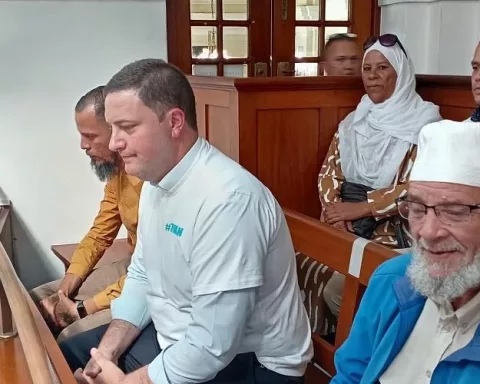
Even as officials handled the procedural aspects, the congregation sprang into action in its own unique ways. The Al-Azhar Masjied Committee partnered with the Madrassa Committee to review and upgrade security measures. Volunteers—many drawn from among the mosque’s regular attendees—took up positions at the entrances, quietly monitoring for anything unusual as parents instructed their children to remain close.
Conversations among elders turned to memories of previous challenges. District Six’s history remains ever-present; its streets echo with stories of strength in the face of adversity. In the 1960s, apartheid’s forced removals devastated the area, flattening homes and scattering families. Yet, the mosque endured those dark days, persisting as a symbol of hope and connection for those who returned. Today, its walls carry not only the physical marks of time but also the intangible weight of resilience that shapes its congregation.
Threats to places of worship, sadly, reflect a long and global history. Across eras and continents—from medieval Europe to modern Christchurch—sacred sites have attracted both devotion and hostility. In South Africa, where religious communities have stood at the forefront of resistance and healing, attacks on faith centers reverberate beyond their immediate targets. Each incident tests the fabric of social cohesion and the country’s commitment to tolerance and protection for all citizens.
Endurance, Art, and Solidarity
In the aftermath of the bomb threat, mosque leaders called on the public to remain watchful and to report suspicious activity. This appeal for collective vigilance draws on a longstanding tradition in Cape Town’s neighborhoods, where community safety is understood as a shared task. In earlier times, people exchanged information over fences and on stoops; now, WhatsApp groups and social media serve as the modern equivalents, helping neighbors look out for one another even as the nature of threats evolves.
The timing of the threat carried added significance. The mosque had recently reaffirmed its solidarity with the Palestinian people, a commitment expressed not only in public statements but in the prayers that reverberate through its domes each week. This sense of kinship with global struggles for justice enriches the mosque’s identity and deepens its connection to worshippers. Gamieldien’s call for relief and victory for the oppressed reflects values that transcend Cape Town, linking Al-Azhar’s story with those of distant communities confronting hardship.
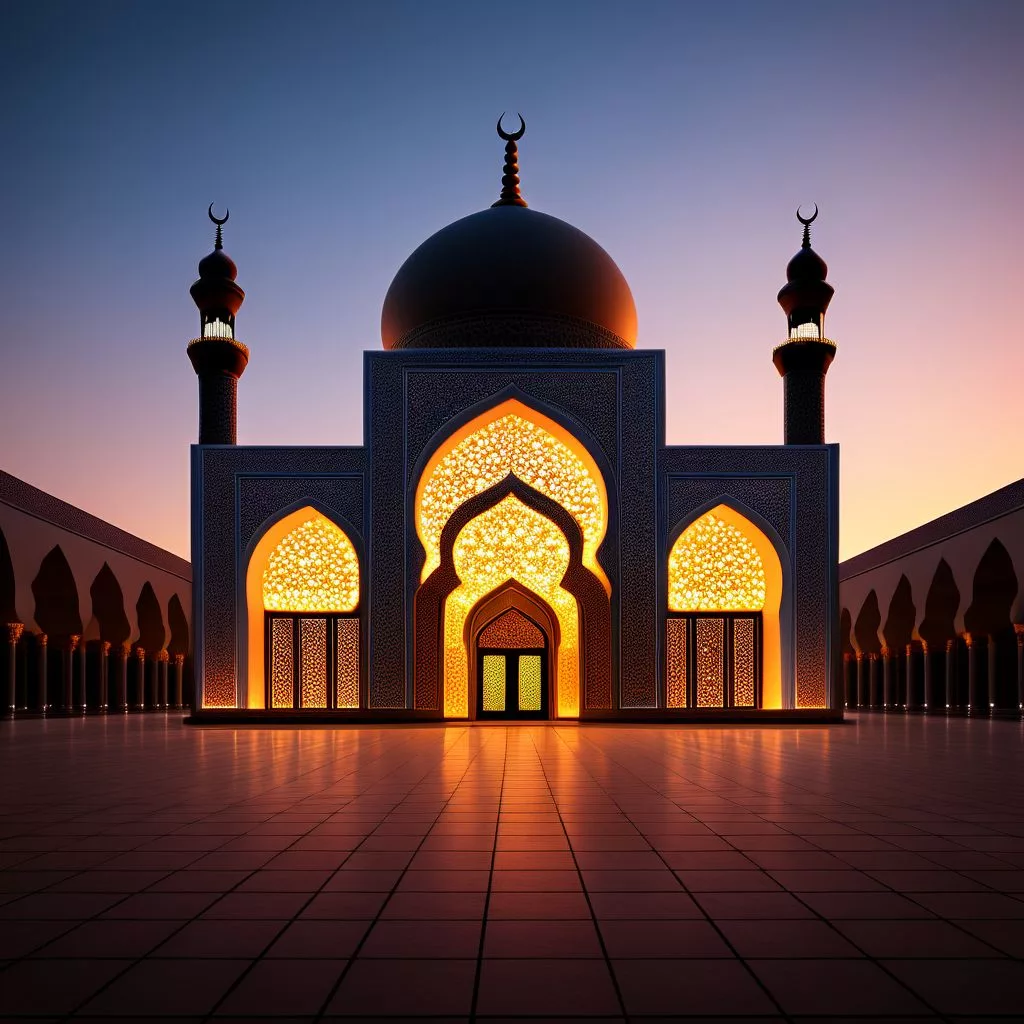
Al-Azhar Masjied itself is a work of art—its architecture blending North African motifs with local elements, its minaret rising as a marker of both faith and cultural fusion. Visitors often marvel at the intricate tilework and the blend of Ottoman and Capetonian influences, a visual reminder of centuries of exchange and adaptation. During the anti-apartheid movement, the mosque provided shelter to activists and stood as a forum for critical dialogue, embodying the prophetic tradition of speaking truth to authority.
Living Through Uncertainty
The new reality of digital threats complicates the work of keeping communities safe but also presents new avenues for resilience. Surveillance systems, coordinated volunteer networks, and instant communication allow for quicker, more effective responses. Nevertheless, the psychological impact lingers. The appearance of fear—subtle but persistent—has altered daily routines, influencing how worshippers gather and how leaders plan for security.
Despite this undercurrent of anxiety, daily life within the mosque persists with stubborn normalcy. The adhan still rings out five times each day, summoning the faithful to prayer. Children continue their studies at madrassa, their laughter and learning echoing in the courtyards. After prayers, elders linger to share news and tea, their conversations a quiet form of resistance to fear. These routines affirm the community’s determination to maintain its way of life, regardless of external pressures.
Many congregants voiced their resolve in the face of threats. One elderly man, prayer beads in hand, recalled surviving past struggles, including forced removals and apartheid itself. “We endured those trials, and we’ll weather this, too,” he insisted, his confidence reflecting the collective strength of District Six. In his words, the enduring spirit of Al-Azhar Masjied comes alive—an expression of faith, responsibility, and memory woven together.
Broader Reflections and Creative Responses
The recent ordeal shines a spotlight on the ongoing responsibility of the South African state to protect its religious minorities. The nation, long celebrated for its progressive Constitution and record of reconciliation, still confronts challenges in guaranteeing the safety and dignity of all its people. Incidents like this one serve as practical tests of institutional resilience and the true meaning of social harmony.
Artists and writers have often responded to threats against sacred spaces with acts of creative reclamation. Through murals, poetry, and music, communities heal and assert their right to gather in peace. In Cape Town, local artists are considering new works to celebrate Al-Azhar Masjied’s resilience, drawing inspiration from Islamic calligraphy and the dynamic visual language of township graffiti. These creative acts stitch together the wounds of the present with the hope of renewal.
The story of Al-Azhar Masjied, forged by adversity and sustained by hope, continues to develop. Each new challenge becomes integrated into the mosque’s living history, shaping the ways the community worships, organizes, and aspires. To those who gather here, the mosque stands as more than a mere structure: it is a vessel of memory, a bastion of solidarity, and a refuge for the resolute. In facing hardship, the people of District Six draw strength from their shared past, renew their bonds of faith, and move forward with unwavering determination.
What is the historical and cultural significance of Al-Azhar Masjied in District Six?
Al-Azhar Masjied is more than a place of worship; it is a historic spiritual sanctuary and cultural symbol embedded in the heart of District Six, Cape Town. For generations, it has provided peace, hope, and a sense of identity to a community that has endured profound hardship, including the forced removals during apartheid. The mosque’s architecture combines North African, Ottoman, and local Cape Town influences, making it an artistic landmark as well. Throughout its history, it has served as a refuge, a forum for critical dialogue, and a beacon of resilience for worshippers and the wider community.
How did Al-Azhar Masjied respond to the recent bomb threat?
When a bomb threat emerged from an anonymous online profile based in Miami, mosque leaders acted swiftly and decisively. They coordinated closely with local police, filed official reports, and increased security measures in partnership with the Madrassa Committee. Volunteers monitored entrances and maintained vigilance while keeping the community informed and calm. Public statements by mosque representatives reassured worshippers that safety was the top priority. This coordinated response highlighted a model of community resilience and cooperation with law enforcement in the face of modern, digitally-originated threats.
What role does the mosque play in fostering community safety and solidarity?
Al-Azhar Masjied draws on a longstanding tradition of collective vigilance common in Cape Town neighborhoods. Its leaders encourage congregants and the public to report suspicious activity, using modern communication tools like WhatsApp and social media to maintain neighborhood watch networks. The mosque acts as a communal hub where faith, cultural heritage, and mutual care intersect. It not only offers spiritual guidance but also strengthens social cohesion, helping healing and protection efforts amid ongoing challenges faced by religious minorities in South Africa.
How has the mosque adapted to the new realities of digital threats?
Digital threats like anonymous online bomb warnings have forced Al-Azhar Masjied and other places of worship to rethink security strategies. The mosque has implemented upgraded surveillance systems and organized volunteer networks to quickly detect and respond to potential dangers. Communication channels have expanded to include rapid messaging apps and social media to keep the community informed and united. While the psychological impact of these threats remains, the mosque balances vigilance with the continuation of daily religious and educational activities, preserving normalcy and faith.
In what ways does Al-Azhar Masjied connect local and global issues?
The mosque expresses solidarity not only within its local community but also with global struggles for justice. Recently, it reaffirmed its support for the Palestinian people through public statements and prayers. This kinship reflects values of compassion and resilience that transcend geographic boundaries. By linking District Six’s history of endurance with broader human rights causes, Al-Azhar Masjied enhances its identity as a place of hope, resistance, and interconnectedness.
How does art and culture contribute to the mosque’s response to adversity?
Artistic expression plays a vital role in healing and reclaiming spaces threatened by violence or fear. Inspired by Islamic calligraphy, North African motifs, and the vibrant visual traditions of Cape Town’s townships, local artists are planning murals and creative works celebrating the mosque’s resilience. These projects help transform trauma into renewal, creating public symbols of solidarity and hope. Throughout its history, Al-Azhar Masjied has been more than a religious site—it is a living cultural monument where faith and creativity merge to uplift the community.