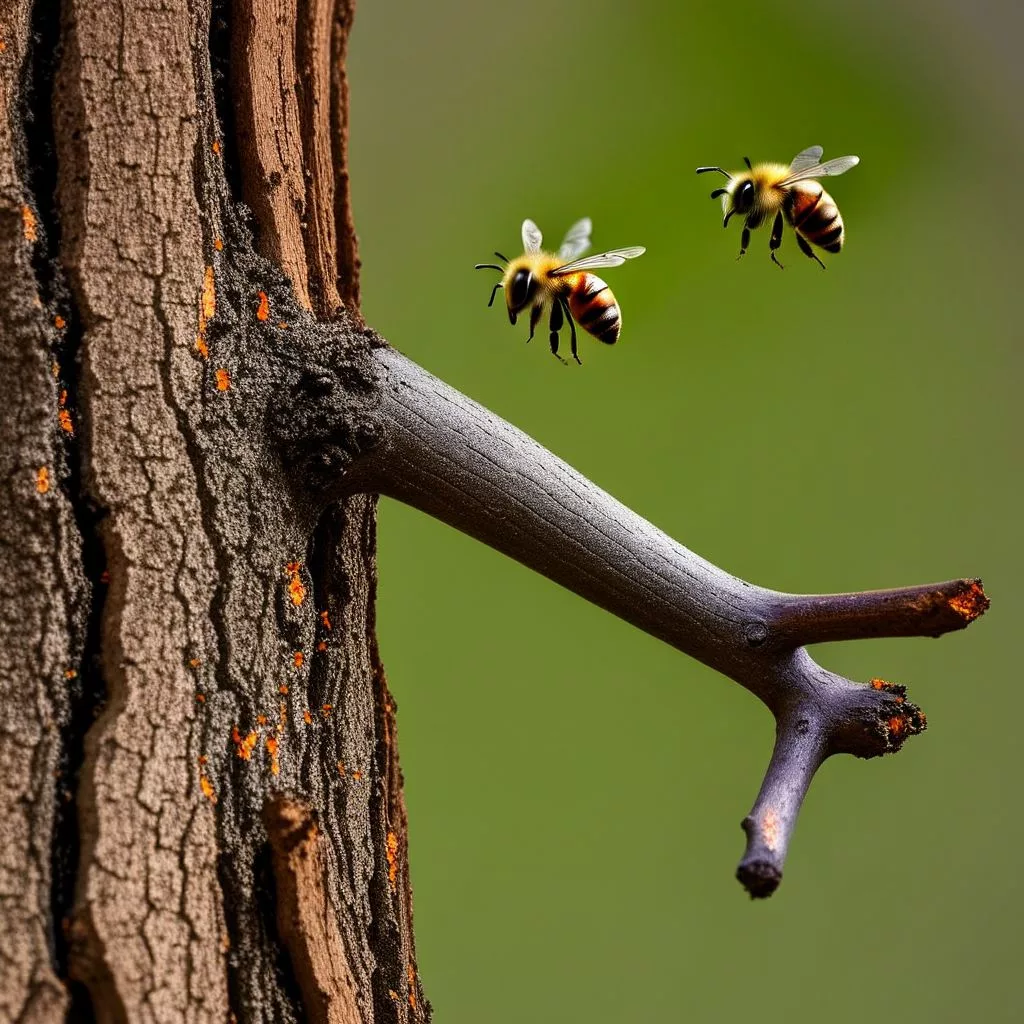
In 2017, fierce wildfires swept across South Africa’s Southern Cape, killing nearly 30 million Cape Honeybees and burning the wildflowers they rely on. Without flowers, many bees faced starvation, threatening the whole ecosystem that depends on their pollination. Communities came together, feeding the bees sugar syrup and rebuilding hives to help them survive. Slowly, with care and hope, the bees returned, bringing life back to the hills and reminding everyone how nature and people can heal after disaster.
How did the Southern Cape wildfires affect the Cape Honeybee population?
The 2017 Southern Cape wildfires devastated the Cape Honeybee, killing nearly 30 million bees and destroying crucial wildflower and fynbos habitats. This led to starvation risks, loss of pollination, and economic impacts. Community efforts focused on emergency feeding, hive restoration, and habitat renewal to aid recovery.
Inferno at the Edge of Africa
In early June 2017, the Southern Cape region of South Africa faced a crisis of staggering proportions. Wildfires swept through Knysna, Sedgefield, and Plettenberg Bay—towns cherished for their lush landscapes and lively communities. For days, firestorms scorched forests and neighborhoods alike, transforming vibrant habitats into bleak expanses of charred wood and ash. As the flames subsided, a haunting stillness replaced the everyday rhythms of life. Yet, among the many tragedies, one loss stood out for its unseen consequences: the decimation of the Cape Honeybee population.
Eyewitnesses described mornings blanketed by dense smoke, with sunlight filtering through in surreal, fiery tones. Streets that once echoed with laughter and activity fell silent, their natural beauty obscured by devastation. But the greatest impact unfolded away from public view, deep within the Cape Floral Kingdom. Here, bees function as both architects and caretakers, orchestrating the pollination that sustains thousands of plant and animal species. This intricate web—woven over millennia—relies on the Cape Honeybee as its linchpin.
The destruction of wildflower meadows and indigenous fynbos, South Africa’s unique shrubland, removed the very foundation upon which this ecosystem depended. The mass death of pollinators sent shockwaves through the region’s food chain, threatening not only honey production but also the survival of myriad species. Experts later estimated that nearly thirty million bees died in the inferno, a catastrophe with both economic and ecological repercussions. For local beekeepers, the fires marked the loss of ancestral livelihoods and a way of life passed down for generations.
Survival and Starvation: The Struggles of the Cape Honeybee
Despite the overwhelming damage, the Southern Cape’s environment revealed both vulnerability and resilience in the aftermath of disaster. As the embers cooled, some bees—dubbed trek swarms—emerged as survivors. These small, mobile colonies had avoided the flames but soon faced another, more subtle threat: starvation. The hillsides, once brimming with nectar and pollen, now offered little to sustain them. With no wildflowers or fynbos to forage, the bees found themselves in a race against time.
The Cape Honeybee, or Apis mellifera capensis, has evolved remarkable survival strategies suited to the region’s unpredictable climate. Even so, the magnitude of the habitat loss overwhelmed their natural adaptability. For the first time, beekeepers and conservationists feared that starvation might claim more bees than the wildfires themselves. The prospect of losing not only honey production but also critical pollination services spurred local organizations to action.
At this turning point, a sense of urgency united the community. People from all walks of life recognized the vital role bees play—far beyond producing honey. Pollinators ensure the regeneration of fynbos, support agriculture, and underpin the region’s biodiversity. Their fate became a communal concern, prompting both innovative and time-honored methods of intervention.
Human Hands and Hearts: A Collective Response
Recognizing the scale of the crisis, Gift of the Givers—a renowned humanitarian organization—expanded their disaster relief efforts to include environmental recovery. Their Environmental Bee Conservation team quickly mobilized, understanding that reviving bee populations was inseparable from restoring the entire local ecosystem. The group coordinated with Massmart, a major South African retailer, to secure large quantities of sugar for emergency feeding.
Volunteers and experts alike devised and distributed sugar syrups, providing essential energy for the weakened bees in the absence of natural nectar. They also supplied pollen substitutes to nurture colony health and support brood development—key to rebuilding bee populations. This rapid, hands-on strategy recalled historic campaigns, such as the British ‘Victory Gardens’ of World War II, which aimed to sustain both human and pollinator survival during times of scarcity.
The recovery effort soon evolved into a deeply collaborative project. Community members, including schoolchildren, artists, and longtime beekeepers, all found roles. Hundreds of hive kits were distributed to those who had lost their colonies in the fire. These new hives represented more than financial relief; they became symbols of resilience, hope, and a recommitment to the stewardship of nature. Veteran beekeepers, whose families had cared for hives for generations, worked tirelessly to rebuild—their efforts a blend of science, patience, and craft.
Renewal, Recovery, and the Long Road Ahead
True recovery for the Cape Honeybee unfolded slowly, advancing not in dramatic leaps but through years of careful stewardship. The unique adaptability of Apis mellifera capensis helped, but nature’s healing processes could not erase the trauma overnight. For at least two years, conservationists and volunteers maintained emergency feeding regimens, ensuring that bees had the resources needed to survive and rebuild their colonies. Meanwhile, initiatives like ‘Hope for the Honeybee’ emerged, raising public awareness and encouraging the planting of indigenous wildflowers throughout the region.
Education and outreach became central to the restoration effort. Schools incorporated bee-friendly gardening into their curricula, and local artists began to reflect the bees’ struggle and resilience in paintings, poetry, and sculpture. The return of bees brought about a resurgence of other life: fynbos species that depended on bee pollination began to recover, and the distinctive proteas once again flourished, their seeds dispersed by the very insects that had persevered against all odds. As bees returned, so did a chorus of birds and other wildlife, signaling a broader ecological renewal.
Over the years, the lessons learned from the Southern Cape disaster inspired new approaches to environmental stewardship. Local governments began integrating pollinator pathways into urban planning, nurseries offered discounts on indigenous plants to encourage bee-friendly gardens, and artisans celebrated bees in their products and designs. The Cape Honeybee population, once on the brink of collapse, rebounded—restoring not just the wild landscapes but also the farmlands and vineyards that sustain the region. The story of the bees became a testament to community, resilience, and the power of both innovation and tradition in the face of adversity.
Legacies of Fire and the Future of the Cape Honeybee
Today, eight years after the fateful wildfires, the Cape Honeybee stands as a symbol of both ecological and human endurance. Their flourishing numbers support not only the wildflowers and fynbos but also the fruit orchards, vegetable gardens, and vineyards that form the backbone of the Southern Cape’s agricultural economy. The pollination services they provide have stabilized local biodiversity, supporting a complex web of life across the region.
The recovery, however, is not without ongoing challenges. Issues such as pesticide use, continued habitat loss, and the broader impacts of climate change threaten pollinators worldwide. The aftermath of the fires has instilled a new sense of vigilance and responsibility in the region. Local councils now prioritize the creation of pollinator corridors, and educational campaigns continue to stress the importance of bees for food security and ecological health. Creative and economic initiatives—ranging from honey and beeswax products to public art—keep the bee at the forefront of community consciousness.
The Cape Honeybee’s resurgence echoes themes found in both natural history and literature: the Romantic poets wrote of renewal in the aftermath of catastrophe, and medieval monks once safeguarded bee colonies through war and plague. In the Southern Cape, today’s beekeepers carry forward that legacy, blending ancient wisdom with modern science to protect one of nature’s most indispensable workers. Walking the trails of the restored Garden Route, visitors now hear the unmistakable hum of bees—a living reminder that, even after devastation, the cycles of life and collaboration can reclaim and restore even the most damaged of landscapes. This ongoing story of recovery continues to shape the identity and future of South Africa’s southern coast, showing how hope and action can transform tragedy into renewal.
FAQ: Rising from the Ashes – The Cape Honeybee and the Southern Cape Wildfires
What impact did the 2017 Southern Cape wildfires have on the Cape Honeybee population?
The 2017 wildfires in South Africa’s Southern Cape tragically killed nearly 30 million Cape Honeybees and destroyed vast areas of wildflowers and fynbos, the critical habitat the bees rely on for nectar and pollen. This habitat loss put the bees at severe risk of starvation, disrupted pollination services, and threatened the entire regional ecosystem and agricultural productivity dependent on these pollinators.
How did communities and organizations help the Cape Honeybee survive after the fires?
In response to the crisis, communities, conservationists, and humanitarian groups like Gift of the Givers mobilized quickly to support the bees. They provided emergency feeding with sugar syrup and pollen substitutes to sustain weakened colonies. Volunteers distributed new hive kits to replace those lost in the fires, and local schools and artists got involved in raising awareness and promoting bee-friendly practices. This collective effort was crucial to preventing further starvation and helping the bee populations gradually recover.
What makes the Cape Honeybee (Apis mellifera capensis) unique in its survival abilities?
The Cape Honeybee has evolved remarkable adaptations to South Africa’s often unpredictable climate, such as forming “trek swarms”—mobile colonies capable of relocating to avoid danger. Despite these traits, the scale of habitat destruction in 2017 overwhelmed their natural defenses. Their adaptability, combined with human intervention, however, has been key to their slow but steady rebound over subsequent years.
What long-term measures have been taken to promote the recovery of the Cape Honeybee and the local ecosystem?
Long-term recovery initiatives include sustained emergency feeding for at least two years post-fire, planting indigenous wildflowers to restore foraging habitats, and educational programs in schools promoting bee-friendly gardening. Local governments now integrate pollinator corridors into urban planning, while nurseries encourage planting native flora with discounts. These efforts help rebuild the ecological web, supporting not only bees but also other wildlife and agricultural systems.
Why is the Cape Honeybee important for the Southern Cape’s biodiversity and economy?
Cape Honeybees are vital pollinators for the unique fynbos vegetation, wildflowers, and commercial crops like fruit orchards and vineyards. Their pollination services maintain biodiversity and directly support the region’s agricultural economy. Without healthy bee populations, many plant species would fail to reproduce, leading to cascading effects on wildlife and food security.
What ongoing challenges threaten the Cape Honeybee despite its recovery?
Despite significant progress, the Cape Honeybee still faces threats from pesticide exposure, ongoing habitat loss due to urbanization and agriculture, invasive species, and climate change impacts. Vigilance and continued conservation efforts are essential to protect these pollinators. The Southern Cape community remains committed to balancing development with ecological stewardship to ensure the bees—and the ecosystems they support—thrive into the future.