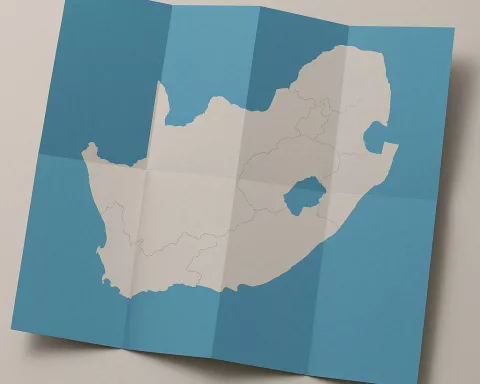
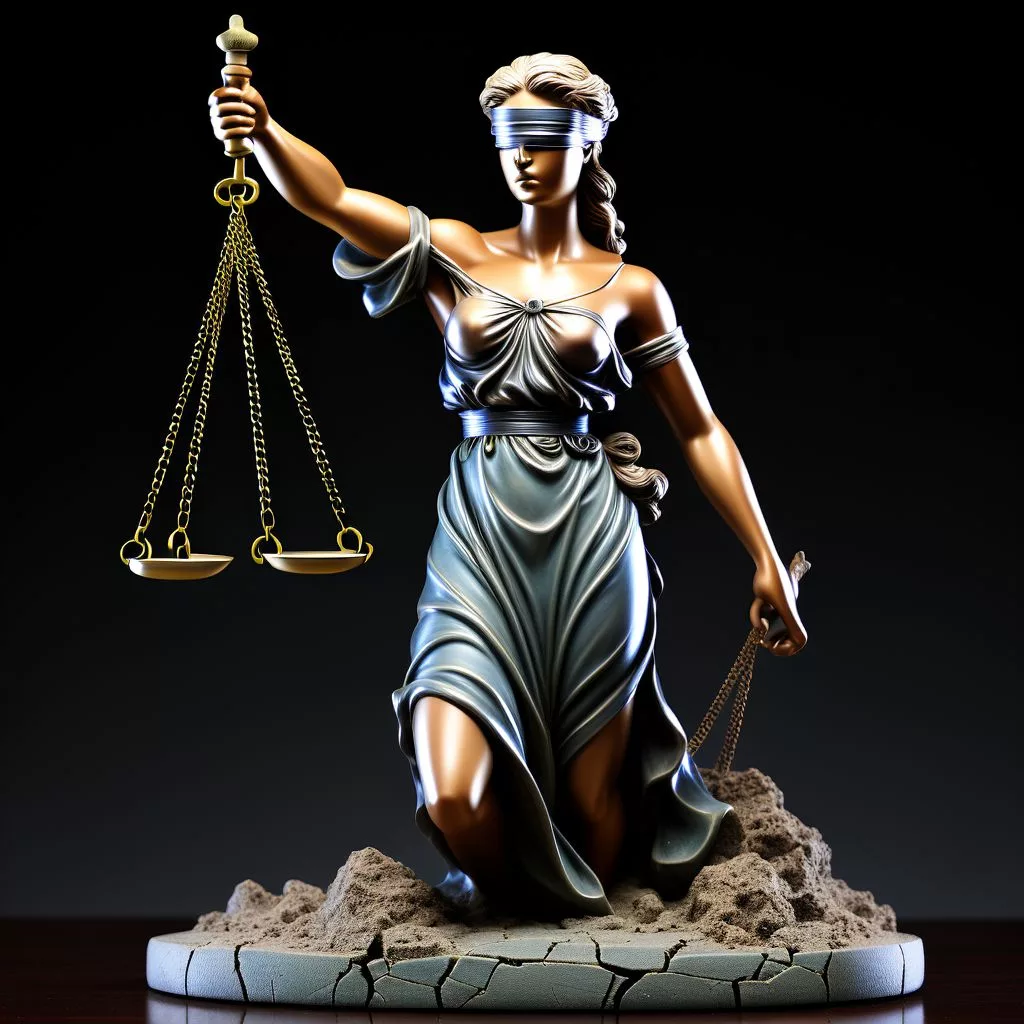
In South Africa, shocking claims have surfaced that some judges, police, and crime groups might be secretly working together. This has shaken people’s trust in the courts, which are supposed to be fair and protect democracy. Leaders are calling for clear investigations and honesty to restore faith. The situation is tense, but many hope that by facing the truth openly, South Africa can keep its promise of justice and fairness for all.
What are the implications of the recent allegations against South Africa’s judiciary?
The allegations of collusion involving judges, police, and crime syndicates have shaken South Africa’s trust in its judiciary. Key responses include:
– Calls for transparency and due process
– Parliamentary investigations and political accountability
– Emphasis on protecting judicial integrity to uphold constitutional democracy.
Unfolding Allegations and the Shockwaves Through Institutions
In early July 2025, South Africa found itself at the center of a storm that had nothing to do with the weather. Lieutenant-General Nhlanhla Mkhwanazi, recognized for his steady leadership within KwaZulu-Natal’s police force, went before the public with accusations that unsettled the entire nation. He described what he believed to be a network of collusion—judges, senior police officials, and organized crime syndicates working in concert. The seriousness of these allegations, presented without flourish but with unmistakable gravity, immediately resonated across the country’s institutions. South Africans, no strangers to the struggle for justice, recognized the historic weight of Mkhwanazi’s claims. They called to mind the country’s long journey from oppression to democracy, during which the integrity of public office has repeatedly been tested.
The nation’s judiciary, often idealized as a blindfolded guardian of fairness, issued a prompt and forceful response. The office of the Chief Justice called the allegations “extremely damaging,” warning that such claims could erode the public’s faith in the judicial system—a system that underpins the very fabric of South Africa’s constitutional democracy. This language, rooted in the values of thinkers like Montesquieu, reminded citizens that the separation and independence of powers are not just lofty ideals but vital safeguards for liberty. In South Africa’s context, such principles are more than theoretical—they are the hard-won outcome of a turbulent history.
Chief Justice Mandisa Maya spoke directly to both the gravity of the assertions and the importance of due process. She emphasized the judiciary’s commitment to their constitutional oath, underlining that the courts exist to uphold the rule of law, not undermine it. Her call to action was clear: if Mkhwanazi possessed credible evidence, he should present it to the correct authorities. This message highlighted a familiar tension in South African society—balancing the need for transparency with respect for established legal processes.
Political Ramifications and Parliamentary Response
The fallout from these explosive allegations extended quickly into the political arena. Lieutenant-General Mkhwanazi’s reputation for measured, principled action ensured that both the press and politicians took his claims seriously. Key political figures, including John Steenhuisen, leader of the Democratic Alliance (DA), lent weight to the commissioner’s words. Steenhuisen, who has observed Mkhwanazi’s career in KwaZulu-Natal for years, underscored the credibility of the police leader, dismissing any idea that he would make baseless claims. This expression of trust only deepened the sense of urgency throughout the political landscape.
In response, the DA filed criminal charges against Police Minister Senzo Mchunu, an action matched by similar complaints from the uMkhonto weSizwe (MK) Party. These moves signaled that the controversy had evolved beyond mere accusation, entering the realm of formal political accountability. Parliament, too, was quick to act. Speaker Thoko Didiza directed three parliamentary committees to investigate the matter, reinforcing the idea that legislative oversight must serve as a check on both the executive and the judiciary in turbulent times.
Yet, even as political mechanisms whirled into motion, the broader public remained acutely aware that the real issue was trust. South Africans have seen public faith in state institutions tested before—most notably during the recent era of state capture, when corruption seemed to permeate every facet of governance. The current situation, echoing past moments when the nation held its breath, feels like another test of democracy’s resilience. Ordinary conversations in homes and workplaces quickly gravitated toward questions of safety, justice, and trust in public officials. Stories of crime, court cases, and official misconduct, while often anecdotal, resonated more deeply in the shadow of Mkhwanazi’s claims.
Historical Echoes and the Question of Public Confidence
The intensity of the current debate cannot be understood without recalling similar crises in other democracies. Italy’s “Clean Hands” operation in the 1990s, which revealed deep networks of corruption, reminds observers that no nation is immune to the corrosive effects of scandal. In those cases, as in South Africa today, the most damaging consequence was not just legal but psychological: the erosion of public faith in institutions meant to protect and serve.
President Cyril Ramaphosa recognized the stakes and addressed the country in a rare Sunday evening broadcast. He called for restraint among officials, warning that public infighting could intensify cynicism and undermine the nation’s fragile sense of justice. Ramaphosa, known for his cautious and deliberative approach, now faces the challenge of balancing accountability with the need to maintain the legitimacy of the judiciary and police. His every step is being closely watched, both domestically and by international partners who see South Africa as a beacon of constitutionalism and democratic values on the continent.
The role of the Judiciary Service Commission and Magistrates Commission has come into sharp focus. These bodies, established to investigate and discipline members of the judiciary, stand as evidence of the country’s commitment to accountability. Their effectiveness, however, hinges not just on their actions but also on the belief that their processes are fair and transparent. Chief Justice Maya’s statement carefully reinforced this point: while defending the integrity of the courts, she made clear that any credible evidence of wrongdoing would be thoroughly investigated and, if necessary, prosecuted. This stance signaled a willingness to confront hard truths without sacrificing the principle of due process—a delicate balance that South Africa, with its unique history, understands intimately.
Culture, Commentary, and the Road Ahead
Across the country, artists, commentators, and ordinary citizens have begun to process the unfolding drama through a rich tapestry of cultural expression. Murals, editorial cartoons, and call-in shows dissect the crisis daily, providing both commentary and catharsis. South Africa’s long tradition of critical engagement—born from decades of resistance to apartheid and injustice—finds new voice amid today’s uncertainties. These creative responses serve as both an outlet for frustration and a call for vigilance, reminding the nation that the battle for truth and integrity never truly ends.
Political parties have become key actors in shaping how the public perceives the crisis. Support for Mkhwanazi from both established and emerging parties illustrates the unpredictable and fluid nature of South African politics. In this environment, public demands for transparency and accountability transcend old party lines. The debate is no longer about political rivalry but about the fundamental question of whom the public can trust to uphold justice.
As the dust slowly settles, and as investigations proceed, the final word has yet to be written. The judiciary’s pledge to serve all people with impartiality and integrity echoes South Africa’s deepest aspirations. These words, rooted in centuries of legal tradition and enshrined in the 1996 Constitution, are now being tested in the crucible of public scrutiny. Whether trust will survive intact depends not just on the outcome of legal proceedings but on the willingness of all parties—officials, politicians, citizens—to insist on openness, rigor, and unwavering commitment to justice.
South Africa’s experience, forged in the fires of history, offers lessons for every democracy. The true measure of a society lies not in the absence of scandal but in the strength and transparency with which it confronts its own shadows. At this critical juncture, the nation stands poised between anxiety and hope—a testament to the enduring challenge of building and maintaining public trust in the institutions that safeguard freedom.
FAQs: Shadows and Light – Allegations, Integrity, and the Fragile Trust in South Africa’s Judiciary
1. What are the recent allegations involving South Africa’s judiciary and law enforcement?
In early July 2025, Lieutenant-General Nhlanhla Mkhwanazi publicly alleged that a network of collusion exists among some judges, senior police officials, and organized crime syndicates. These claims suggest secret cooperation aimed at undermining justice and democracy. The allegations have caused a national crisis of trust in institutions that are supposed to be impartial and uphold the rule of law.
2. How have South Africa’s judiciary and political leaders responded to these allegations?
The judiciary, led by Chief Justice Mandisa Maya, condemned the allegations as “extremely damaging,” emphasizing the need for due process and urging Mkhwanazi to present any credible evidence to the proper authorities. Politically, opposition parties like the Democratic Alliance have taken the claims seriously, filing criminal charges against the Police Minister and pushing for parliamentary investigations. Multiple parliamentary committees have been tasked with investigating the matter, reflecting the political system’s engagement in maintaining accountability.
3. What are the wider implications of these allegations for South Africa’s democracy?
These allegations strike at the heart of public trust in South Africa’s constitutional democracy. The judiciary is a cornerstone of democracy, and any perceived compromise threatens the separation of powers and rule of law. The controversy raises concerns reminiscent of the state capture era, where corruption deeply eroded faith in governance. The situation challenges South Africans to balance transparency with respect for legal processes, underscoring the fragile nature of institutional integrity.
4. What role do oversight bodies like the Judiciary Service Commission play in this crisis?
The Judiciary Service Commission and the Magistrates Commission are independent bodies tasked with investigating and disciplining members of the judiciary. Their role is crucial in ensuring accountability while protecting judicial independence. The effectiveness of these bodies depends on their transparency and fairness, which the public must trust. Chief Justice Maya has reiterated that credible evidence of wrongdoing will be thoroughly investigated through these channels.
5. How has the public and cultural sphere reacted to the allegations and ensuing crisis?
South Africans have responded with an outpouring of cultural expression — including murals, cartoons, and media commentary — that reflects frustration and calls for vigilance. These artistic and public discussions are part of a long tradition of engagement with political and social issues in the country. The crisis has sparked a nationwide conversation about justice, transparency, and the integrity of public institutions, transcending political affiliations.
6. What are the next steps for South Africa in addressing these allegations and restoring trust?
The path forward involves thorough investigations by parliamentary committees and judicial oversight bodies, combined with responsible political leadership. President Cyril Ramaphosa has urged restraint and unity to prevent further cynicism. Ultimately, rebuilding trust requires openness, adherence to the rule of law, and cooperation among officials, politicians, and citizens. South Africa’s history of overcoming past injustices provides a foundation of hope that transparency and integrity can prevail.
If you want to learn more about South Africa’s judiciary or the rule of law, numerous resources are available through legal institutions and international democracy watchdogs.