
The timbuktoo Creative Hub in Cape Town’s District Six is Africa’s first creative-tech center, offering free spaces, mentorship, and digital tools to young artists and entrepreneurs. It turns a place once marked by hardship into a lively hub where creativity and technology meet, sparking new ideas and teamwork. Here, people from across Africa come together to learn, create, and build businesses, all inspired by their rich culture and shared dreams. This vibrant space shines as a bright new chapter for District Six and a hopeful example for the whole continent.
What is the timbuktoo Creative Hub in Cape Town’s District Six?
The timbuktoo Creative Hub is Africa’s first creative-technology center, founded by the UNDP in Cape Town’s District Six. It offers free workspaces, mentorship, and digital resources to empower young African artists, designers, and entrepreneurs, fostering innovation through collaboration and cultural heritage.
A New Era in a Storied Place
Cape Town’s District Six, long recognized for its poignant history and cultural resilience, now welcomes a bold chapter in its ongoing story. The Homecoming Centre, a landmark previously known for hosting the acclaimed Athol Fugard Theatre, has transformed into a vibrant home for a groundbreaking venture: Africa’s inaugural creative-technology hub. Launched by the United Nations Development Programme (UNDP), this initiative does more than provide a workspace; it forges a dynamic intersection where art, technology, and community ambition converge.
Walking through the Homecoming Centre today, you’ll encounter an atmosphere charged with possibility. Young designers, animators, musicians, and writers gather in sunlit rooms, their laptops alight with cutting-edge projects. Their energy signals more than personal advancement—it marks the rise of a new creative economy for Africa, one inspired equally by tradition and innovation. The space, now known as the timbuktoo Creative Hub, stands as a central pillar in the UNDP’s larger mission to support Africa’s startup ecosystem through regional innovation centers.
The decision to root this hub in District Six carries deep significance. Once a symbol of forced displacement under apartheid, the area now reinvents itself as a beacon of hope and transformation. This location reflects the spirit that animates the hub—a spirit that challenges exclusion, shatters geographic and economic boundaries, and champions the untapped potential of African youth.
An Open Platform for Creative Talent
One of the timbuktoo Creative Hub’s defining features is its radical accessibility. The centre welcomes not only local artists and entrepreneurs but also visionaries from across the continent. Its doors stay open to anyone with a creative drive, eliminating the financial barriers that often stifle innovation in Africa. Free workspaces and unlimited internet access allow young creators to focus on their craft without the distractions of rent or connectivity costs.
Lara Rosmarin, who heads Entrepreneur Development at UVU Accelerate, articulates the hub’s mission to bridge Africa’s longstanding gap between talent and opportunity. By removing common obstacles, the hub enables creative minds to flourish. The model acknowledges the reality faced by many: raw inspiration loses momentum when basic resources remain out of reach. In these communal spaces, creators can devote their energy to developing new ideas, unconstrained by logistical concerns.
The hub’s approach extends far beyond simply providing infrastructure. Its programming addresses the evolving needs of Africa’s creative sector, which spans fashion technology, animation, music production, and immersive digital experiences such as augmented and virtual reality. Sector-specific mentorship and practical workshops empower participants to master both traditional and emerging disciplines, equipping them for the demands of the global economy. The presence of an entrepreneur-in-residence offers hands-on guidance, transforming creative sparks into sustainable business ventures.
Collaboration, Community, and Global Vision
The timbuktoo Creative Hub thrives on collaboration. Here, the boundaries between disciplines blur, giving rise to new artistic forms and business models. A budding fashion designer might experiment with digital fabrication, while a music producer learns to craft immersive soundscapes. Workshops on digital skills and entrepreneurship prepare participants for the fast-changing marketplace, while regular events—pitch nights, exhibitions, and live performances—foster an environment of shared learning and inspiration.
Success stories already emerge from the hub’s early days. A young animator, previously struggling to find affordable studio space, now works alongside peers who challenge his creativity. A singer-songwriter who once recorded tracks in a makeshift home studio now collaborates with digital producers from Lagos and Nairobi. These connections—once rare and difficult to create—are now part of daily life at the hub, fueling cross-border projects and inventive partnerships.
Behind these vibrant encounters is a coalition of organizations that recognize the importance of partnership. The founding team—comprising the UNDP, the Western Cape Department of Economic Development and Tourism, UVU Africa, the Craft and Design Institute, and youth media platform Snake Nation—melds public resources, private expertise, and grassroots insight. Their collective vision acknowledges that nurturing Africa’s creative industries requires more than funding; it demands an ecosystem built on trust, shared purpose, and a willingness to experiment.
From Margins to Mainstream: Shaping the Future
Africa’s creative industries have long operated at the edges of the mainstream economy, hindered by a lack of infrastructure, limited training opportunities, and a funding landscape that often prioritizes extractive sectors over cultural ones. The timbuktoo Creative Hub stands in direct response to these challenges, offering not just a physical space but also a supportive network and targeted technical assistance.
The model draws inspiration from historic centers of creative innovation: the bustling studios of Montmartre in nineteenth-century Paris, the buzz of Andy Warhol’s Factory in 1960s New York. Yet, what emerges in Cape Town reflects a distinctly African sensibility, blending deep-rooted heritage with the digital innovations shaping the twenty-first century. The hub’s success is evident in the overwhelming interest it has generated—over 280 applications for its Creative Accelerator programme speak to the city’s pent-up creative energy eager for recognition.
Conversations with early participants reveal the transformative power of the hub’s approach. Many highlight the importance of community—the way proximity to other passionate creators sparks new ideas and fuels ambition. Artists, technologists, and entrepreneurs mingle and learn from one another, echoing the collaborative spirit of Renaissance workshops and Bauhaus collectives. In this environment, creativity ceases to be a solitary pursuit and instead becomes a shared engine for cultural and economic advancement.
A Blueprint for Continental Transformation
District Six’s legacy—a story of hardship transformed into hope—serves as a fitting backdrop for the hub’s ambitions. Africa’s creative economy already contributes billions to GDP and sustains millions of livelihoods, from filmmakers in Nollywood to fashion designers in Dakar. Yet, industry veterans frequently cite the absence of systemic support. The timbuktoo Creative Hub addresses this void, providing an ecosystem where talent, training, and technology intersect to nurture both individual careers and broader industry growth.
The vision extends beyond Cape Town’s borders. Organizers and participants express hope that this model will inspire similar initiatives across Africa, each tailored to local contexts yet unified by a commitment to creativity as a catalyst for progress. The hub’s multi-pronged approach—merging mentorship, resources, and community—serves as a template for others seeking to unlock the continent’s creative potential.
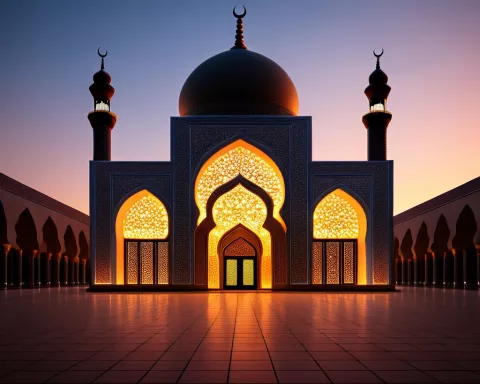
As evening settles over Cape Town and lights flicker across the city, the Homecoming Centre glows with activity. Young innovators sketch, code, and compose—no longer isolated, but supported by an infrastructure designed for their success. In anchoring itself in both historic struggle and forward-looking optimism, the timbuktoo Creative Hub offers a compelling vision of what is possible when communities choose to invest in imagination and invite the world to share in their journey.
What is the timbuktoo Creative Hub in Cape Town’s District Six?
The timbuktoo Creative Hub is Africa’s first creative-technology center, established by the United Nations Development Programme (UNDP) in Cape Town’s historic District Six. It provides free workspaces, mentorship, and digital resources to young African artists, designers, and entrepreneurs. The hub fosters innovation by blending creativity with technology, supporting collaborative ventures inspired by Africa’s rich cultural heritage.
Why was District Six chosen as the location for the timbuktoo Creative Hub?
District Six holds deep historical significance as a symbol of forced displacement under apartheid, paired with remarkable cultural resilience. Transforming this area into a creative-tech hub symbolizes hope and renewal. The location reflects the hub’s mission to break down barriers—economic, geographic, and social—and empower African youth to reclaim their narrative through innovation and collaboration.
Who can access the timbuktoo Creative Hub, and what facilities are available?
The hub is open to young artists, entrepreneurs, and creatives from across Africa, regardless of their background or financial means. It offers free workspace, unlimited internet access, mentorship programs, workshops, and access to digital tools spanning sectors such as fashion technology, animation, music production, and immersive digital experiences like AR and VR. This open-access model removes common barriers that often limit creative development.
How does the timbuktoo Creative Hub support entrepreneurship and skill development?
Beyond providing infrastructure, the hub runs practical workshops, sector-specific mentorship, and an entrepreneur-in-residence program. These initiatives help participants develop business skills, navigate the global market, and transform creative ideas into sustainable ventures. Regular events such as pitch nights, exhibitions, and live performances foster networking and real-world experience.
What kind of collaborations and partnerships drive the success of the hub?
The timbuktoo Creative Hub is a collaborative effort between the UNDP, the Western Cape Department of Economic Development and Tourism, UVU Africa, the Craft and Design Institute, and youth media platform Snake Nation. This coalition combines public resources, private sector expertise, and grassroots knowledge, creating an ecosystem that nurtures creativity and innovation on multiple levels.
How does the timbuktoo Creative Hub impact Africa’s creative economy and future?
By addressing infrastructure gaps, offering training, and building a supportive community, the hub helps integrate Africa’s creative industries into the mainstream economy. It serves as a blueprint for similar initiatives across the continent, aiming to unlock the vast creative potential of African youth. The hub’s success is already evident in the demand for its programs and the inspiring stories of cross-border collaborations, positioning District Six as a beacon for continental transformation.