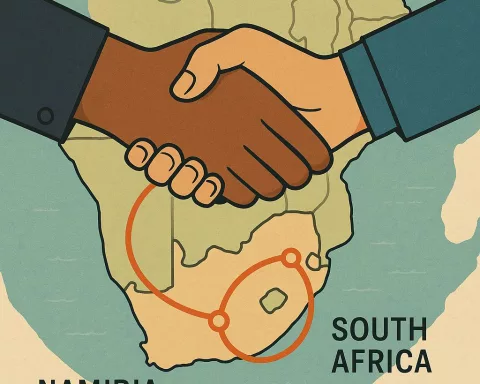
South Africa is saying goodbye to the old green ID book because it’s easy to fake and not safe enough for today’s digital world. The country is switching to smart ID cards and digital IDs that use biometric technology, making identity safer and easier to use. Banks are helping by offering new ID services, so soon people can apply online or at their local branch. By 2029, all South Africans are expected to have these new digital IDs, marking a big step toward a modern, secure future. This change is about keeping everyone safe while making sure no one gets left behind.
Why is South Africa phasing out the green ID book for digital identity?
South Africa is replacing the green ID book due to its high fraud risk—five times greater than smart ID cards—and limitations in a digital age. The transition to smart cards and digital IDs improves security, convenience, and accessibility through biometric technology and partnerships with banks, aiming for nationwide coverage by 2029.
The Green ID Book: A Pillar of National Life
For generations, South Africans have relied on the green barcoded ID book as both a practical tool and a symbol of citizenship. Its forest-green cover, instantly recognisable throughout the country, opens doors at banks, government agencies, and voting stations. Each booklet quietly accumulates a personal history, with marriage records, address changes, and name amendments inked onto its pages. The green ID book became part of the national fabric—marking milestones and granting access to essential services. For many, its style evoked an era of meticulous record-keeping, echoing the old European tradition of cataloguing citizens’ lives with carefully stamped and handwritten documents.
The green ID book’s legacy stretches back to the apartheid era, evolving alongside South Africa’s own journey to democracy. Owning this document has long marked the passage into adulthood, as much a rite of passage as holding a driver’s license in the United States or a National Insurance card in the UK. It became an artifact that both empowered citizens and reminded them of the state’s reach into everyday life.
However, as the country advanced, the green book’s limitations became more pronounced. Paper-based systems, once seen as thorough and reliable, could not keep pace with the demands of a digital society. The nostalgia for this little booklet persists, but the realities of modern bureaucracy and rising threats of identity fraud have made its retirement inevitable.
Security Risks and the Push for Change
Home Affairs Minister Leon Schreiber, during his 2025/26 budget address, delivered a sobering assessment of the green ID book’s vulnerabilities. He pointed out that the old booklet is five times more susceptible to fraud compared to the newer smart ID cards. “It must go,” Schreiber emphasized in Parliament, aligning himself with growing calls for a more secure, modern solution. The Department of Home Affairs wasted no time: the production of green ID books will cease, hastening a transition that began with the smart card’s introduction in 2013.
The rationale driving this shift goes well beyond numbers. As society digitised, criminals exploited the weak points in traditional identification systems. The green ID book, designed for a different era, offered little defense against tampering or counterfeiting. With identity theft growing into a worldwide crisis, the inadequacies of paper documents became impossible to ignore. Schreiber’s statistic—a 500% higher risk—crystallised the urgency, making it clear that the move away from the green book is not just about efficiency, but about defending the integrity of every citizen’s identity.
South Africa’s transition mirrors global trends. Governments everywhere are moving towards digital identity systems, seeking to balance convenience, security, and privacy. Contemporary thinkers, such as Shoshana Zuboff, have highlighted how digitalisation shapes governance. By phasing out the green ID book, South Africa joins a cohort of nations seeking to protect citizens with advanced, technology-driven solutions.
Overcoming Obstacles: Infrastructure, Partnerships, and Innovation
Despite broad consensus on the benefits, the transition faces tangible challenges. A significant number of Home Affairs offices—101 out of 348—still lack the equipment needed to issue smart ID cards. Financial constraints hamper the expansion of new systems, and Minister Schreiber has not shied away from acknowledging these hurdles. “If we wait for money to upgrade every office, we’ll wait forever,” he candidly remarked. Instead of letting these obstacles delay progress, the department is forging creative partnerships with commercial banks.
By March 2026, the government expects to increase the number of bank branches offering smart ID cards from 30 to 130. This strategy capitalises on South Africa’s advanced banking sector, which has pioneered everything from biometric security to mobile banking. Soon, South Africans will be able to apply for smart ID cards and passports directly through their banking apps, opt for home delivery, and benefit from advanced facial recognition technology. This approach not only streamlines the process but also places South Africa among a select group of countries leveraging digital platforms for secure identity management—drawing comparisons to Estonia’s e-Residency initiative, which revolutionised digital citizenship in Europe.
The government’s ambition doesn’t stop at smart cards. Schreiber revealed plans for a fully digital ID system, aiming for every citizen and permanent resident to possess a smart ID card by 2029. Only then will digital identity documents—accessible through phones and computers—become a reality. In this emerging model, identification exists not in a wallet but as encrypted data, designed to be both accessible and nearly impossible to forge.
Charting the Future: Policy, Global Reach, and Social Impact
The rollout of digital identities demands thoughtful policy and public consensus. The Department of Home Affairs intends to present a new Digital ID Policy to Cabinet soon, sparking a period of public consultation. This democratic process will allow South Africans to debate critical issues: how to balance security with privacy, how to ensure everyone can access new systems, and how to prevent the exclusion of vulnerable groups. These conversations echo international debates on digital identity, from the European Union’s eIDAS framework to India’s Aadhaar program. In South Africa, where histories of exclusion run deep, these questions carry extra weight.
The move to digital identity brings hope for expatriates as well. Historically, South Africans living abroad have endured long waits—sometimes over a year—for identity documents. The new international strategy promises dramatic improvements, with dedicated facilities opening by July 2025 in Australia, New Zealand, and the UAE, and further expansion planned for European and North American locations. The turnaround time for new IDs and passports will shrink to just five weeks, reflecting both technological advances and a renewed commitment to serve the diaspora.
Transitioning from paper to digital identities is more than a technical upgrade; it signals a wider societal transformation. The shift resonates with Walter Benjamin’s reflections on how the reproducibility of objects—like art, or, in this case, an ID—changes their significance. Where the green ID book once stood as a unique artifact, identification now relies on encrypted data and secure digital systems.
Adapting to Change: Stories, Challenges, and the Road Ahead
On the ground, South Africans are experiencing the change in diverse ways. Some complain about long lines at Home Affairs, while others praise the immediacy of biometric kiosks in selected banks. In Johannesburg, a young entrepreneur described the surreal ease of applying for a passport through a banking app—a process that previously took hours now finishes in minutes. Meanwhile, many older South Africans, attached to the familiarity of their green books, express concerns about keeping up with digital technology. Their anxieties reflect broader fears about digital exclusion, especially in a country where access to technology remains unequal.
These stories, whether of frustration or enthusiasm, echo the global experience of digital transformation. The COVID-19 pandemic accelerated digitisation worldwide, prompting governments to move public services online and rethink how citizens interact with the state. In South Africa, the shift to smart IDs fits into this larger tapestry—alongside initiatives like digital tax filing, remote access to benefits, and even online voting. Each step invites new debates about cybersecurity, fairness, and what it means to be a citizen when identity lives in the cloud rather than in your pocket.
Yet, South Africa’s journey carries its own unique narrative. The country’s history of division and reconciliation gives special significance to the replacement of the green ID book. This small booklet, once a tool of both inclusion and exclusion, now gives way to smarter, more secure, and potentially more inclusive technology. As South Africa steps forward, it faces the challenge of bridging the digital divide, ensuring that every citizen—whether in a rural village or abroad—can participate fully in the nation’s life.
The end of the green ID book era marks more than an administrative update. It reflects how a country can honor its history while embracing innovation, striving to build a future where identity is both secure and accessible. The success of this transformation will depend not just on technology, but on the collective effort to ensure that no one is left behind in the new digital age.
What is replacing the green ID book in South Africa and why?
South Africa is replacing the traditional green ID book with smart ID cards and digital IDs that use biometric technology. This change is driven by the green ID book’s high vulnerability to fraud—it is five times easier to fake than smart cards—and its inability to meet the security and convenience demands of the digital era. The new digital identity system offers enhanced security, easier access, and the ability to apply online or through banks, aiming for full nationwide coverage by 2029.
Why is the green ID book being phased out now?
The green ID book, a longstanding symbol of South African identity, dates back to the apartheid era and was designed for a pre-digital world. Its paper-based format makes it susceptible to tampering and counterfeiting, posing a serious security risk in today’s environment of growing identity theft. The government, led by Home Affairs Minister Leon Schreiber, has highlighted these risks and accelerated the transition to smarter, more secure digital IDs to protect citizens and improve service delivery.
How will South Africans obtain their new smart ID cards?
The Department of Home Affairs is expanding the issuance of smart ID cards through a combination of upgraded government offices and strategic partnerships with banks. By March 2026, the number of bank branches offering smart ID card services is expected to grow from 30 to 130. Citizens will be able to apply online, at bank branches, or via mobile apps, benefiting from features like facial recognition and home delivery. This multi-channel approach aims to make the transition smooth and accessible for all South Africans.
What challenges does South Africa face in rolling out digital IDs?
Key challenges include infrastructure deficits—many Home Affairs offices still lack the necessary equipment—and financial constraints hindering widespread upgrades. Additionally, there are social challenges such as digital exclusion, especially for older citizens or those in rural areas without reliable internet access. To overcome these hurdles, the government is leveraging partnerships with banks and focusing on inclusive policies to ensure no one is left behind during the digital transformation.
What is the timeline for the full transition to digital identities?
The government plans for every South African citizen and permanent resident to have a smart ID card by 2029. This milestone will also mark the rollout of fully digital IDs accessible via phones and computers, replacing physical cards with encrypted digital identity data. The phased rollout includes expanding bank branch services by 2026 and introducing international application centers abroad by mid-2025 to better serve the diaspora.
How will digital IDs impact South Africans living abroad?
South Africans overseas have historically faced long waits for identity documents. The digital ID initiative aims to drastically reduce this timeframe by opening dedicated application centers in countries such as Australia, New Zealand, and the UAE by July 2025, with plans to expand to Europe and North America. These centers, combined with online application options, will reduce processing times to about five weeks, making it faster and easier for expatriates to obtain secure identity documents.