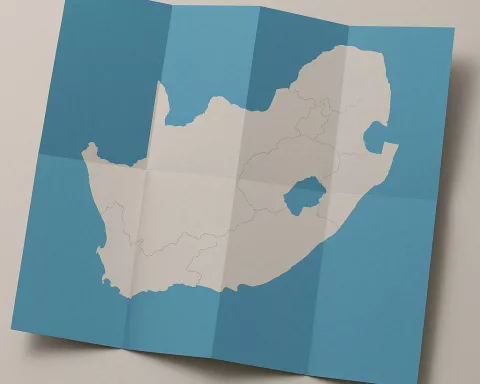
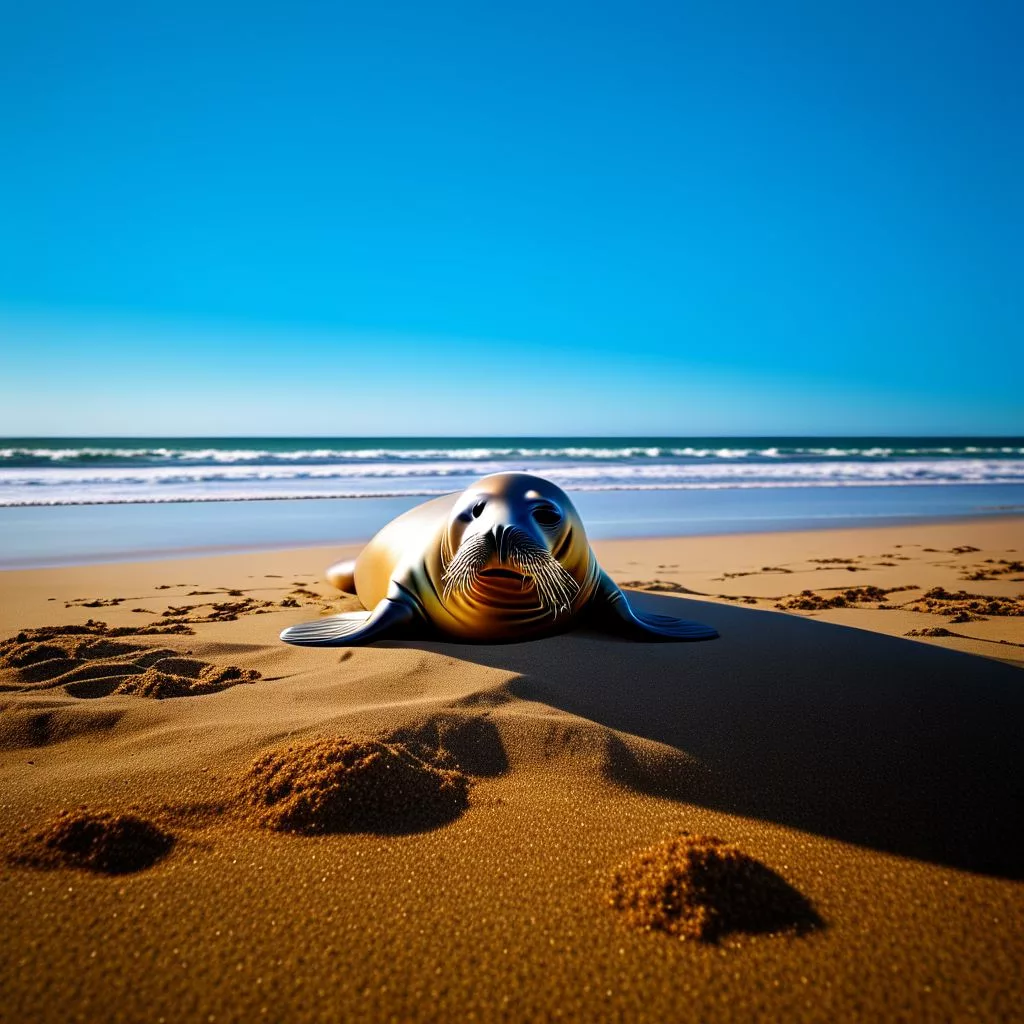
Columbo is a young southern elephant seal who surprised everyone by visiting Victoria Bay, South Africa. His rare appearance drew lots of attention and sparked a strong community effort to protect him and his kind. People learned to keep their distance and respect wildlife, showing how a town can come together to care for nature. Watching Columbo rest and play gave everyone a special chance to see the wild ocean life up close. His visit reminds us how important it is to protect animals and live in harmony with the natural world.
Who is Columbo the southern elephant seal and why is his visit to Victoria Bay important?
Columbo is a young southern elephant seal visiting Victoria Bay, South Africa. His rare arrival highlights the species’ remarkable migration, prompts community-led conservation efforts, and raises awareness about protecting marine wildlife through legal safeguards and respectful public engagement.
A Remarkable Arrival on a Chilly Morning
As dawn broke one brisk June day at Victoria Bay, a salty breeze from the Indian Ocean carried hints of anticipation among the first walkers. Amid the familiar silhouettes of surfers and beachcombers, an extraordinary newcomer captured every gaze—a massive southern elephant seal. Quickly named Columbo by local conservationists, he immediately stood out from the usual Cape fur seals by both sheer size and commanding aura. His decision to come ashore at this popular spot set off a wave of curiosity, concern, and rapid mobilization among residents and authorities alike.
This was not Columbo’s first appearance along South Africa’s dramatic southern coastline. Local records show his initial sighting near Pinnacle Point, Mossel Bay, back in November 2023. Since then, he has returned to Victoria Bay several times, each visit drawing bigger crowds and closer observation. His current stay, which began on June 3rd, has lasted the longest. Weighing about half a ton and stretching the length of a compact car, Columbo’s presence is impossible to miss. A telltale white patch over his left eye and a green tag marked “0196” on his flipper make him easy to spot and track.
Columbo’s journey harks back to the legendary migrations that once captivated naturalists like Charles Darwin, who marveled at the adaptability and endurance of such creatures. Southern elephant seals—Mirounga leonina—breed and rest on remote sub-Antarctic islands like Marion and Gough. For a young male, estimated at just four or five years old, reaching the South African coast means venturing far from his birth colony. Columbo’s travels highlight the formidable range of his species and their capacity to explore new environments.
The Community Rises to the Challenge
News of Columbo’s arrival spread quickly, prompting a swift response from local teams. The George Municipality, together with the Department of Forestry, Fisheries and the Environment, and the Stranding Marine Animal Rescue Team (SMART), wasted no time in issuing clear, urgent guidelines. They asked everyone to keep a respectful 20-meter distance from the seal, ensure that dogs remained leashed, avoid touching, feeding, or approaching him too closely, and to report any breaches of these rules.
Despite warning signs and the visible presence of SMART volunteers patrolling the beach, the lure of an encounter proved too strong for a handful of visitors. On one occasion, an individual disregarded all advice and got too close, prompting Columbo to react defensively—baring his teeth and lunging in a clear warning. These moments serve as crucial reminders of the tightrope walked between human fascination and the safety of both people and wildlife. Such incidents echo broader challenges conservationists face worldwide: how to balance the public’s desire for connection with wild animals against the need to protect both parties.
SMART volunteers patrolled the area daily, educating the public and keeping a watchful eye on Columbo’s health and well-being. Each evening, a security guard took over, highlighting the shared sense of responsibility that comes with hosting such a guest. This commitment goes beyond simple procedure—it reflects a deep-seated culture of conservation along the Garden Route, an ethos shaped by past environmental leaders like Ian Player.
A Glimpse Into Elephant Seal Behavior
Columbo’s daily routine on the sands of Victoria Bay provided a living lesson in animal behavior. Southern elephant seals are legendary for their ability to spend months at sea, diving to incredible depths in search of squid and fish. When they haul out onto land, as Columbo did, they rest, molt, and recover, sometimes fasting for extended periods. Columbo spent much of his time sprawled on the beach, but also engaged in mock battles—shoving and wrestling rocks. These playful, yet purposeful, actions serve as training for the fierce social hierarchy contests that await him as an adult.
Observers noted the evidence of this rough lifestyle: teeth worn down from sparring and a thickened patch of skin on his chest. Such marks speak to the challenges young males face as they prepare for adulthood within their complex social systems. Watching Columbo interact with his surroundings offered a rare, up-close view of natural patterns that are usually hidden beneath ocean waves or confined to distant islands.
The presence of such a charismatic animal invited not just biological interest but also sparked the imagination. Children drew his image in the sand, while artists and writers used his story as inspiration. In this way, Columbo became more than an animal resting on the shore; he emerged as a symbol of wildness, resilience, and the intersection of nature and culture.
Guardianship, Legal Protection, and Lessons for the Future
Columbo’s visit brought more than just excitement to Victoria Bay; it reinforced the importance of legal and ethical stewardship. South African law, through the National Environmental Management: Biodiversity Act, grants southern elephant seals protected status. Any interference—whether deliberate or accidental—is treated as a criminal offense. These protections represent a societal shift that places increasing value on the intrinsic worth of wild animals, echoing the momentum gained by global conservation movements throughout the twentieth century.
Legal frameworks do more than threaten punishment—they also foster a culture of respect and education. Prominent signs, information booths, and regular community updates help teach visitors that the best way to appreciate wildlife is through careful observation and restraint. In an age where a single photo or video can quickly go viral, the act of maintaining distance and minimizing disturbance takes on added significance.
The collaborative spirit shown by local authorities, conservation groups, and ordinary citizens has set a powerful example. By treating Columbo as a respected guest rather than a nuisance or oddity, the community demonstrated what successful coexistence looks like. Their efforts—ranging from nightly security patrols to educational campaigns—show how grassroots action can ensure real protection for vulnerable species.
The Larger Meaning of Columbo’s Visit
Southern elephant seals like Columbo are evolutionary marvels. Adult males develop a distinctive trunk-like nose, and individuals can dive to astonishing depths of 2,000 meters in pursuit of prey. Their visits to land, though rare, are crucial for molting and breeding, but they also make these animals more susceptible to threats, both natural and human-caused.
Columbo’s sojourn at Victoria Bay offers a fleeting, precious chance to witness the hidden dramas of marine life. Whether drawn by curiosity or shifting environmental conditions, his journey reflects the adaptability and mystery of ocean wildlife. His time ashore provides scientists and laypeople alike with a valuable window into a world that remains largely out of reach.
In the broad sweep of history, large marine animals have always fired the human imagination. From legends and myths to Romantic paintings evoking the untamed sea, creatures like the elephant seal embody both the awe and vulnerability of the natural world. Columbo, with his massive size and soulful eyes, seems almost destined for such myth-making. His presence has inspired not only scientific curiosity but also a renewed sense of wonder and connection in those who encounter him.
A Blueprint for Community-Led Conservation
The story of Columbo’s stay stands as a testament to the power of local action. Through swift coordination, clear communication, and a willingness to adapt, the people of Victoria Bay have protected both their visitor and their own traditions of hospitality and stewardship. Regular updates on community boards and social media ensure that his well-being remains top-of-mind for residents and visitors alike.
Education has played a vital role in shaping the response. As people learn about Columbo’s habits, needs, and the broader significance of his species, empathy grows. This shift—from encounter, to understanding, to action—forms the heart of effective conservation. It mirrors broader South African successes, from forest preservation to current initiatives against marine pollution.
Columbo’s presence at Victoria Bay weaves together threads of science, law, art, and empathy. His story challenges us to reflect on our relationship with the natural world and inspires us to act as guardians, not just spectators. The memory of this gentle giant resting on the sand, watched over by a caring community, offers a hopeful vision for the future of wildlife conservation—one defined by respect, vigilance, and shared responsibility.
Who is Columbo the southern elephant seal and why is his visit to Victoria Bay important?
Columbo is a young southern elephant seal (Mirounga leonina) who has made rare and attention-grabbing visits to Victoria Bay, South Africa. His presence highlights the remarkable long-distance migrations of his species and has sparked a strong community-led conservation effort. Columbo’s visit raises awareness about protecting marine wildlife, emphasizing the need for legal safeguards and respectful human interaction with wild animals.
How did the community respond to Columbo’s arrival at Victoria Bay?
The local community, including the George Municipality, the Department of Forestry, Fisheries and the Environment, and the Stranding Marine Animal Rescue Team (SMART), quickly mobilized to protect Columbo. They issued guidelines advising people to keep a 20-meter distance, leash their dogs, avoid touching or feeding him, and report any violations. Volunteers patrolled the beach daily to educate visitors and monitor Columbo’s health, supported by evening security guards. This community response reflects a shared sense of responsibility and a culture of conservation along the Garden Route.
What behaviors did Columbo display during his stay, and what do they tell us about elephant seals?
While ashore, Columbo rested, molted, and engaged in mock battles by shoving and wrestling rocks. These behaviors are typical of young male southern elephant seals preparing for the social dominance contests they will face as adults. His worn teeth and thickened chest skin indicate the tough lifestyle of elephant seals. Observing Columbo offered a rare glimpse into the life of a species usually hidden beneath the ocean, showing their resilience, playful nature, and survival strategies.
What legal protections apply to Columbo and why are they important?
Southern elephant seals are protected under South Africa’s National Environmental Management: Biodiversity Act. Any interference with these animals—intentional or accidental—is a criminal offense. These laws not only deter harmful behavior but also promote respect and education about wildlife conservation. The legal framework underpins the community’s efforts, ensuring that animals like Columbo receive the protection needed for their survival in increasingly challenging environments.
Why is Columbo’s visit significant beyond just a local event?
Columbo’s presence at Victoria Bay is significant because it offers rare direct interaction with a marine species typically found in remote sub-Antarctic islands. His journey highlights the adaptability and endurance of southern elephant seals, reminding us of the fragile balance between human activity and wild ecosystems. Moreover, his visit has inspired art, education, and a renewed sense of wonder, acting as a symbol of resilience and the importance of living in harmony with nature.
How does Columbo’s story serve as a model for community-led conservation efforts?
Columbo’s story demonstrates the power of local action, swift coordination, clear communication, and public education in protecting wildlife. The community’s commitment—from daily patrols to educational campaigns—showcases how grassroots efforts can successfully safeguard vulnerable species. This approach encourages empathy, understanding, and shared responsibility, offering a hopeful blueprint for conservation initiatives worldwide that integrate science, law, culture, and community spirit.