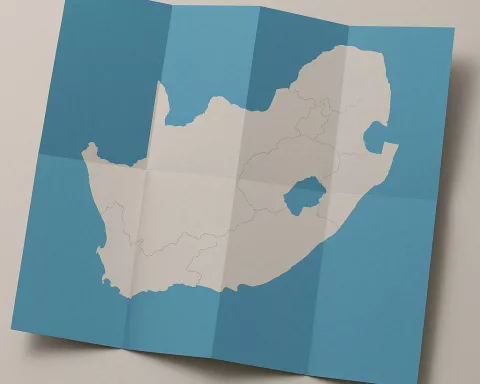
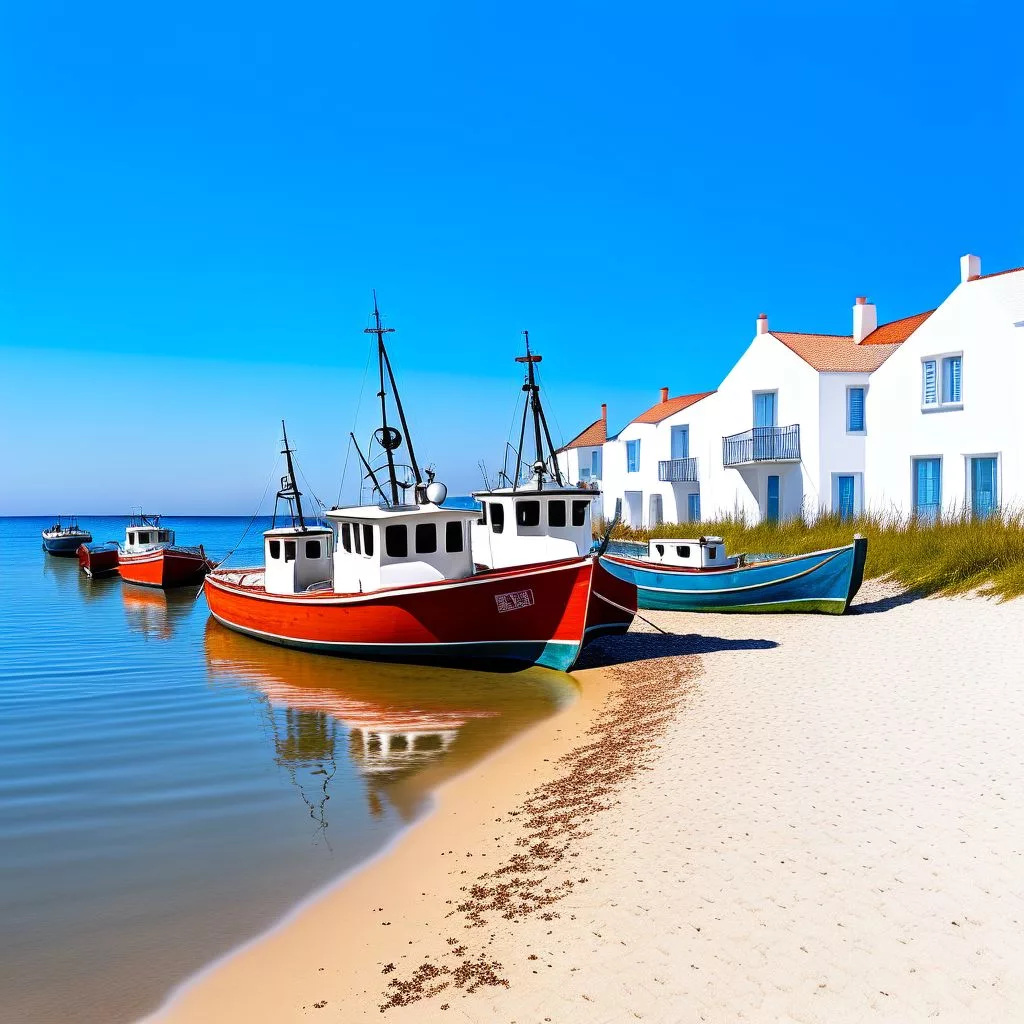
South Africa’s coastal seafood towns are full of life, tradition, and fresh ocean flavors. Fishermen use old, careful methods to catch fish like snoek and kabeljou, keeping their deep bond with the sea alive. In small villages and bustling markets, locals and visitors share simple, delicious meals that celebrate the day’s catch and stories passed down through generations. These towns show how food can connect people to nature, history, and each other in a warm, genuine way.
What makes South Africa’s coastal seafood towns unique?
South Africa’s coastal seafood towns are unique for their deep-rooted fishing traditions, fresh local catches like kabeljou and snoek, and community-centered dining. They blend ancestral fishing methods with vibrant culinary cultures, emphasizing seasonality, simplicity, and a strong connection between people, place, and the sea.
Coastal Communities Rooted in Tradition
Travelers tracing South Africa’s 2,500-kilometre coastline encounter more than picturesque views and crashing waves; they find communities whose relationship with the sea runs generations deep. In these villages and small towns, fishing is more than a way to earn a living—it forms the backbone of local identity and sustains unique regional cultures. Unlike bustling city markets or tourist-oriented harbours, these communities live in rhythm with the tides, working quietly and skillfully to draw daily sustenance from the ocean.
In Arniston, or Waenhuiskrans as locals affectionately call it, early morning signals the start of a ritual with roots stretching back centuries. Fishers from Kassiesbaai, a settlement renowned for its heritage, haul their boats into the surf at dawn. Their methods—hand-lining, careful abalone collection, and seasonal lobster trapping—demonstrate a profound respect for the ocean’s limits and gifts. While modern technology has altered fishing elsewhere, here, time-honoured techniques prevail, keeping ancestral wisdom alive.
Arniston’s iconic, whitewashed cottages bear silent witness to these routines. Within their walls, stories of hardship and perseverance mingle with recipes passed down through generations. At Willeen’s, a local eatery perched above the wind-swept shore, diners discover the true essence of coastal cuisine: kabeljou or perlemoen grilled simply, seasoned with only what’s necessary to let the natural flavours shine. Each dish reflects not just culinary tradition, but a philosophy—cherishing restraint and authenticity over embellishment.
Culinary Legacies of the Western Cape
Venturing north, Paternoster stands as a testament to the enduring link between sea and community. Named “Our Father” for its spiritual ties to both ocean and sky, Paternoster’s striking landscape—blue Atlantic swells, white cottages, and endless sand—echoes the artistic simplicity of Dutch heritage. However, beneath these European influences, the town’s culinary soul remains steadfastly South African. Local fishers launch boats directly from the beach, relying on methods honed over generations to bring in crayfish, snoek, and mussels that define the area’s cuisine.
At Voorstrandt, a cheerful beachfront restaurant painted bright red, the atmosphere feels worlds away from the formality of urban dining. Mussel potjies simmer with notes of fynbos and smoke, while plates of grilled snoek draw both locals and visitors, eager to partake in a communal celebration of the day’s bounty. Here, class and background matter little—everyone gathers at the same tables, united by a shared appreciation for food harvested that very morning.
Further along the Cape Peninsula, Kalk Bay offers a fusion of charm and culinary prowess. Victorian buildings cluster along the bustling harbour, their facades providing a nostalgic backdrop to the colourful fishing boats bobbing in the bay. Kalky’s, an institution on the docks, draws crowds for its legendary fish-and-chips: yellowtail and hake battered and fried to perfection, served with thick-cut chips. Here, families, foodies, and fishermen alike find common ground in the simple pleasure of a meal eaten by hand, overlooking the ocean from which it came.
For those seeking an elevated experience, Harbour House offers refined seafood in a setting where floor-to-ceiling windows frame the dramatic surf. The kitchen serves up calamari and grilled linefish, crafting dishes that balance European sophistication with unmistakably South African ingredients. The result is an experience both cosmopolitan and deeply connected to the local waters.
A Tapestry of Flavours and Stories
Hout Bay, though close to Cape Town, fiercely preserves its independent spirit. The harbour teems with activity as boats unload kingklip, tuna, and kabeljou—destined for local tables and international markets alike. The Bay Harbour Market captures the essence of artisanal production, hosting a weekly celebration where food, craft, and community converge. Here, you’ll find everything from fish biltong and freshly shucked oysters to steaming bowls of seafood curry, each dish offering a window into both tradition and experimentation.
In Hout Bay, market stalls echo with laughter and the sharing of stories. Elders recount storms weathered and legendary catches, while younger chefs experiment by blending Cape Malay spices with French culinary techniques. The market becomes more than a place to eat; it transforms into a living gallery, where culinary heritage and innovation meet against a vibrant coastal backdrop.
Further along the coast, the Wild Coast’s dramatic geography shapes both the cuisine and the culture. Port St. Johns perches on a landscape where steep cliffs meet pounding surf, and the line between land and sea blurs with each tide. Here, meals remain refreshingly unpretentious: grilled fish fillets—perhaps yellowtail, perhaps gurnard—are seared over open flames, seasoned with little more than salt, lemon, and smoke from local wood. These simple dishes respect both the harshness and bounty of the coastline.
Family-run guesthouses here provide a fusion of flavors: traditional Xhosa pap and chakalaka sit side-by-side with just-caught fish. Meals become an act of cultural exchange, where every bite tells a story of resilience, adaptation, and community in the face of nature’s challenges.
Timeless Rituals, Contemporary Connections
South of the Wild Coast, Struisbaai unfolds along a seemingly endless stretch of sand—the longest in the Southern Hemisphere. The town’s harbour buzzes as fishers unload cob, red roman, and yellowtail, each catch reflecting the hard work and deep knowledge required to thrive here. At Pelican’s Harbour Café, guests watch stingrays glide through shallow waters while enjoying seafood whose freshness is evident in both taste and texture. The café’s straightforward approach highlights the interplay between restraint and quality, drawing from the same minimalist ethos seen in modern cuisine.
Across these disparate towns and regions, a common thread links coastal South Africa’s seafood communities: a respect for tradition, a willingness to embrace the present, and curiosity about the future. Meals become more than sustenance—they serve as vehicles for storytelling and continuity, connecting past to present with every shared plate.
This ethos aligns with global culinary trends—celebrating provenance, seasonality, and freshness—but always inflected with local character. Whether drawing inspiration from slow food philosophies, Japanese reverence for the sea, or Mediterranean approaches to simplicity, South Africa’s seafood towns shape these influences to fit their own stories.
Ultimately, the culinary landscape that emerges is as varied and vibrant as the coast itself, rewarding those who venture beyond the obvious and approach each meal with curiosity. In South Africa’s coastal villages, seafood is more than a dish—it is a living testament to the connection between people, place, and the sea.
What types of fish are commonly caught in South Africa’s coastal seafood towns?
Common fish species caught include snoek, kabeljou, yellowtail, hake, kingklip, tuna, gurnard, and red roman. Additionally, local fishermen harvest shellfish like abalone, crayfish, mussels, and perlemoen (abalone). These species are caught using traditional methods to ensure freshness and sustainability, making them staples of the coastal cuisine.
How do traditional fishing methods influence the seafood culture in these towns?
Traditional fishing methods such as hand-lining, seasonal lobster trapping, and careful abalone collection are still widely practiced. These techniques reflect a deep respect for the ocean’s limits, ensuring sustainable harvesting and preserving ancestral knowledge. This connection to the sea shapes not only the catch but also the communities’ identities and their culinary traditions.
Which towns are known for their distinctive seafood experiences along South Africa’s coast?
Notable towns include Arniston (Waenhuiskrans) with its historic fishing rituals; Paternoster, known for its Dutch heritage and communal dining; Kalk Bay, famous for its legendary fish-and-chips; Hout Bay, with its vibrant Bay Harbour Market and artisanal seafood; the Wild Coast’s Port St. Johns, offering simple grilled fish with cultural fusion; and Struisbaai, boasting the Southern Hemisphere’s longest sandy beach and fresh local catches.
What role do local eateries and markets play in preserving coastal seafood traditions?
Local eateries such as Willeen’s in Arniston and Voorstrandt in Paternoster offer authentic dishes that highlight freshness and simplicity, often seasoned minimally to let natural flavors shine. Markets like Hout Bay’s Bay Harbour Market serve as cultural hubs where artisans and chefs showcase both traditional and innovative seafood dishes, fostering community connections and culinary heritage.
How does the seafood cuisine in South Africa’s coastal towns reflect the broader cultural and natural environment?
Seafood cuisine here is deeply intertwined with the local environment and cultures. It emphasizes seasonality, freshness, and simplicity, often prepared with minimal seasoning to honor the natural flavors of the ocean. Dishes incorporate influences from indigenous Xhosa traditions, Cape Malay spices, Dutch heritage, and global culinary philosophies such as slow food and Mediterranean simplicity, creating a unique fusion grounded in place and history.
What can visitors expect when dining in South Africa’s coastal seafood towns?
Visitors can expect warm, genuine hospitality centered around sharing fresh, simple, and delicious meals that celebrate the day’s catch. Dining experiences range from casual fish-and-chips at dockside shacks to refined seafood dishes framed by stunning ocean views. Meals are often accompanied by storytelling and a palpable connection to the rhythm of the tides, offering an authentic taste of South Africa’s coastal life and culture.