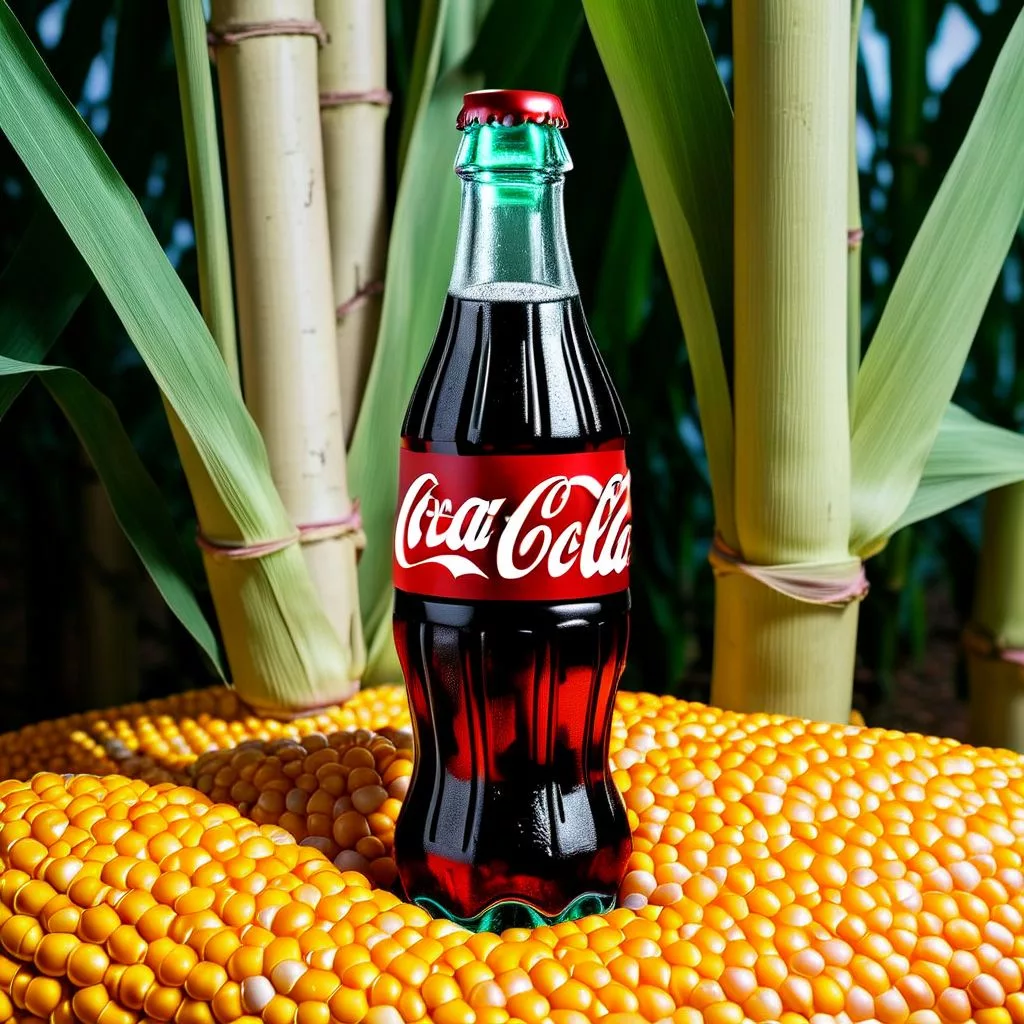
Coca-Cola might switch from high-fructose corn syrup to cane sugar because many people want more natural ingredients and the old, familiar taste. This change has sparked a big talk about what sweetness means to Americans—not just flavor, but history, health, and identity. For some, cane sugar Coke brings back warm memories and feels more real, while others see it as a symbol of a simpler, truer America. Whether or not the switch happens, the debate shows how deeply food connects to culture and who we are.
Why is Coca-Cola considering switching from high-fructose corn syrup to cane sugar?
Coca-Cola’s potential switch to cane sugar reflects consumer demand for natural ingredients, nostalgia for original flavors, and health concerns related to high-fructose corn syrup (HFCS). This change symbolizes a larger cultural debate about authenticity, flavor, and America’s evolving relationship with sweetness.
The Announcement That Sparked a National Conversation
As summer approached, an unexpected announcement ignited a surge of commentary across social networks and news channels. Donald Trump, always eager to make headlines with populist flair, declared on Truth Social that Coca-Cola would soon switch from high-fructose corn syrup (HFCS) to real cane sugar in its U.S. beverages. This declaration didn’t just generate buzz; it awakened a mix of nostalgia, debate, and intrigue about what truly defines the American palate. Suddenly, a simple ingredient—one most people rarely consider—became the centerpiece of a much larger discussion about culture, health, and industry.
Trump’s message—“I have been speaking to Coca-Cola about using REAL Cane Sugar in Coke in the United States, and they have agreed to do so… This will be a very good move by them – You’ll see. It’s just better!”—struck a chord. Coke is more than a soft drink; it’s a cultural emblem, woven into the fabric of American life from the battlefields of World War II to family cookouts and corporate boardrooms. The conversation quickly expanded, touching on notions of authenticity, national identity, and public health, all encapsulated in a fizzy bottle.
Interestingly, Trump’s push for cane sugar finds common ground with health advocates such as Robert F. Kennedy Jr., whose Make America Healthy Again initiative champions a return to less processed, more “natural” ingredients. Kennedy has long criticized HFCS, echoing the concerns of nutrition reformers dating back to the organic food wave of the 1960s and macrobiotic trends of later decades. These advocates share a suspicion of manufactured shortcuts in the food industry, arguing that real sugar delivers both superior flavor and potential health benefits.
While the excitement brewed, Coca-Cola responded with careful, noncommittal language. The company thanked the president publicly and hinted at new innovations in its product line, but stopped short of confirming any switch to cane sugar. This diplomatic reply reflected the complexities the brand faces, balancing political pressures, consumer desires, and the demands of a vast, diverse marketplace.
The Evolution of Sweeteners in America
Understanding the weight of this potential change requires a look at the history of sweeteners in the United States. Cane sugar, extracted from tropical grass, has deep roots in American history—roots intertwined with the dark legacies of colonialism and the global sugar trade. By the 1900s, refined sugar had become a staple of the American diet, especially in processed foods and soft drinks. But the landscape began to shift in the 1970s, when HFCS emerged as a game-changer. Thanks to abundant Midwestern corn and government subsidies, HFCS offered a cheaper alternative, especially as import taxes made cane sugar pricier.
This shift didn’t go unnoticed in the culture at large. Artists such as Andy Warhol elevated everyday products like Coke and Campbell’s Soup to the level of high art, highlighting both the allure and the ambiguities of American food culture. Warhol’s fascination with Coca-Cola—famously observing, “A Coke is a Coke, and no amount of money can get you a better Coke”—captured the product’s paradox. The supposed sameness of every bottle hid a behind-the-scenes story of ongoing changes to the formula and ingredients.
On a chemical level, cane sugar (sucrose) and HFCS look similar but differ subtly. Sucrose binds glucose and fructose tightly, while HFCS contains the same sugars separated, typically in a 55% fructose, 45% glucose ratio for sodas. This nuanced distinction has fueled debates among scientists and the public for decades, as each side claims a superior taste or health profile.
When it comes to health effects, research paints a nuanced picture. A sweeping review in 2022 examined clinical studies comparing HFCS and sucrose and found little difference in outcomes like weight gain or heart health when consumed in similar quantities. The only notable finding: HFCS slightly raised inflammation markers more than cane sugar. Regardless, experts agree that both contribute to the same risks—obesity, metabolic problems, and related diseases—when consumed in excess.
Flavor, Memory, and the Quest for Authenticity
While laboratory results suggest only minor differences, American consumers often insist otherwise. Stories about the taste of “real” cane sugar Coke abound in online forums and family conversations. Many enthusiasts actively seek out “Mexican Coke,” which comes in glass bottles and uses cane sugar, happily paying extra for what they describe as a brighter, purer flavor. For many, this preference is about more than taste—it’s tied to memory, nostalgia, and a longing for authenticity.
Sociologists and historians point out that such preferences reveal deeper currents. The nostalgia for cane sugar Coke is partly a rebellion against the facelessness of industrial agriculture and a yearning for an idealized, simpler past. During the 1980s and 1990s, when HFCS gradually replaced cane sugar in most American colas, few people noticed. The slow food and “real food” movements that emerged later sparked renewed interest in traditional ingredients. Now, for some, sipping a cane sugar Coke from a glass bottle is a ritual—a way to reconnect with a childhood treat or a vision of America before mass-market shortcuts.
This longing for authenticity has fueled a resurgence of artisanal soft drink brands and “throwback” versions of mainstream sodas, all promising an experience that’s closer to the original taste that older generations remember. The popularity of these products shows that, for many Americans, food and drink are as much about personal and collective memory as they are about nutrition.
Politics, Economics, and the Future of American Sweetness
Trump’s call for a return to cane sugar carries political implications, particularly in the heartland. The Corn Belt—stretching from Iowa to Nebraska—relies heavily on corn subsidies, and by extension, on the demand for HFCS. Farmers in these regions view any threat to HFCS as a challenge to their livelihoods. Politicians must tread carefully, balancing the interests of rural agriculture with the preferences of urban consumers, who increasingly crave products labeled as “natural” or “authentic.”
Ironically, Trump himself is known for his love of Diet Coke—famously restoring his “Diet Coke button” to the White House. This is notable, considering Diet Coke contains aspartame, an artificial sweetener the International Agency for Research on Cancer now lists as a “possible carcinogen.” Yet Trump’s embrace of cane sugar positions him as a defender of authenticity, illustrating how the politics of food often hinge on symbolism rather than substance.
The broader context reveals that America’s ongoing debate over sweeteners echoes larger trends in food technology, commerce, and even art. The introduction of artificial sweeteners in the 19th and 20th centuries, the explosion of diet culture, and the recent revival of “natural” alternatives all speak to a culture perpetually seeking balance between progress and tradition.
Today, companies like Coca-Cola and Pepsi experiment with new flavors and old formulas, while niche producers tout small-batch creations with heritage ingredients. Any possible switch back to cane sugar would not signal an end to this cycle but would simply mark another phase in the ever-evolving American relationship with sweetness.
Sweetness as a Symbol of American Life
To fully grasp why a debate over sweeteners matters, one must consider the deeper meanings we assign to everyday products. Cultural thinkers like Roland Barthes have noted how ordinary items—wine, soap, plastic—often carry symbolic weight far beyond their practical uses. Coca-Cola, as one of the world’s most recognizable brands, serves as both a vessel for American ideals and a lightning rod for criticism about excess and convenience.
As the discussion over Coca-Cola’s ingredients continues, it becomes clear that the real question is not merely about cane sugar or corn syrup. Instead, the debate encompasses issues of memory, identity, health, economics, and even artistry. The sweetener in a can of Coke is a microcosm of how Americans negotiate tradition and innovation, pleasure and caution, nostalgia and progress.
In the end, whether Coca-Cola returns to cane sugar or not, the conversation itself reveals the unique ways Americans connect with their food and drink. Every sip is a reminder that taste is never just about chemistry—it’s about how a nation defines itself, one bottle at a time.
FAQ: The Changing Taste of America and Coca-Cola’s Sweetener Debate
1. Why is Coca-Cola considering switching from high-fructose corn syrup (HFCS) to cane sugar?
Coca-Cola is exploring the switch due to growing consumer demand for more natural ingredients, nostalgia for the original flavor of Coke, and health concerns linked to HFCS. This potential change reflects a broader cultural conversation about authenticity, flavor preferences, and America’s evolving relationship with sweetness.
2. What is the difference between cane sugar and high-fructose corn syrup?
Cane sugar (sucrose) is a natural sweetener made of glucose and fructose bonded together, while HFCS contains free glucose and fructose molecules in a typical ratio of 55% fructose and 45% glucose. Although chemically similar, these subtle differences influence taste perception and have sparked debates about health impacts and flavor authenticity.
3. Does cane sugar Coke taste better than HFCS Coke?
Many consumers claim that cane sugar Coke has a brighter, purer flavor compared to the HFCS version, associating it with nostalgia and authenticity. This preference often goes beyond taste, linking to memories and cultural identity—hence the popularity of “Mexican Coke,” which uses cane sugar and comes in glass bottles. However, taste is subjective, and scientific studies find only minor chemical differences.
4. Are there health differences between cane sugar and HFCS?
Research shows minimal differences in health outcomes like weight gain and heart health when consuming similar amounts of cane sugar or HFCS. Both can contribute to obesity and metabolic issues if consumed excessively. Some studies suggest HFCS may slightly increase inflammation markers more than cane sugar, but overall, moderation is key regardless of the sweetener.
5. How has the use of sweeteners in American sodas evolved historically?
Cane sugar was the primary sweetener in American sodas for many years, but in the 1970s, HFCS became popular due to its lower cost and government subsidies favoring corn production. This shift aligned with economic and agricultural trends and shaped the taste profile of many products. Recently, there has been renewed interest in returning to cane sugar as part of a broader “real food” and nostalgia movement.
6. What cultural significance does the choice of sweetener in Coca-Cola hold?
The debate over Coca-Cola’s sweetener is about more than just ingredients; it touches on American identity, memory, health, and politics. Coke symbolizes a shared cultural history, and choosing cane sugar is often seen as a return to authenticity and simpler times. At the same time, the issue reflects tensions between rural agricultural economies and urban consumer trends, illustrating how deeply food connects to who Americans are.
If you want to explore further, this topic reveals how every sip of Coke is woven into America’s cultural fabric, blending history, taste, health, and identity in a uniquely American way.