Cape Town’s Open Book Festival is a lively celebration where people from all walks of life come together to share stories, ideas, and laughter. It’s more than just books—it’s a warm, buzzing community that embraces everyone and sparks important conversations. Though it faces tough money problems, the festival’s heart beats strong, fueled by hope and the power of connection. With the support of its community, it aims to keep inspiring and bringing people together year after year.
What is Cape Town’s Open Book Festival and why is it important?
Cape Town’s Open Book Festival is an annual literary event celebrating community, inclusivity, and cultural dialogue. It features diverse authors, workshops, and discussions, fostering connection and transformation. Despite financial challenges, it remains a vital platform for South African voices and literary activism.
The Festival’s Heartbeat: A Living Cultural Gathering
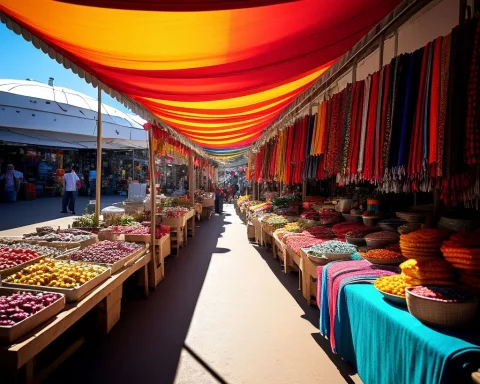
Cape Town transforms as evening sets in, especially during the Open Book Festival. Founded in 2011, this annual event has woven itself tightly into the city’s cultural fabric. Readers from all walks of life gather in bustling venues, while writers—both emerging and established—share their insights and stories. The atmosphere buzzes with excitement: children’s laughter rings out among temporary bookshops, passionate debates fill the air, and conversations linger long after formal sessions end.
The festival’s visionaries always dreamed of an event that belonged to everyone who participated—from the authors gracing the stage to the volunteers behind the scenes. The idea of collective ownership pulses through every session and gathering. At Open Book, the boundaries between audience and creator blur, giving rise to a genuine sense of shared purpose and camaraderie.
This environment mirrors the great literary gatherings of history—the salons of Bloomsbury or the vibrant Parisian cafés that once brought together thinkers and dreamers. In Cape Town, these connections come alive through panels, workshops, and spontaneous discussions. Stories break free from the pages, evolving into spirited dialogue, laughter, and even healthy disagreement. The festival thrives because it invites everyone to be part of the narrative.
Facing Financial Turbulence: A Festival at the Crossroads
Despite its emotional and cultural significance, the Open Book Festival now contends with a daunting financial challenge. Organizers have yet to receive responses to their funding requests from both provincial and national government bodies—a silence that grows increasingly ominous as the festival’s start date approaches. The required sum just to keep this year’s festival alive stands at R500,000. The prospect of borrowing money hangs over the organizers—a risky and potentially terminal strategy if no new funding emerges.
The leadership remains transparent about the gravity of the situation. They highlight that their predicament echoes struggles faced by countless other cultural organizations right now. The festival relies on the support and engagement of its community not only to fill seats but also to secure its future. This year, the call is clear: direct financial backing is necessary, whether through donations, sponsorships, or connecting the festival with businesses ready to invest in the arts.
The urgency of the appeal cannot be overstated. Without the needed funds, the very survival of the festival beyond 2025 remains in jeopardy. Organizers urge supporters to act—not just as ticket buyers or enthusiastic attendees, but as patrons ensuring that Cape Town’s most beloved literary gathering does not vanish from the city’s calendar.
Building Bridges: Community, Inclusion, and Literary Transformation
For over a decade, the Open Book Festival has stood as a beacon of transformation and inclusivity. Each year, it provides a unique space where people of all ages, backgrounds, and languages come together in celebration of literature. Children take part in storytelling workshops that spark lifelong love for books, while seasoned authors engage audiences with readings that delve into politics, culture, and the craft of writing itself.
Personal encounters give the festival its special magic. Many attendees carry memories of meeting admired writers and finding themselves heard and valued—even if only for a brief exchange. These moments reinforce the ethos at the festival’s core: every participant, regardless of their status, contributes meaningfully to the event.
Inclusivity remains a guiding principle. The festival regularly welcomes marginalized voices, elevates local talent, and positions South African writers alongside international guests. In a city still shaped by deep inequalities, the Open Book Festival offers a rare platform for dialogue and unity. Year after year, its programming dares to challenge, inspire, and provoke thought, demonstrating the power of literature to connect and heal.
Literary Festivals as Agents of Change
Globally, literary festivals have long acted as engines of cultural innovation and renewal. Events like the Edinburgh International Book Festival, launched in 1983, have reshaped national literary identities, while the sprawling Jaipur Literary Festival has propelled Indian authors onto the world stage. The Open Book Festival draws inspiration from this tradition, yet it carries its own distinctive resonance informed by South Africa’s complex history.
In a country marked by struggle and resilience, the festival’s dedication to open dialogue, diversity, and social critique holds particular significance. The gatherings recall the activism of earlier eras, when literature became a tool for resistance and hope—especially during the days of the Black Consciousness Movement. At Open Book today, the spirit of activism is palpable. The festival champions the belief that literature does more than mirror society; it can rewrite its future.
Attendees experience this dynamism across the festival’s eclectic venues. Former churches, bustling community centers, and cozy bookshops each play host to panels and readings. One might catch a heated discussion on freedom of speech or stumble upon a poetry slam in a sun-dappled courtyard. The festival welcomes every literary form, from speculative fiction and graphic novels to memoirs and political essays, and it encourages unlikely collaborations—perhaps a climate scientist debating a novelist about the role of storytelling in raising environmental awareness.
The Economics of Culture: Sustaining the Festival’s Legacy
The Open Book Festival’s financial struggles reflect a global trend: cultural institutions often find themselves pushed aside as governments juggle competing priorities. Yet, as thinkers like John Maynard Keynes have long argued, investing in culture nourishes democratic societies and cultivates critical citizens. In turbulent times, festivals like this one offer more than entertainment—they provide essential spaces for empathy, learning, and imagination.
Organizers make a compelling case for support. They acknowledge that financial contributions to the festival will never yield traditional returns like shares or dividends. Instead, backers become stewards of a living tradition—ensuring that future generations can experience the same joy, discovery, and sense of community that define the event today. The appeal is at once practical and philosophical: not all value resides on a balance sheet.
Community support has always fueled the festival’s vibrancy. Volunteers anchor daily operations, local businesses offer invaluable services, and schools send students who may become the next generation of writers. Now, more than ever, organizers seek direct financial aid from individuals, corporations, and organizations that have benefitted in the past. Every donation—whether large or modest—contributes to the festival’s survival and independence.
The Festival’s Enduring Spirit: Looking Toward the Future
Despite the looming threat of closure, the Open Book Festival’s spirit remains unbroken. Cape Town continues to buzz with anticipation: excited readers trade book recommendations, writers prepare for upcoming panels, and volunteers work tirelessly to ensure every detail is in place. The festival’s continued existence depends on the collective will of its supporters—those who recognize the irreplaceable role it plays in the city’s cultural life.
The Open Book Festival stands as a testament to the transformative power of literature and the resilience of community. Every autumn, it invites Cape Town to imagine new possibilities, to listen across differences, and to champion the written word. The event’s future may be uncertain, but its guiding vision endures: a space where stories bring people together, nurture empathy, and inspire change.
As the city holds its breath and the organizers rally support, the festival’s story remains unwritten. With enough collective investment and belief, the Open Book Festival can continue to thrive—reminding all who attend that the greatest tales are those we create together.
What is Cape Town’s Open Book Festival and why is it important?
Cape Town’s Open Book Festival is an annual literary event that celebrates community, inclusivity, and cultural dialogue. Since its founding in 2011, it has become an integral part of the city’s cultural fabric, featuring diverse authors, workshops, and discussions. The festival serves as a vital platform for South African voices and literary activism, fostering connection and societal transformation by bringing together people from all backgrounds to share stories, ideas, and laughter.
How does the festival create a sense of community and inclusivity?
The Open Book Festival blurs the line between audience and creator, encouraging collective ownership of the event. It welcomes participants of all ages, backgrounds, and languages, offering storytelling workshops for children, panels with seasoned authors, and spontaneous discussions that stimulate spirited dialogue. By elevating marginalized voices and showcasing local and international talent side by side, the festival fosters unity and provides a rare space for open, inclusive cultural exchange in a city still shaped by inequalities.
What financial challenges is the Open Book Festival currently facing?
The festival is confronting significant financial difficulties, with organizers still awaiting crucial funding from provincial and national government bodies. To sustain this year’s edition, they need approximately R500,000. Without new financial support, the festival risks having to borrow money, a potentially unsustainable strategy that threatens its survival beyond 2025. Organizers have appealed to the community, businesses, and sponsors for donations and partnerships to secure the festival’s future.
Why is supporting the Open Book Festival important beyond just attending events?
Supporting the festival goes beyond buying tickets or attending sessions. Financial contributions help maintain a living cultural tradition that nurtures democratic values, empathy, and critical thinking. Unlike investments in typical commercial ventures, funding the festival sustains a shared space for imagination, learning, and social critique. Donors become stewards of an inclusive platform that has nurtured generations of readers, writers, and activists, ensuring the event’s independence and longevity.
How does the Open Book Festival compare to other global literary festivals?
Like other renowned literary events such as the Edinburgh International Book Festival and the Jaipur Literary Festival, Cape Town’s Open Book Festival acts as an engine for cultural innovation and literary identity. However, it carries a distinctive resonance informed by South Africa’s history of struggle and resilience. The festival channels the spirit of past literary activism and resistance movements, using literature as a tool not just to reflect society but to imagine and shape a better future.
What is the festival’s vision for the future amid current uncertainties?
Despite financial uncertainties, the Open Book Festival’s spirit remains strong. The organizers, volunteers, authors, and community members continue to prepare with hope and determination. Their vision is to sustain a vibrant, transformative space where stories bring people together, nurture empathy, and inspire change. With enough collective support—through donations, sponsorships, and community engagement—the festival can continue to thrive and uphold its role as Cape Town’s beloved literary gathering for years to come.