Each year, President Cyril Ramaphosa stands in South Africa’s Parliament to explain and defend the government’s budget plans, focusing on big goals like growing the economy, improving healthcare, and boosting education. This important moment mixes facts with stories, helping everyone understand how public money will be used. The lively debates take place in a historic chamber that connects the nation’s past and future, while technology lets people watch and join in from afar. Through this mix of tradition and new ways of engaging, Parliament keeps the country’s democracy alive and open to all.
What happens during President Cyril Ramaphosa’s Budget Vote Reply in South Africa’s Parliament?
President Ramaphosa’s Budget Vote Reply is a key parliamentary event where he defends government priorities like economic renewal, healthcare, and education. It blends policy details with persuasive narratives, fostering transparency, accountability, and democratic engagement in South Africa’s annual budget debate.
The Tradition of Budget Debates: Old Rituals, New Relevance
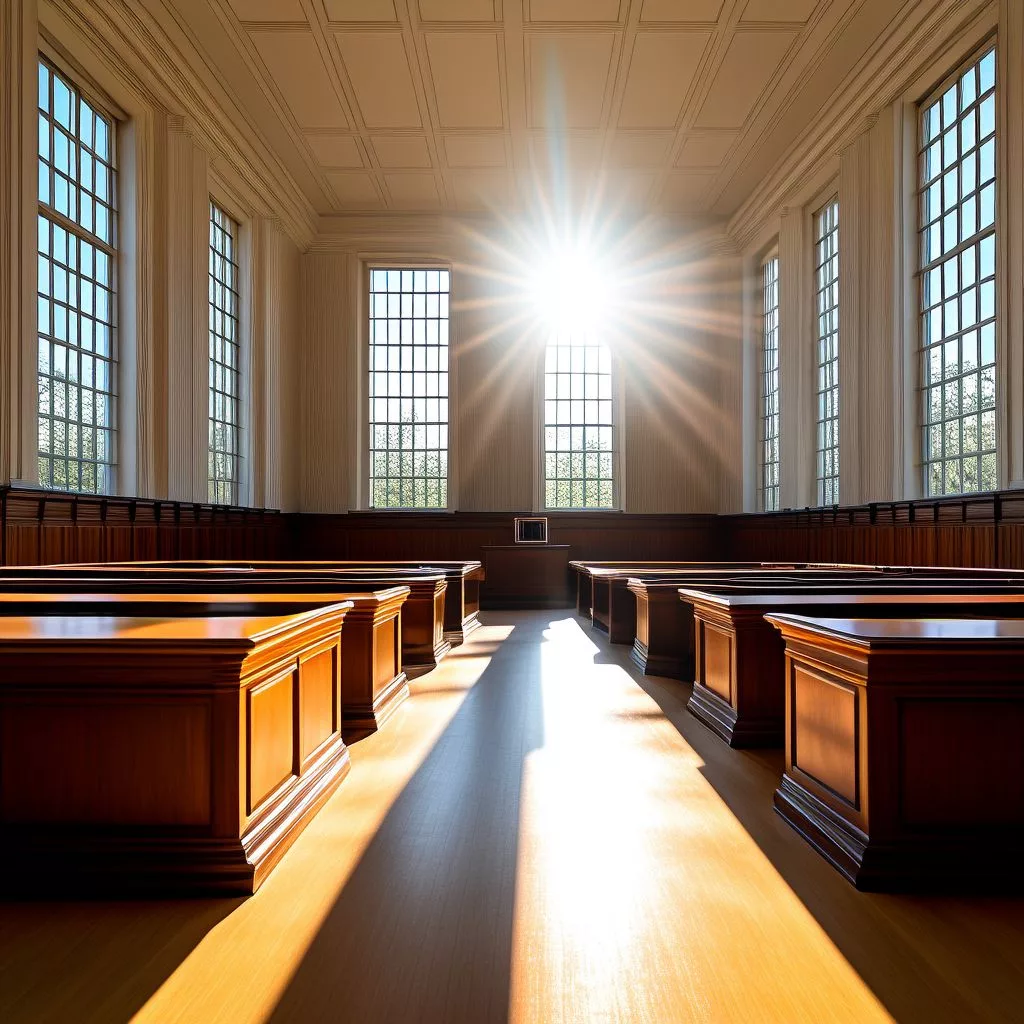
Every year in July, Parliament’s Good Hope Chamber transforms into the nerve center of South Africa’s democratic life. The annual budget cycle reaches its dramatic peak as the President returns to the podium, prepared to address the National Assembly and respond to the debate around Budget Vote 1—The Presidency. On July 17, 2025, President Cyril Ramaphosa finds himself at the center of this centuries-old custom, stepping into a chamber bathed in natural light and heavy with the weight of history.
The Good Hope Chamber itself tells a story, its dignified architecture bearing silent witness to years of intense dialogue, political resistance, and the evolution of a nation. As sunlight spills over the chamber’s polished wood, it illuminates not just lawmakers’ faces, but the broader journey of South Africa’s political transformation. On this day, Ramaphosa’s address becomes more than just a legal obligation—it’s a vivid reflection of the country’s past, present, and future.
Budget votes in South Africa trace their lineage to Westminster traditions, where the scrutiny of spending marked the beginning of parliamentary power over rulers. Today, these votes serve as a crucible in which vision collides with fiscal reality. They symbolize the way government must explain its choices and priorities to the people, linking grand aspirations with the limited resources at hand. The debate around Budget Vote 1 brings together history, procedure, and democracy in a single, charged moment.
Parliament has adapted these traditions for the realities of the digital era. The hybrid format—blending physical presence with virtual participation—opened new channels of accessibility, ensuring the work of Parliament stays visible and relevant. This shift reflects the country’s broader embrace of technology as a tool for inclusion, connecting citizens to the heart of government and anchoring public accountability at the center of national life.
Presidential Replies: Where Policy Meets Persuasion
As President Ramaphosa stands to reply to the budget debate, he enters an arena shaped by both contention and collaboration. The budget debate, which began a day earlier with the presentation of the Presidency’s financial plan, has already sparked lively contributions from all sides of the political spectrum. Each member’s intervention weaves another thread into the tapestry of national discourse.
The President’s response is never just a perfunctory retort. Instead, he must defend the administration’s strategic priorities: economic renewal, robust healthcare, quality education, anti-corruption initiatives, and effective international relations. Ramaphosa’s approach often layers statistical evidence with stories—examples from his years in office or collective experiences from the country’s recent journey. These narratives infuse the numbers with meaning, reminding lawmakers and citizens alike that behind every rand spent lie individual and community hopes.
Ramaphosa’s task echoes that of his predecessors. Notably, Nelson Mandela frequently invoked the shared struggle of South Africans during sessions like these, blending soaring vision with direct appeals to conscience and unity. Ramaphosa often adopts a similar style, tapping into the nation’s reservoir of shared memory to underscore both challenges and opportunities. In doing so, he not only makes the case for this year’s budget, but also reconnects Parliament with the deeper current of South African identity.
The President’s reply usually sets the tone for subsequent parliamentary activity. Lawmakers scrutinize his words, seeking assurances and clarity, while the public listens for signs of progress and accountability. The reply thus becomes a key moment in the country’s democratic rhythm, blending policy detail with persuasive argument to advance the work of government.
The Pulse of Participation: Parliament in Action
Parliament’s hybrid plenary on July 17 is only one stage where the drama of democracy plays out. Throughout the day, the institution thrums with activity. The National Council of Provinces, for instance, holds its own important sessions—this time deliberating on matters like policing and labor, sectors that cut to the core of daily life for millions. Meanwhile, committees gather—many meeting virtually—to fine-tune legislation and hold the executive to account.
Within this complex machinery, individual lawmakers take on vital roles. Figures such as Mr. Mnqobi Prince Msezane, a member of the Portfolio Committee on Higher Education, illustrate how parliamentarians blend the broad work of governance with focused advocacy. Through his participation, issues like youth empowerment and institutional change gain prominence, translating public needs into legislative proposals.
The principle of public participation, often cited as a cornerstone of South African democracy, gains substance through these proceedings. Thanks to Parliament TV, digital platforms like YouTube, and lively social media engagement, South Africans everywhere can follow debates as they unfold. Now, instead of waiting for tomorrow’s headlines, citizens can witness the forging of national policy in real time. This transparency not only strengthens trust in institutions but also invites the public into what was once an exclusive domain.
Modern technology has made Parliament’s debates more accessible than ever, but the importance of in-person engagement remains. Constituents’ voices echo through the chamber, amplified by their representatives. This blend of tradition and innovation allows Parliament to serve as both the country’s conscience and its crossroads, where diverse perspectives meet to shape the nation’s future.
Oversight, Innovation, and South Africa’s Global Role
Parliamentary oversight of the budget represents a blend of analysis and imagination. Lawmakers must scrutinize not just the numbers, but also the motivations and intended impacts behind them. Committees spend countless hours interrogating budget proposals, challenging assumptions, and pushing for policies that can spark genuine transformation. Early-morning meetings, such as those of the Programme Committee, may lack the spectacle of national debates but are essential spaces where legislative blueprints take form.
The South African Parliament acts as both a forum and a workshop. It takes cues from the grand assemblies of history—whether in Florence, Paris, or Westminster—where fierce debate often shaped the fate of nations. Today’s legislators inherit both the gravitas and the creative energy of those traditions, adapting them for a society that demands both transparency and tangible progress.
On the global stage, 2025 holds particular significance. With South Africa serving as the first African country to chair the G20, Parliament’s work acquires an additional layer of importance. Budget strategies and national priorities take on new resonance, not only as domestic mandates but also as contributions to the world’s economic and political future. This historic role recalls the early days of the Non-Aligned Movement, when influential voices from the Global South sought to reshape international institutions.
Parliament’s corridors ring with echoes of Bandung and other foundational gatherings, where newly independent nations asserted their rights and interests. Today, South African lawmakers continue this legacy, championing the continent’s priorities within powerful global forums. Their work in Parliament thus extends far beyond national borders, reaffirming the institution’s role as a bridge between local realities and international aspirations.
Beyond Debate: Tradition, Transparency, and Public Engagement
Beyond procedural formality, Parliament invites the public to experience its work firsthand. Guided tours allow visitors to trace the steps of liberation heroes and present-day leaders, bringing South Africa’s complex history to life. This physical access is complemented by a rich digital presence. Through social media updates, live streams, and interactive platforms, Parliament opens its doors to a worldwide audience.
Journalists play an essential role in this ecosystem. Accredited members of the media navigate the day’s tightly choreographed proceedings, translating policy debates into stories that inform and shape public understanding. Their work ensures that Parliament’s actions remain subject to scrutiny, fostering a culture of accountability and informed dialogue.
More than a constitutional requirement, the annual budget reply signals the living dynamism of South African democracy. It is a public encounter between vision and reality, continuity and change, and hope and pragmatism. As voices rise and fall in the Good Hope Chamber, the country witnesses not just the passage of a budget, but the ongoing negotiation of its shared destiny. In the interplay of history, technology, and collective will, South Africa’s Parliament remains a beacon of democratic engagement—forever evolving, yet rooted in enduring ideals.
What is the purpose of President Cyril Ramaphosa’s Budget Vote Reply in South Africa’s Parliament?
President Ramaphosa’s Budget Vote Reply is a key annual event where he explains and defends the government’s budget priorities, such as economic growth, healthcare improvement, and education enhancement. The reply blends detailed policy information with personal and collective stories to make budget choices transparent and accessible. This process fosters accountability, democratic engagement, and public understanding of how taxpayer money will be allocated and spent.
Why is the Budget Debate held in the historic Good Hope Chamber, and what is its significance?
The Budget Debate takes place in the Good Hope Chamber, a symbolic space filled with natural light and steeped in South Africa’s political history. This chamber has witnessed many important moments of national dialogue and transformation. Holding the debate here connects present decision-making with the country’s past struggles and future aspirations. The tradition, inherited from Westminster parliamentary practices, underscores Parliament’s role in scrutinizing government spending and reinforcing democratic oversight.
How does Parliament incorporate technology and public participation in the budget process?
Parliament uses a hybrid format that combines physical attendance with virtual participation, enabling wider access through live broadcasts on Parliament TV, YouTube, and social media platforms. This digital engagement allows citizens across South Africa and beyond to watch debates in real time, ask questions, and hold elected officials accountable. The blend of tradition and innovation helps Parliament remain transparent and inclusive, reinforcing democracy by bringing government processes closer to the people.
What role do parliamentary committees and individual lawmakers play during the budget debates?
Parliamentary committees and individual members, such as those on the Portfolio Committee on Higher Education, play a vital role in scrutinizing budget proposals, refining legislation, and representing specific public interests. Committees often meet virtually to analyze details, challenge assumptions, and push for effective policies. Lawmakers translate the needs and concerns of their constituencies into parliamentary proposals, ensuring that budget allocations address real social and economic priorities.
How does President Ramaphosa’s budget reply reflect South Africa’s broader historical and political context?
Ramaphosa’s budget reply is more than a formal obligation; it is a platform where policy meets persuasion. By weaving together statistical evidence with stories of shared struggle and national identity—echoing the style of leaders like Nelson Mandela—he connects current budget decisions with South Africa’s ongoing journey toward unity, transformation, and progress. His address helps frame the budget within the country’s democratic rhythm, inspiring confidence and collective responsibility.
In what ways does South Africa’s parliamentary budget process impact its role on the global stage?
South Africa’s parliamentary budget process gains added significance as the country assumes the chairmanship of the G20 in 2025, the first African nation to do so. Budget priorities set domestically contribute to shaping global economic and political discussions. Parliament’s work continues the legacy of movements like Bandung and the Non-Aligned Movement, where emerging nations asserted their influence. By linking local governance with international leadership, the budget debate reinforces South Africa’s position as a continental and global voice for sustainable development and equity.