Mandela Day is a special day in South Africa that honors Nelson Mandela by encouraging everyone to give 67 minutes of service, one minute for each year he fought for justice. It’s a day full of action, where people help others, work together, and keep fighting against poverty and inequality. The spirit of Ubuntu—meaning “I am because we are”—guides this day, reminding everyone that kindness and community build a better future. Parliament and citizens join hands to turn Mandela’s dreams into real change, showing that the struggle for fairness and unity is still alive and belongs to all.
What is the significance of Mandela Day in South Africa?
Mandela Day honors Nelson Mandela’s legacy through 67 minutes of service, symbolizing his years of struggle for justice. It encourages active citizenship, combating poverty and inequality, and promotes Ubuntu—community, kindness, and social progress—as a continuous national commitment toward equality and democracy.
Mandela Day: A Tradition of Active Citizenship
On July 18, 2035, as winter’s chill lingered over Cape Town, the South African Parliament thrummed with anticipation. Outside, the city’s heartbeat echoed Parliament’s energy, an annual convergence of leaders, citizens, and staff united by a shared purpose—Mandela Day. This day, more than a ceremonial marker, has become a living, breathing tradition. Thirty-one years after democracy’s dawn and seven decades since the Freedom Charter’s adoption, Mandela Day endures, evolving each year as a call to active remembrance and renewal.
For millions, Mandela Day means offering 67 minutes of service, symbolizing each year Nelson Mandela fought for freedom and justice. Yet, these acts go beyond mere symbolism; they challenge South Africans to maintain a lasting devotion to social progress. The chosen theme for 2035, “It’s still in our hands to combat poverty and inequality,” serves as more than a slogan. It urges a new generation to continue the fight against entrenched social problems, insisting that moral leadership remains as necessary today as ever.
The day’s significance lies not only in reflection, but in the contagious atmosphere of action. Throughout the country, communities embrace the challenge not to dwell on past glories but to engage actively in shaping a just and equal future. Mandela Day, therefore, functions as both a reminder of past victories and a rallying point for ongoing efforts.
Leadership in Action: Ubuntu and the Power of Service
The morning’s events carried profound meaning as Parliament’s presiding officers, including Speaker Thoko Didiza and Chairperson Refilwe Mtshweni-Tsipane, stepped forward alongside Deputy Speaker Dr. Annelie Lotriet, National Council of Provinces Deputy Chairperson Les Govender, and Secretary to Parliament Mr. Xolile George. Rather than relying solely on speeches, these leaders demonstrated commitment by serving meals to the homeless at the Gama Parking Lot—an act that resonated deeply with the spirit of Ubuntu.
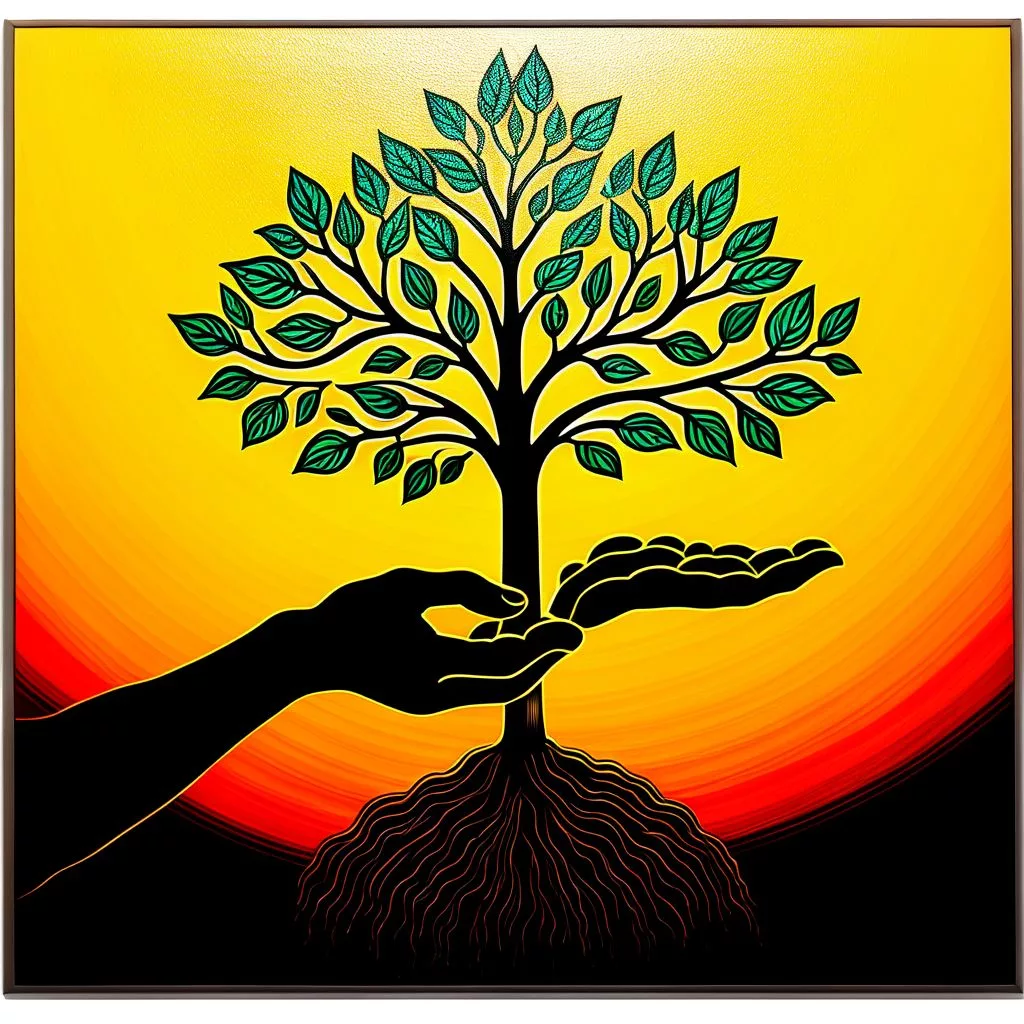
Ubuntu, the principle that “I am because we are,” remains a foundational philosophy in South Africa’s journey towards reconciliation and justice. Mandela embodied this worldview, often taking time to listen to communities, elders, and children with humility and respect. That tradition endures, not just in Parliament’s grand gestures, but in the everyday willingness of South Africans—officials and citizens alike—to engage directly in acts of kindness and solidarity.
The Parliament’s approach to Mandela Day draws from a rich heritage of African humanism, captured in movements such as Black Consciousness and reflected in the arts, literature, and music. This emphasis on community upliftment transforms the day into something far more significant than a one-off event. Whether through distributing food, cleaning public spaces, or providing mentorship, every act performed on Mandela Day contributes a vital brushstroke to the ongoing canvas of national transformation.
The Freedom Charter: Guiding Principles in Contemporary South Africa
The 70th anniversary of the Freedom Charter stands as a powerful reminder of the unfulfilled promises that still shape the nation’s consciousness. The Charter’s demands—equality, land rights, work, and dignity for all—continue to echo both within the halls of Parliament and across townships and cities. Parliament’s official statement for Mandela Day acknowledged the complex reality: while South Africa has achieved progress since 1994, challenges such as poverty and inequality demand renewed focus and determination.
The enduring influence of the Freedom Charter can be seen not only in laws and policies, but also within the broader cultural landscape. South African writers like Nadine Gordimer, Es’kia Mphahlele, and Njabulo Ndebele have used their voices to chronicle the struggles and triumphs of the nation, echoing the Charter’s ideals through art and literature. Their contributions underscore that the struggle for justice requires both legal reform and cultural transformation.
Parliament’s responsibility, therefore, extends beyond commemoration. Its work as a legislative body involves transforming ideals into practical solutions. Through robust debates, committee work, and public engagement, Parliament seeks to bridge the gap between aspiration and lived reality. This persistent effort addresses a wide array of issues, from land redistribution and economic policy to climate resilience and public health, ensuring that the nation’s legislative agenda remains rooted in the Charter’s vision.
Parliament’s Ongoing Mandate: Accountability, Participation, and Global Engagement
In the rapidly shifting landscape of 2035, Parliament continues to serve as both a symbol of democratic progress and a mechanism for real change. The leaders elected by universal suffrage must bear the weighty responsibility of converting national objectives into effective law and policy. Their pledge to champion progressive legislation, strong oversight, and meaningful public participation has grown more urgent in an era marked by both domestic and global challenges.
Personal memories from inside the National Assembly highlight the intensity of this responsibility. During a heated session on land reform, a young MP implored colleagues not to merely revere the past, but to act decisively in the present. This sentiment captures the essence of Parliament’s role: to innovate and adapt, responding to current crises without losing sight of foundational values.
As Mandela Day approaches each year, Parliament’s activities expand beyond symbolic acts. Members carry out vital work in committees, scrutinizing budgets, drafting laws, and gathering input from constituents. Figures such as Mr. Erald Alzano Cloete, active in Correctional Services and Police Committees, personify the complex balance between local concerns and national priorities that defines parliamentary labor.
South Africa’s Parliament also maintains a vital presence on the international stage. The forthcoming P20 Speakers’ Summit will convene G20 parliamentary leaders to address pressing global issues such as accountability, transparency, and democratic participation. As South Africa shares its unique experiences of reconciliation and constitutionalism, it continues to inspire and influence broader debates on justice and governance.
Mandela Day’s Deeper Meaning: Everyday Action and National Upliftment
Mandela Day occupies a singular place among South Africa’s holidays. It does not encourage idleness but instead demands active involvement—be it through volunteering, mentoring, painting schools, or providing meals. The true value of the day lies in the intention with which people serve and the sense of shared destiny it cultivates.
Throughout the nation, stories of everyday heroism abound. In Alexandra, teenagers reclaim a neglected park, turning it into a safe haven for children. In rural KwaZulu-Natal, grandmothers gather to craft blankets for orphans, weaving warmth and hope with every stitch. These small, localized efforts, when multiplied by millions, propel the country toward its collective goals.
Ubuntu serves as both a moral compass and a source of creative inspiration. Artists like Esther Mahlangu and groups like Ladysmith Black Mambazo echo its themes, weaving connection and community into their work. On Mandela Day, acts of service become expressions of this interconnectedness, each one a testament to a larger national project: building a society where justice, compassion, and solidarity are not just ideals, but everyday realities.
An Open Invitation to Nation-Building
The spirit of Mandela Day, and the work it inspires, extends an open invitation to all. Nation-building is not reserved for politicians or public officials; it belongs to everyone. Whether attending debates in Parliament, arranging school visits, or dedicating 67 minutes to service, every citizen has the power to shape South Africa’s future.
As Nelson Mandela once said, “It always seems impossible until it’s done.” The journey toward justice and equality remains unfinished, marked by both progress and setbacks. Yet, each act of kindness, each moment of engagement, weaves another thread into the tapestry of democracy. Parliament’s annual call to action is more than a ceremonial reminder—it’s a prompt for everyday participation, urging every South African to embody the ideals of justice, empathy, and unity, not just once a year, but every day.
By grounding Mandela Day in action, reflection, and continual striving, South Africans honor not only the legacy of Madiba but also the ongoing promise of their democracy. The story of Parliament, and indeed the nation, continues to unfold—one act of service, one law, one moment of solidarity at a time.
What is Mandela Day and why is it celebrated in South Africa?
Mandela Day is an annual event held on July 18th to honor the legacy of Nelson Mandela. It encourages every South African to dedicate 67 minutes of service to others, symbolizing the 67 years Mandela devoted to fighting for justice, equality, and freedom. The day promotes active citizenship, focusing on combating poverty and inequality while embracing the spirit of Ubuntu—the philosophy that “I am because we are.” Mandela Day is both a celebration of past victories and a call to ongoing action for social justice and unity.
What does the 67 minutes of service represent?
The 67 minutes of service represent each year Nelson Mandela spent advocating for freedom and justice in South Africa. This symbolic time encourages individuals to contribute positively to their communities through volunteer work, such as feeding the homeless, cleaning public spaces, mentoring youth, or any act that uplifts others. This tradition transforms Mandela Day from a passive commemoration into an active movement for social change.
How does the spirit of Ubuntu influence Mandela Day activities?
Ubuntu, meaning “I am because we are,” is a core South African value emphasizing community, interconnectedness, and compassion. On Mandela Day, Ubuntu inspires both citizens and leaders to engage in acts of kindness and solidarity. For example, South African Parliament members have demonstrated this by personally serving meals to the homeless. Ubuntu encourages the belief that individual well-being is tied to collective well-being, making service to others an expression of national healing and progress.
What role does the South African Parliament play on Mandela Day?
South African Parliament not only commemorates Mandela Day with symbolic gestures but also uses the occasion to reaffirm its commitment to justice, equality, and democracy. Parliamentarians participate in community service and public events, while also continuing their legislative work addressing pressing issues like land reform, poverty, and social policy. Parliament’s role is to transform Mandela’s ideals into effective laws and policies, ensuring that the spirit of Mandela Day translates into real, lasting change.
How does the Freedom Charter relate to Mandela Day and South Africa’s ongoing struggles?
The Freedom Charter, adopted in 1955, sets out foundational principles for equality, land rights, work, and dignity for all South Africans. Mandela Day, especially during milestone anniversaries like the 70th anniversary of the Charter, serves as a reminder that many of these goals remain unfulfilled. Parliament and citizens alike use the day to recommit to these principles, recognizing that the ongoing challenges of poverty and inequality require renewed effort in legislation, social programs, and cultural transformation.
How can ordinary South Africans participate in Mandela Day and nation-building?
Mandela Day is an open invitation for all South Africans to engage in nation-building through practical acts of service. Whether volunteering at local schools, helping clean neighborhoods, mentoring youth, or simply performing small acts of kindness, everyone can contribute. The day encourages continuous involvement beyond the 67 minutes, fostering a culture of empathy, community solidarity, and active citizenship. As Mandela famously said, “It always seems impossible until it’s done,” reminding all that collective effort drives lasting change.