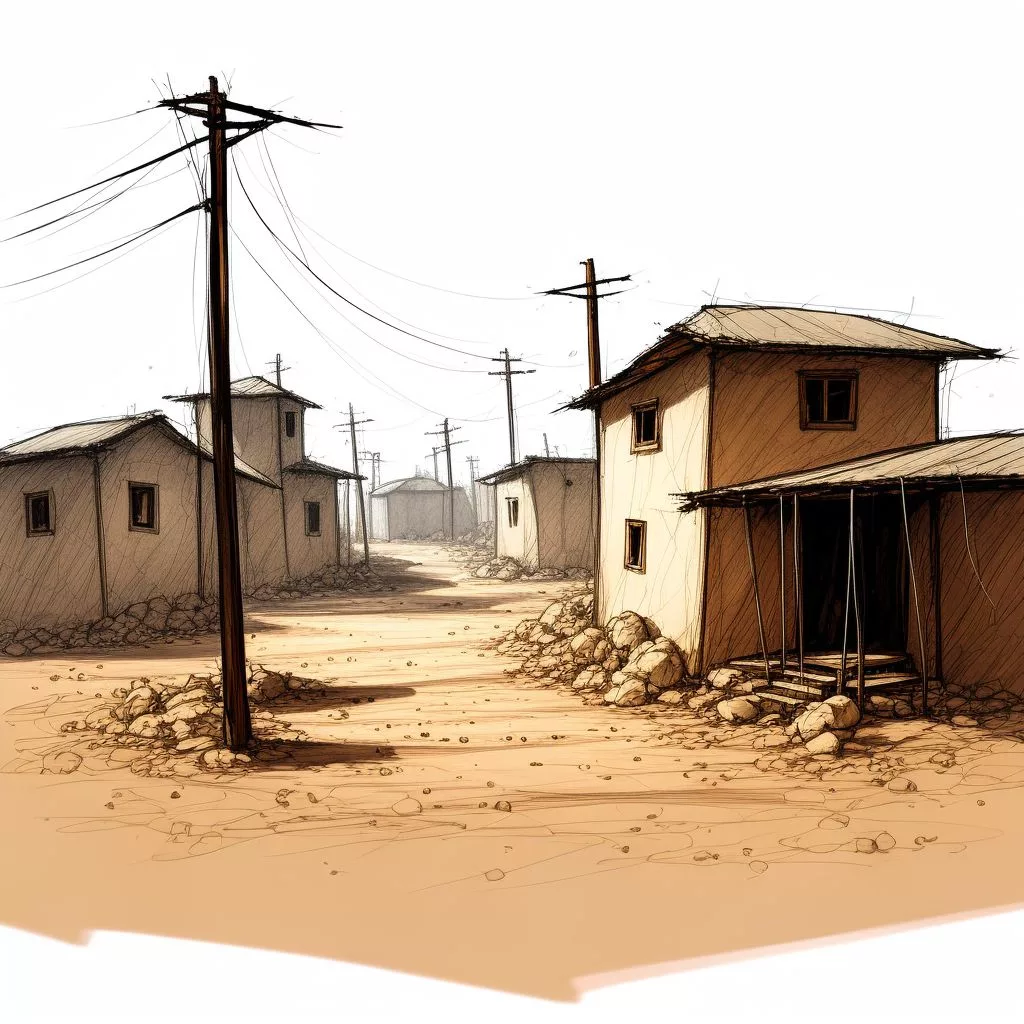
South Africa’s housing projects face many problems like slow building, land fights, and poor teamwork between government groups. But there are bright spots too—places like Slovo Park now have electricity, and New Mandela Square is starting to welcome new homes. People keep pushing for better communication and quicker action, because a safe home is more than just shelter; it’s about dignity and belonging. Despite setbacks, communities and leaders continue working hard to turn housing dreams into reality.
What are the main challenges and progress in South Africa’s human settlements and housing projects?
South Africa’s human settlements face challenges like procurement delays, land disputes, and interdepartmental coordination issues. Progress includes electrification in Slovo Park, planned water infrastructure, and new homes at New Mandela Square. Oversight and community engagement remain crucial for advancing housing rights and dignity.
Petitioning for Dignity: South Africans Seek Progress in Human Settlements
South Africa’s housing landscape reveals a constant interplay between the authorities shaping policy and the communities demanding action. Nowhere is this dynamic more visible than in the work of the Portfolio Committee on Human Settlements. This parliamentary body acts as both referee and advocate, weighing the pressing appeals of citizens while pushing government departments and municipalities to meet their obligations. On a pivotal Monday in July 2025, committee members gathered for the latest updates on a series of petitions—each reflecting the struggles, hopes, and setbacks that define the nation’s ongoing housing story.
Slovo Park: Small Steps Toward Lasting Change
The story of Slovo Park, perched on the fringes of Johannesburg, epitomizes both the possibility and frustration at the heart of urban renewal. For years, Slovo Park’s residents have lived in a state of limbo, caught between promises of better living conditions and the inertia of officialdom. Each new announcement has arrived with both anticipation and skepticism, shaped by a long history of unmet commitments.
Recently, however, the landscape began to shift. The Gauteng Department of Human Settlements, working in tandem with the City of Johannesburg, finally delivered on a crucial pledge by bringing electricity to the settlement’s homes. This achievement resonated deeply within the community, signaling tangible progress after years of uncertainty and disappointment. In the context of South Africa’s broader efforts to extend basic services, this milestone echoed earlier periods of nationwide infrastructure development—most notably the initial push for mass housing and electrification in the post-apartheid era.
The committee also received word that Joburg Water had secured the mandate to install long-awaited water and sanitation infrastructure. For Slovo Park, where daily life has long revolved around coping without reliable access to clean water or sewage systems, this prospect carried profound significance. Committee members recognized the symbolic and practical impact of these advances. They encouraged city and provincial officials to maintain this newfound momentum, knowing that visible progress can quickly stall if administrative challenges go unaddressed.
Indeed, the committee did not shy away from acknowledging persistent obstacles. Procurement bottlenecks, lack of transparency in tender procedures, and sluggish communication have previously undermined projects just as they promised transformation. Members stressed the need for swifter procurement and clear, regular updates for residents. Mr. Nocks Seabi, chair of the committee, highlighted the fundamental role of open dialogue in maintaining peace: “Stakeholder engagement is critical to allay fears and eliminate any flare-up of protests. It is critical that as new developments arise and some impediments delay projects, people are informed.” His words recalled earlier moments in South African history, when the flow of information shaped not only public sentiment but also the course of protest and negotiation.
MAWIGA Petition: Confronting Official Missteps
The committee also heard from the petitioners behind MAWIGA—representing the areas of Mabopane, Winterveld, and Ga-Rankuwa. Their appeal painted a different, if equally urgent, picture of struggle. Here, the issue was not the slow pace of building, but the confusion and potential misconduct surrounding property ownership and rights.
Residents alleged that officials from the City of Tshwane and the North West Housing Corporation had transferred their properties or sold them without consent. This charge cut deep, evoking bitter memories of forced removals and land dispossession that still shape South Africa’s collective consciousness. The committee acknowledged some movement on the case: the relevant authorities had finally identified two sites and reached agreement on their use. However, the news that top structure construction would not commence until the following year left many feeling exasperated, after years of repeated delays and bureaucratic wrangling.
Members responded by insisting on more rigorous oversight and clearer deadlines. They directed officials to provide regular progress reports and ensure that affected families remained in the loop. The committee focused especially on the need for decisive administrative action, highlighting the dissonance between the slow rhythm of government work and the immediate needs of those awaiting homes. In one particularly troubling instance, Mr. Mere, a petitioner, found his plans for a new home stalled because the City of Tshwane had failed to obtain a necessary clearance certificate. The committee pushed city and provincial officials to prioritize the paperwork and keep Mr. Mere informed at every step.
Another case placed a spotlight on Mr. Kgasoe, a military veteran, whose housing application had stalled because the allocated site sat on prime land in Rustenburg. The municipality hesitated, citing the high value of the property. The committee urged officials to seek an alternative site without sacrificing the dignity or involvement of the veteran, insisting that all decisions include meaningful consultation with those most affected.
New Mandela Square: Navigating Complex Partnerships
On the other side of the country, the New Mandela Square development in the Western Cape offered a glimpse of what could happen when government agencies work together—but also the risks when coordination falters. The committee learned that the project had cleared several milestones, with new homes finally appearing on the horizon. For the families waiting to move in, each new foundation and wall raised spirits and hopes.
Yet challenges persisted. The project’s success relied on a delicate balance between local, provincial, and national authorities. Each agency brought its own timelines, regulations, and constraints. A delay in the procurement of private land, a missed deadline for installing bulk services, or a holdup in interdepartmental communication threatened to derail the entire effort.
Committee members turned to history for guidance, recalling previous housing projects where lack of coordination had led to delays and public outcry. The stalled upgrades in places like Alexandra, or the infamous sanitation battles in Khayelitsha, served as cautionary tales. The committee urged all involved parties to anticipate potential bottlenecks and confront them before they could stall progress.
The evolving story of New Mandela Square echoed a familiar pattern in post-1994 South Africa: ambitious plans meeting the messy realities of bureaucracy and interdepartmental rivalry. For the committee, the lesson remained clear—effective oversight and proactive problem-solving must accompany every stage of the process, lest the dreams of new homeowners fade amid endless red tape.
Housing Struggles and the National Dream
Beneath each petition and every committee report lies a deeper truth about South Africa’s ongoing transformation. For many, the promise of secure housing signals far more than a roof overhead; it speaks to recognition, stability, and a sense of belonging. Since the earliest days of democracy, housing policy has occupied a central place in the country’s vision for justice and equality.
Reality, however, often diverges from policy. For those living in Slovo Park, awaiting their homes in MAWIGA, or watching progress in New Mandela Square, a new house means a claim to citizenship and a stake in the nation’s future. The importance of this aspiration emerges in the work of South Africa’s artists and chroniclers, from the photographs of township life by David Goldblatt to the vibrant murals that brighten city walls. The home, in these works, becomes both refuge and symbol—a place to gather, dream, and build a future.
The committee’s recent deliberations offered a window into how South Africa continues to grapple with the legacy of apartheid-era inequalities. While new obstacles constantly arise—from administrative delays to disputes over land value—the work of building communities moves forward, propelled by persistence, oversight, and the steadfast engagement of ordinary citizens.
Word count: ~1,075 words
FAQ: South Africa’s Human Settlements and Housing Projects
1. What are the main challenges facing South Africa’s housing projects?
South Africa’s housing projects encounter several significant challenges including procurement delays, land disputes, and poor coordination between government departments and municipalities. These obstacles often slow down construction and delivery of housing, leading to frustration among residents. Issues like lack of transparency in tender processes and sluggish communication further hamper progress.
2. What progress has been made in improving living conditions in areas like Slovo Park?
Slovo Park, located near Johannesburg, has seen important developments such as the recent electrification of homes, marking a significant milestone after years of waiting. Additionally, Joburg Water has been authorized to install essential water and sanitation infrastructure, which will greatly improve residents’ quality of life. These advances are the result of collaboration between the Gauteng Department of Human Settlements and the City of Johannesburg, showing that coordinated efforts can yield tangible results.
3. How does the Portfolio Committee on Human Settlements support housing development?
The Portfolio Committee on Human Settlements plays a dual role as both an overseer and advocate. It monitors government departments and municipalities to ensure they fulfill their housing obligations and responds to petitions from communities experiencing housing challenges. The committee stresses the importance of transparency, stakeholder engagement, and timely communication to prevent delays and build trust between residents and officials.
4. What issues have been raised by the MAWIGA petitioners regarding property rights?
Petitioners from Mabopane, Winterveld, and Ga-Rankuwa (MAWIGA) raised concerns about alleged unauthorized transfer or sale of their properties by the City of Tshwane and the North West Housing Corporation. These claims evoke historic fears of forced removals and dispossession. The committee has pushed for clearer oversight, regular progress updates, and decisive administrative action to protect residents’ rights and ensure that housing projects proceed without further delays.
5. What is the current status and challenge of the New Mandela Square housing project?
New Mandela Square in the Western Cape has made visible progress with new homes under construction, raising hope for waiting families. However, the project faces challenges due to the complex coordination required among local, provincial, and national authorities. Delays in land procurement, installation of bulk services, and interdepartmental communication bottlenecks threaten to stall progress. Effective oversight and proactive problem-solving are crucial to prevent these setbacks.
6. Why is secure housing considered more than just having a roof over one’s head in South Africa?
In South Africa, secure housing symbolizes much more than shelter; it represents dignity, belonging, and citizenship. Due to the country’s history of apartheid and land dispossession, having a safe home is tied to social justice, stability, and recognition within the community. Housing policies aim to transform inequalities and provide residents with a stake in the nation’s future, making the delivery of proper human settlements a deeply significant and ongoing mission.
If you have more questions or need updates on specific projects, monitoring parliamentary reports and community notices can provide the latest information.