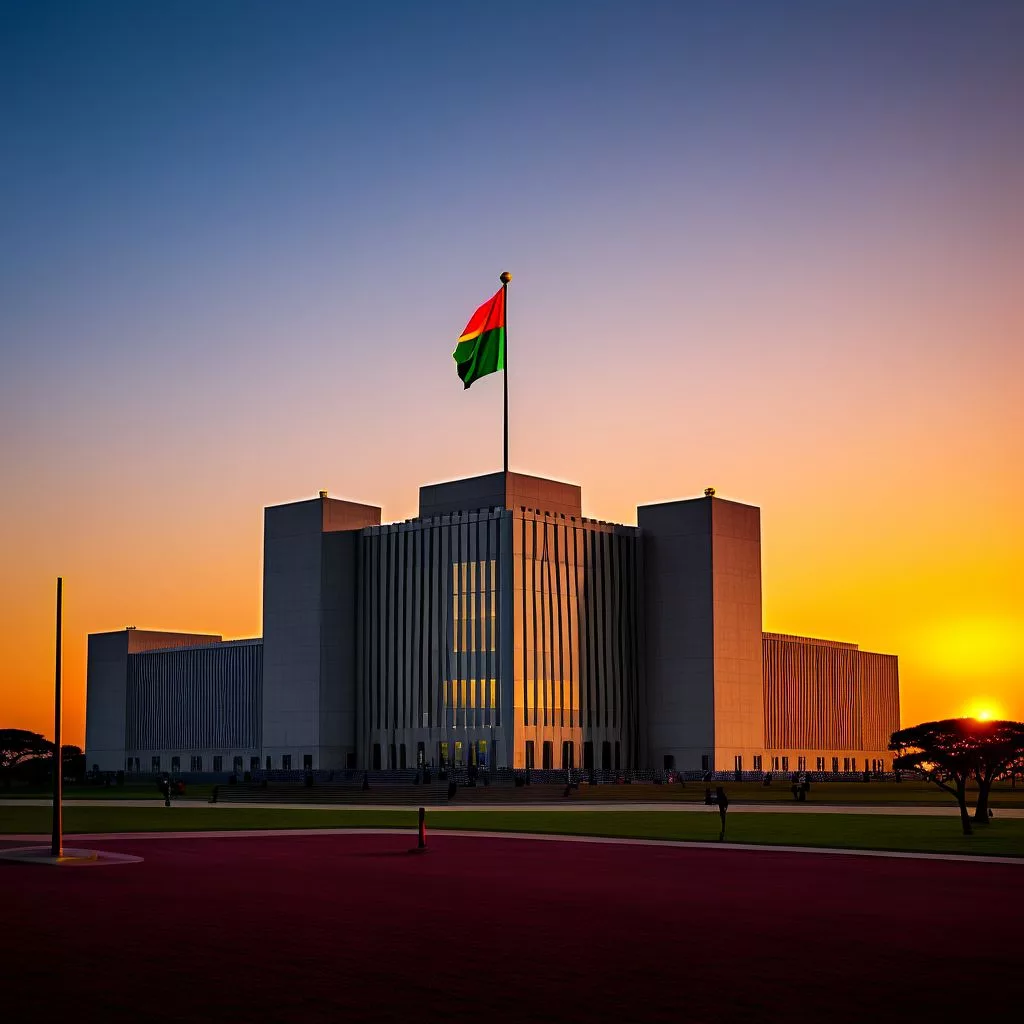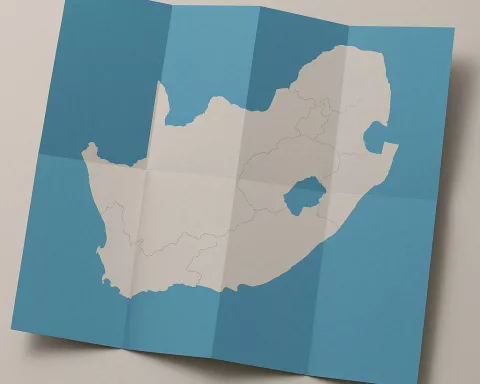

SCOPA is digging deep into the Road Accident Fund (RAF) to uncover why it’s struggling so much. They’re looking at bad leadership, messy money management, shady contracts, rising legal bills, fraud, old technology, and unhappy staff. This investigation aims to find out what went wrong and fix it, so the fund can better help people hurt in road accidents. With public hearings and strong oversight, SCOPA wants to bring honesty and trust back to this important fund for South Africans.
What is SCOPA’s audit investigating in the Road Accident Fund (RAF)?
SCOPA’s audit investigates the RAF’s governance failures, financial mismanagement, procurement irregularities, excessive legal costs, fraud, technology challenges, and human resource issues. The inquiry aims to restore accountability, transparency, and public trust in this crucial South African fund supporting road accident victims.
Parliament Hill in Cape Town thrummed with anticipation when SCOPA—the Standing Committee on Public Accounts—unveiled a sweeping investigation into the Road Accident Fund (RAF). This fund, a linchpin in South Africa’s social support system, has long promised to protect victims of traffic collisions. But as years have passed, questions about integrity, financial discipline, and ethical stewardship have mounted. Recent controversies over maladministration, questionable expenditures, and alleged corruption have put the RAF in the spotlight, prompting SCOPA to take decisive action. Now, the committee stands ready to dissect years of operations, calling witnesses and experts to untangle what went wrong and why public confidence has wavered.
SCOPA’s inquiry signals more than a routine audit: it’s a moment to rebuild trust and reinforce accountability. Since its inception in post-apartheid South Africa, the committee has operated as Parliament’s primary bulwark against waste and mismanagement. Its latest mission is both forensic and restorative—a process designed to expose the truth, hold individuals responsible, and set a new course for the RAF.
Parliamentarians, supported by investigators and civil society monitors, will pore over documents, financial statements, and personal testimonies. Their goal is clear: restore faith in a vital public institution and ensure that justice and support reach those South Africans most affected by road accidents.
Inquiry Origins and Areas of Focus
SCOPA’s decision to probe the RAF reflects both tradition and necessity. As Parliament’s watchdog, the committee has earned a reputation for thorough and fearless investigation. With this new inquiry, SCOPA turns its attention to the period from 2020/21 through 2024/25, but the committee also remains open to investigating past incidents that may explain current problems. This willingness to look backward ensures that the inquiry addresses root causes, not just recent symptoms.
The committee has identified seven key domains to scrutinize: governance breakdowns, financial management lapses, procurement irregularities, runaway legal expenses, incidents of fraud, technological modernization, and human resource policies. Each of these areas points to recurring themes in the RAF’s troubled history, and together they map the full extent of institutional challenges.
This comprehensive framework promises an investigation that goes beyond surface-level findings. By targeting both systems and individuals, SCOPA aims to understand not just what happened, but why—and how to prevent it from happening again. These terms of reference set a high bar for transparency and reform, reflecting the seriousness with which Parliament approaches its duties.
Governance and Financial Stewardship
Questions about governance lie at the heart of the RAF’s current crisis. Stories of boardroom disputes, political interference, and overlooked warning signs have become commonplace among those familiar with the fund’s inner workings. In some instances, weak board oversight and unclear lines of accountability created breeding grounds for mismanagement. The effectiveness of oversight from both the board and responsible ministers will be a central focus in SCOPA’s probe, as the committee assesses where leadership failed to act—or acted improperly.
Drawing on traditions of good governance, SCOPA is determined to clarify roles, responsibilities, and the mechanisms that should keep public institutions honest. By evaluating both serving and former board members, and scrutinizing the interventions of relevant ministers, the committee will attempt to pinpoint failures and recommend corrective action. This approach echoes global best practices, while remaining sensitive to South Africa’s unique context.
Financial management forms another pillar of the investigation. The Public Finance Management Act (PFMA) sets clear standards for handling public money, but compliance is only part of the equation. SCOPA will examine the RAF’s financial statements, track the flow of billions of rand, and pay special attention to areas of alleged noncompliance, wasteful expenditure, and creative accounting. Years of audit reports—from the Auditor-General and independent watchdogs—have chronicled delayed payments, soaring liabilities, and unclear reserves. By shining a light on these practices, Parliament hopes to ensure that public funds serve their intended purpose.
Procurement, Litigation, and the Human Element
Procurement processes and supply chain management have historically invited abuse, and the RAF is no exception. Reports of questionable tenders, poorly managed contracts, and conflicts of interest have long dogged the fund. SCOPA’s choice to focus here signals a drive to address foundational weaknesses that allow irregularities to flourish. By dissecting procurement decisions and scrutinizing the conduct of panels and officials, the committee aims to close loopholes and restore integrity to the system.
Legal expenses provide another window into the fund’s troubles. Over the past decade, the RAF has seen legal costs spiral as more claimants and service providers turn to the courts to resolve disputes. This pattern not only drains resources but also diverts attention from the fund’s core mission of supporting accident victims. By examining the drivers behind excessive litigation and the allocation of legal resources, SCOPA hopes to strike a balance between necessary defense and unnecessary expenditure.
People, not just systems, define the RAF’s effectiveness. Human resource practices have come under fire as reports of low staff morale, rapid turnover, and unresolved labour disputes have surfaced. These challenges, while sometimes dismissed as “soft” issues, have real consequences for service delivery and financial health. The investigation will look at the workplace culture, staff management policies, and their impact on claimants, recognizing that no system can function better than the people who run it.
Technology, Fraud, Whistle-blowers, and Public Accountability
Modernizing claims processing through automation stands as both a challenge and an opportunity for the RAF. Efforts to digitize operations have often faltered due to outdated technology, inadequate training, or resistance from within. SCOPA will assess how these modernization attempts have affected service delivery, especially for ordinary South Africans who rely on the fund after traumatic events. Understanding both the successes and pitfalls of past efforts will inform future reforms.
Fraud and corruption continue to undermine the RAF’s reputation and effectiveness. The inquiry will draw on evidence from internal audits, external investigations, and, crucially, whistle-blowers who bring first-hand knowledge of wrongdoing. These individuals—often at personal risk—can provide insights that would otherwise remain hidden in official reports. SCOPA’s receptiveness to whistle-blower testimony marks a commitment to exposing hidden networks of complicity and learning from those closest to the issues.
Transparency remains central to SCOPA’s process. The committee has pledged to conduct hearings in public, broadcast proceedings, and publish evidence unless confidentiality or legal constraints intervene. Witnesses, including RAF officials, board members, and affected parties, will testify under oath. While legal representatives may advise their clients privately, they cannot participate directly in the hearings, ensuring that proceedings remain focused and orderly. The committee can also summon reluctant individuals and refer urgent matters to law enforcement as needed—underscoring Parliament’s authority and commitment to accountability.
Timelines, Venues, and the Path Forward
Hearings are scheduled to begin in mid-September 2025, with a goal of concluding by October’s end. While Parliament’s Cape Town precinct will serve as the primary venue, the committee remains flexible—ready to convene elsewhere or online if needed. Hybrid and virtual formats, adopted widely after global disruptions, promise broader access and engagement from the public.
SCOPA’s process echoes the best practices of oversight bodies worldwide, blending rigorous investigation with openness to public input. Interim reports and early interventions remain on the table if urgent findings arise during the inquiry.
As the investigation unfolds, it captures the ongoing struggle to balance transparency, accountability, and the public good. The lessons learned from the RAF’s saga will shape not only the fund’s future, but also the broader culture of public service in South Africa. By confronting the challenges head-on, SCOPA reaffirms the principle that no institution—and no individual within it—stands above scrutiny.
The RAF inquiry stands as a testament to Parliament’s ongoing commitment to oversight and renewal. SCOPA’s investigation will not only address specific allegations of mismanagement but also chart a path toward institutional healing. Through rigorous examination of governance, finances, procurement, technology, and personnel, the committee seeks to restore a sense of stewardship and public trust.
This chapter in South Africa’s democratic journey reaffirms the power of accountability and the enduring importance of strong parliamentary oversight. As witnesses testify, documents are scrutinized, and the public watches, the inquiry becomes more than a bureaucratic exercise—it transforms into a vital expression of democratic values. The Road Accident Fund, and the millions it serves, deserve nothing less.
FAQ: SCOPA’s Audit of the Road Accident Fund (RAF)
What is the purpose of SCOPA’s audit into the Road Accident Fund?
SCOPA’s audit aims to investigate why the RAF is struggling to fulfill its mandate of supporting victims of road accidents in South Africa. The inquiry focuses on uncovering governance failures, financial mismanagement, procurement irregularities, excessive legal fees, fraud, outdated technology, and human resource challenges. Ultimately, SCOPA seeks to restore accountability, transparency, and public trust in the RAF, ensuring it can effectively serve those in need.
Which specific areas is SCOPA investigating within the RAF?
The investigation targets seven key areas:
– Governance breakdowns and leadership issues
– Financial management and compliance with the Public Finance Management Act (PFMA)
– Procurement processes and contract irregularities
– Rising legal costs due to litigation
– Fraud and corruption allegations
– Challenges in technological modernization and claims processing
– Human resource policies, workplace culture, and staff morale
By thoroughly examining these domains, SCOPA hopes to identify root causes and recommend reforms.
How does SCOPA conduct its investigation and ensure transparency?
SCOPA conducts public hearings, allowing witnesses—including RAF officials, board members, victims, and whistle-blowers—to testify under oath. Proceedings are broadcasted and documented unless confidentiality or legal restrictions require otherwise. The committee has powers to summon witnesses, scrutinize documents and financial records, and refer cases of wrongdoing to law enforcement. Legal representatives may advise clients privately but cannot participate directly during hearings, maintaining focus and order.
What governance and financial issues have been identified in the RAF?
Governance challenges include boardroom disputes, political interference, weak oversight, and unclear accountability lines. Financially, SCOPA is investigating non-compliance with the PFMA, delayed claim payments, soaring liabilities, wasteful expenditure, and questionable accounting practices. Previous audit reports have highlighted these issues, showing how leadership failures and poor financial stewardship have contributed to the RAF’s current difficulties.
Why are procurement and legal costs a concern for the RAF?
Procurement irregularities—such as questionable tenders, conflicts of interest, and poorly managed contracts—have plagued the RAF, leading to inefficiencies and potential corruption. Additionally, litigation costs have skyrocketed as more claimants and service providers resort to courts, draining resources that could otherwise support accident victims. SCOPA’s investigation aims to close gaps in procurement processes and find a sustainable balance in managing legal expenses.
When and where will SCOPA’s hearings take place, and what is the expected outcome?
Hearings are scheduled to start in mid-September 2025 and conclude by the end of October 2025. The primary venue will be Parliament’s precinct in Cape Town, with flexibility for hybrid or virtual sessions to allow wider public participation. SCOPA intends to produce comprehensive recommendations for reform, strengthen RAF oversight, and restore public confidence. The inquiry also serves as a broader reaffirmation of parliamentary accountability and the importance of transparent governance in South Africa.
If you want to learn more about SCOPA or follow the hearings, official Parliamentary channels and media outlets will provide updates throughout the process.