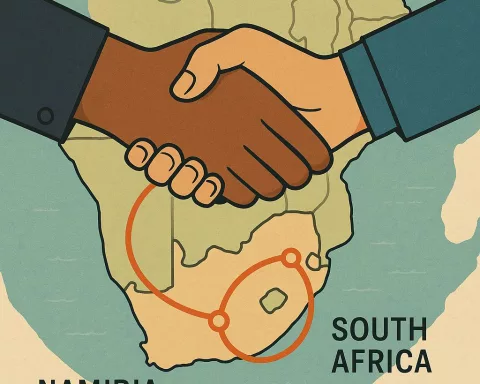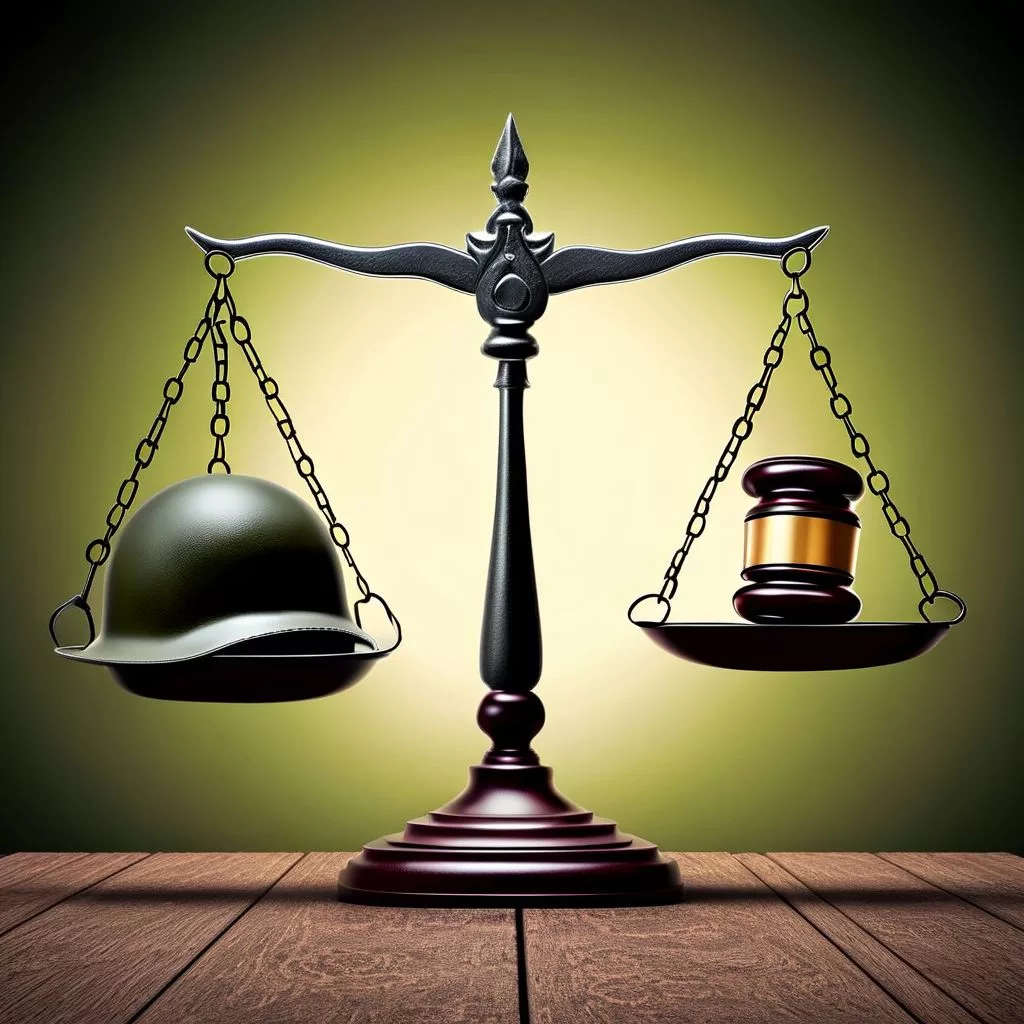
The South African National Defence Force (SANDF) protects the country’s safety and unity while working hard to become modern, fair, and open. It faces big challenges like improving discipline, managing money better, and making sure its people reflect South Africa’s diverse population. Veterans need more support as they leave service, and leaders must fix slow changes and staff problems. With strong watchfulness from Parliament and dedication to change, the SANDF strives to build a defense force that truly serves and represents all South Africans.
What is the role and current challenge of the South African National Defence Force (SANDF)?
The SANDF safeguards South Africa’s security and unity through democratic oversight and transformation. Key challenges include enforcing military discipline, improving financial accountability, advancing diversity, supporting veterans, and addressing personnel issues to ensure a modern, transparent, and effective defense force.
Foundations of the SANDF: History, Law, and Oversight
Each morning, the halls of South Africa’s Parliament catch the first golden rays of sunlight, as if illuminating the weighty duties borne within. Among these responsibilities, the South African National Defence Force (SANDF) stands out for both its symbolic meaning and its practical importance. More than just a military, the SANDF carries the nation’s aspirations for security, unity, and transformation—its roots stretching deep into the complex soil of South Africa’s past.
The post-apartheid era demanded a thorough reimagining of national defense. Anchored in the Defence Act (No. 42 of 2002), the SANDF embodies the ideals of a united, democratic South Africa. This legislation did not simply recast the military’s structure; it defined its place within civil society. The Defence Review of 2015 built on this foundation, charting a vision for the SANDF as an agile, modern, and accountable force, committed to serving all South Africans regardless of their background.
Oversight remains central to this structure. Parliamentary committees—particularly the Select Committee on Security and Justice under the leadership of figures like Ms Jane Mananiso—play a critical role in ensuring that the SANDF lives up to its values. These committees do not merely monitor; they shape, question, and guide, providing the necessary counterbalance to military authority and grounding the defense sector in constitutional principles.
Governance and Reform: The Ongoing Struggle
Maintaining an effective defense force goes beyond military might; it relies on robust internal governance and a culture of accountability. The SANDF faces several persistent challenges in this regard. The much-anticipated Military Discipline Bill stands as a poignant example. Envisioned as a tool to modernize the military justice system and reinforce internal discipline, the Bill has struggled to move from intention to implementation. Delays and lack of decisive progress have frustrated both lawmakers and the public, as unresolved disciplinary issues can undermine confidence in the force as a whole.
Alongside legal reforms, financial stewardship poses another major test. The shadow of the late 1990s Arms Deal—still vivid in public memory—serves as a cautionary tale of what can go wrong when oversight falters. The Public Finance Management Act (PFMA) now provides a framework for sound financial management, but challenges persist. The Auditor-General continues to flag irregular expenditures and lingering supply chain problems, highlighting the urgent need for tighter controls and greater transparency.
Committee scrutiny extends to these financial practices, seeking to ensure that past mistakes are not repeated. Lawmakers demand prompt action on audit findings and expect the SANDF to align its procurement and spending with national standards. These efforts are ongoing, underpinned by a recognition that every misspent rand represents a lost opportunity to strengthen the nation’s security and serve its people.
Institutional inertia and resistance to change further complicate reform efforts. Even when policies are in place, translating them into meaningful action can prove elusive. The SANDF, like many complex organizations, must deal with the slow churn of bureaucracy, ingrained habits, and the perennial challenge of aligning daily practices with the high ideals set forth in policy documents.
Transformation, Representation, and the Plight of Veterans
The SANDF’s evolution mirrors South Africa’s broader struggle for equity and social justice. From its inception, the force has aimed to reflect the country’s diversity, with the Defence Review laying out explicit goals for gender and racial representation. Creating a military that looks like the nation it serves is both a moral imperative and a strategic necessity. Yet, progress often stalls at the implementation stage, hindered by institutional inertia and resource limitations.
Efforts to build a representative leadership have made strides, but obstacles remain. The tension between policy and practice is evident in the slow pace of transformation at higher ranks. Closing this gap remains a key priority for Parliament and the public alike, who see the SANDF’s success as a bellwether for the nation’s journey toward true equality.
The treatment of military veterans is another area where the SANDF’s values are put to the test. The Military Veterans Act (No. 18 of 2011) enshrined a commitment to supporting those who served, promising everything from housing and education to healthcare and pensions. Yet, many veterans face a maze of bureaucracy and outdated systems, with benefits often delayed or denied. These challenges echo global patterns, as seen in the struggles of veterans in the United States or postwar Europe, where the transition from service to civilian life frequently exposes gaps in social support.
Reintegration programs, including mental health services and job training, are critical for veterans’ well-being and their ability to contribute to society. The SANDF’s capacity to facilitate this transition will shape public perceptions of the force and influence its ability to attract and retain new recruits. Parliament continues to press for streamlined systems and greater accountability to ensure that those who have given much to the country are not left behind.
Human Capital, Accountability, and the Path Forward
At the heart of any military organization are its people. The SANDF faces a range of personnel challenges, from an ageing workforce and limited promotion opportunities to budget constraints that prioritize salaries over training and equipment modernization. These issues are not unique to the defense sector—they echo similar concerns in South Africa’s schools, hospitals, and police services—but their impact is particularly acute in an institution tasked with national security.
Young recruits, full of promise and ambition, often encounter stagnation and a lack of upward mobility. Without clear career paths or exit strategies, both morale and operational readiness suffer. Acting appointments in senior roles add further instability, making sustained leadership and long-term planning difficult. These problems, if left unaddressed, risk eroding the very foundations of the SANDF.
Disciplinary lapses, such as cases where suspended employees receive full salaries for years without consequence, highlight the need for sharper accountability. Such incidents are not mere administrative oversights—they send powerful messages about standards, culture, and the expectations of service. Parliament’s ongoing focus on these issues reflects a broader societal insistence on transparency and ethical governance.
Financial integrity is equally crucial. Reports from the Auditor-General expose recurring problems with irregular spending, contract mismanagement, and delayed reporting. These weaknesses not only diminish public trust but also drain resources that could be better used for operational needs or supporting veterans. Drawing on lessons from other countries—such as the British Army’s reforms after the Falklands War or Germany’s post-Cold War restructuring—the SANDF has models to emulate, but must ground its solutions in the unique realities of South Africa.
Looking Outward: International Roles and Public Engagement
South Africa’s defense force operates not only at home but also on the regional and global stage. The SANDF’s participation in peacekeeping missions underscores its commitment to African stability and its willingness to shoulder broader responsibilities. Recent efforts to amplify African voices in global forums, such as the P20 Summit, reflect a desire to shape international norms and promote homegrown solutions to security challenges.
At home, Parliament’s efforts to engage the public—through open debates, educational tours, and transparent oversight—reinforce the link between the military and the citizens it serves. The legacy of leaders like Mr George Michalakis, who actively participates in both financial and constitutional review activities, exemplifies the spirit of public service and accountability that underpins South Africa’s democracy.
The corridors of Parliament and the barracks of the SANDF are steeped in the echoes of struggle, sacrifice, and hope. The ongoing story of South Africa’s defense force is one of negotiation between lofty ideals and the realities of implementation—a process that demands vigilance, adaptation, and, above all, a shared commitment to the nation’s future.
Guarding South Africa’s democracy requires more than arms and discipline; it calls for transparency, inclusion, and compassion both within and beyond the ranks. The SANDF, as both a reflection of the country’s history and an engine of its hopes, must continue evolving—guided by robust oversight, dynamic leadership, and the enduring trust of the people it protects.
FAQ: Guardians of South Africa – Understanding the SANDF
1. What is the primary role of the South African National Defence Force (SANDF)?
The SANDF is tasked with safeguarding South Africa’s security and national unity. It operates under democratic oversight to protect the country from threats while embodying the values of a modern, fair, and transparent defense force. Beyond defense, the SANDF contributes to peacekeeping in Africa and supports social cohesion by reflecting South Africa’s diverse population.
2. What are the main challenges currently facing the SANDF?
Key challenges include improving military discipline, enhancing financial management and accountability, accelerating transformation to better represent South Africa’s demographics, and providing adequate support to veterans transitioning to civilian life. Additionally, the SANDF struggles with personnel issues such as aging staff, limited promotion opportunities, and leadership instability, all of which affect operational readiness.
3. How does parliamentary oversight influence the SANDF?
Parliament, through committees like the Select Committee on Security and Justice, exercises crucial oversight over the SANDF. This oversight ensures military accountability, monitors financial practices, and pushes for reforms such as the Military Discipline Bill. Parliamentary scrutiny helps align the SANDF’s conduct with constitutional principles, promotes transparency, and holds leadership responsible for progress on transformation and veterans’ welfare.
4. What progress has been made in transforming the SANDF to reflect South Africa’s diversity?
The SANDF aims to mirror the nation’s racial and gender diversity, as outlined in the Defence Review of 2015. While strides have been made, especially at junior levels, transformation at senior ranks remains slow due to institutional resistance and resource constraints. Parliament continues to prioritize this issue, recognizing that true representation is essential for legitimacy and morale.
5. What support systems exist for SANDF veterans and what challenges do they face?
The Military Veterans Act (No. 18 of 2011) guarantees support in areas such as housing, healthcare, education, and pensions. However, many veterans face bureaucratic delays, inadequate service delivery, and difficulties navigating benefits. Reintegration programs including mental health support and job training are crucial but need strengthening to ensure veterans can successfully transition to civilian life.
6. How does the SANDF engage with international security efforts and the South African public?
Internationally, the SANDF participates in peacekeeping missions to promote regional stability and contributes to forums like the P20 Summit to elevate African security perspectives. Domestically, the SANDF and Parliament engage with the public via open debates, educational initiatives, and transparent reporting to build trust and foster a connection between the military and citizens. This engagement supports democratic oversight and public confidence in the defense forces.
If you have more questions about the SANDF’s mission, reforms, or veterans’ affairs, feel free to ask!