Cape Town is fighting gang violence with strong police actions, community teamwork, and the power of art. Police recently took away many guns and caught dozens of suspects, helping make neighborhoods safer. But beyond arrests, local artists and leaders use music, murals, and stories to bring hope and show a better way. The city’s fight is tough, shaped by its history and deep challenges, yet its people keep dreaming of peace and a brighter future. Together, police and communities work hand in hand to build safety and hope for all.
How is Cape Town fighting gang violence and crime?
Cape Town combats gang violence through focused police operations, community partnerships, and cultural initiatives. Recent efforts include seizing 24 firearms, arresting 67 suspects, and engaging residents. Alongside enforcement, art and local activism play key roles in promoting hope and lasting safety across the city.
Facing the Shadows: The Complex Terrain of Cape Town
In the vibrant heart of Cape Town, law enforcement officers carry out their duties with a steadfast sense of responsibility. The city, renowned for both its tumultuous past and its rich, colorful present, serves as a testament to resilience while also standing at the frontline of a persistent fight against gang violence. Recent days have seen a noticeable shift in the city’s atmosphere as police have undertaken a concentrated operation in neighborhoods long marked by uncertainty and the scars of crime. This developing story moves beyond mere policing, reflecting Cape Town’s intricate blend of community, history, and the unending desire for peace in the midst of upheaval.
Like many major world cities, Cape Town grapples with the enduring scourge of organized crime. The roots of this challenge run deep—nourished by decades of inequality, widespread poverty, and the fractures left by divided social systems. While parallels can be drawn with cities like Chicago during the prohibition era or Naples under the grip of the Camorra, Cape Town’s struggle is uniquely South African. The legacy of apartheid, the aspirations of a young democracy, and the creative spirit of its people all shape the character of this ongoing battle.
Crime-fighting in the Western Cape doesn’t occur in isolation. Under the leadership of figures such as Lieutenant General Thembisile Patekile, officers plan their movements with precision, concentrating on high-risk areas where violence regularly disrupts daily routines. On Sunday, June 15th, a new phase of this effort unfolded. Seasoned officers, familiar with the complex realities of the city’s neighborhoods, launched focused patrols, searches, and raids. They moved decisively, fully aware of what is at stake for families living on the dividing lines of gang-controlled territories.
Results on the Ground: Weapons Seized and Arrests Made
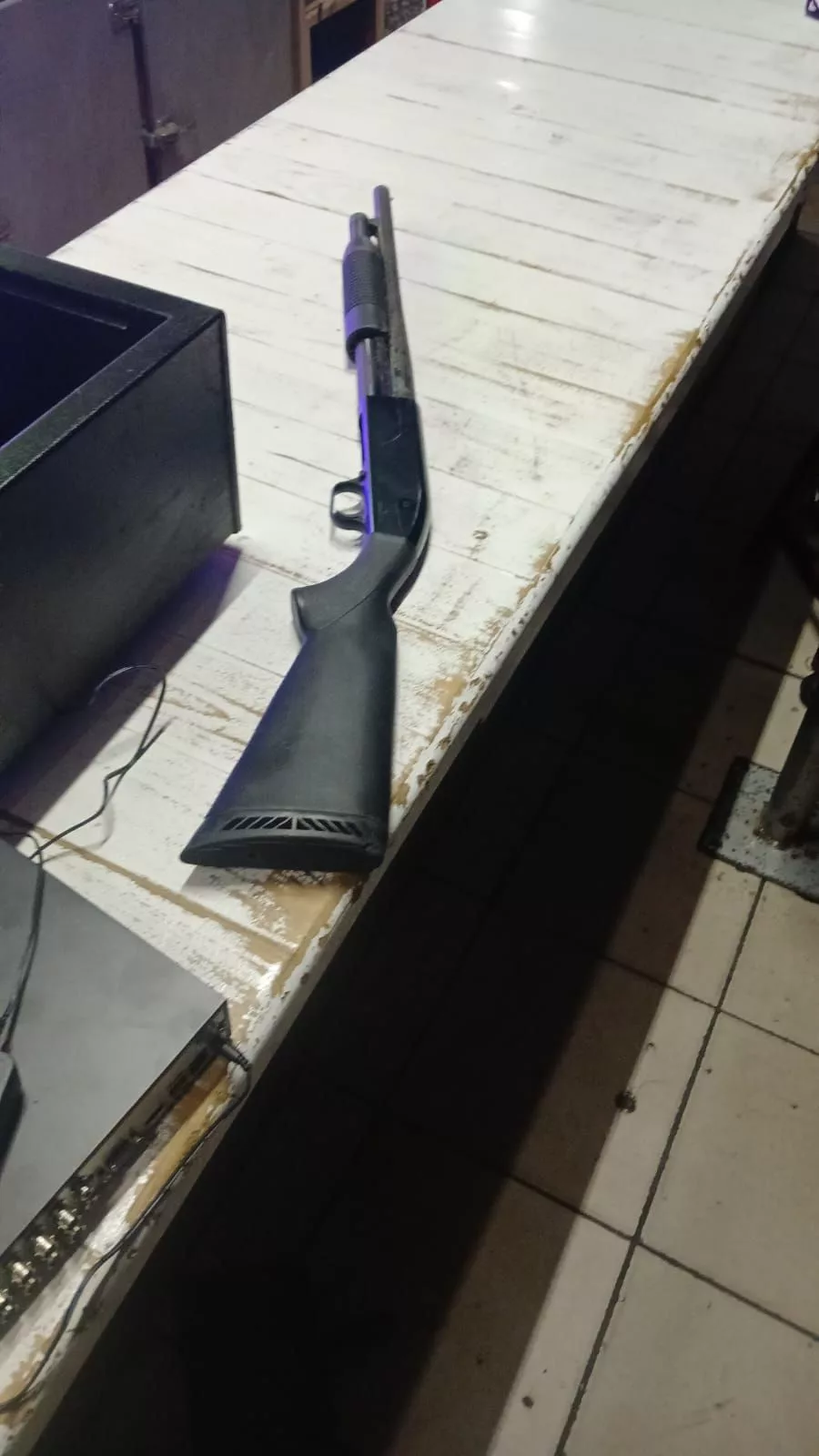
The impact of these operations became clear within just a few days. Police confiscated 24 firearms, among them an AK-47 assault rifle and a shotgun. Alongside these weapons, officers recovered 371 rounds of ammunition—a haul that represents not just tools of violence but tragedies narrowly avoided. The AK-47, an easily recognized symbol of conflict around the world, carries with it a history of war and unrest. Its appearance on Cape Town’s streets serves as a chilling reminder of the global trade in illegal arms and the deep internal divisions that continue to affect South African society.
But the efforts did not end with the removal of weapons. The police delved into the criminal networks that underpin much of the region’s turmoil, arresting 67 individuals wanted for murder and attempted murder. These numbers illustrate the scale of the challenge that law enforcement faces each day. Each captured suspect reveals another layer of the city’s underground, highlighting the far-reaching consequences of organized crime on both victims and those who become caught up in its web.
Stories circulate among both officers and city residents. A detective, seasoned by years on the force, recalls tense moments during a midnight raid in a district where darkness is broken only by the flashing lights of police vehicles. Here, split-second decisions can mean the difference between life and death. “You never grow numb to the fear you see,” he admits. “But you learn to push through it—to search for the humanity even in the hardest places.”
The Broader Canvas: Art, Community, and the Legacy of Violence
Crime in Cape Town is not just a matter for law enforcement. Artists, writers, and community leaders have long explored the uneasy relationship between crime and daily life in the city. The photographer David Goldblatt, for example, documented the silent tensions of township existence, while authors like Margie Orford and Deon Meyer craft crime novels that resonate deeply with real-world issues. These creative interpretations remind us that every statistic hides a personal story—a parent waiting for a child’s return, a young person facing impossible choices, a community hoping for calm.
The recent wave of police activity follows a tradition of proactive policing rooted in both visibility and community connections. Ideas such as the “broken windows” theory, which suggests that tackling minor offenses can prevent more serious crimes, have influenced policing methods in Cape Town. While some critics question the effectiveness and ethical implications of this strategy, its influence can be seen in the Western Cape’s ongoing use of patrols and focused operations.
Yet, the city’s struggles extend well beyond crime scenes and courtroom victories. Sociologists and urban researchers continually point to the deep divisions that still mark post-apartheid Cape Town. Invisible boundaries formed by gang territories shape the movement of residents, dictating where children can play and families can find safety. Community centers, schools, and places of worship often become sanctuaries in troubled times, though even these spaces sometimes feel the reach of violence.
Partnership and Possibility: Toward a Safer Future
Lieutenant General Patekile emphasizes the need for collaboration between police and residents, echoing a sentiment that is gaining traction among law enforcement professionals worldwide. He regularly points out that firearms have become the primary tools for criminals in the region, underscoring the urgency for a collective effort to break the cycle of violence. Trust, sustained engagement, and genuine partnership form the cornerstones of any lasting solution.
Community leaders, meanwhile, respond to new police initiatives with a blend of cautious optimism and weary experience. Many recall previous waves of crime prevention efforts—some of which faded quickly, while others left a more lasting mark. The memory of street committees formed during the struggle against apartheid still lingers, as ordinary people once took responsibility for their own neighborhoods in the absence of reliable state intervention. Today, similar grassroots vigilance persists, as residents organize watch groups, mentor local youth, and lobby for meaningful reform.
The police themselves recognize the limits of what they can achieve through enforcement alone. Confiscating firearms and arresting suspects only addresses part of a much larger challenge. Deep-rooted poverty, inadequate housing, and social alienation drive many young people toward gangs. The city’s internationally celebrated beauty—its iconic Table Mountain, thriving arts scene, and renowned vineyards—stands in stark contrast to the harsh realities faced in neighborhoods like Mitchells Plain and Manenberg.
Creativity as Resistance: Art, Democracy, and Enduring Hope
Art has always played a vital role in making sense of Cape Town’s contradictions. During the apartheid era, protest art gave voice to resistance and helped communities heal. Today, murals, music, and dance continue to provide powerful alternatives for young people who might otherwise be drawn into gang life. Local hip-hop artists and poets use their craft to share stories of hardship and hope, proving that cultural expression can be as effective a weapon against violence as traditional policing.
Observers from abroad often remark on the paradox of modern South Africa: the country’s constitution enshrines freedoms that were unimaginable under the old regime, yet structural violence persists. The Western Cape stands at this crossroads, with every police action representing both a necessary defense and an open question about the city’s future.
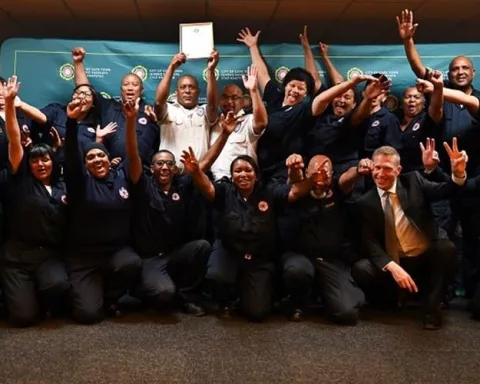
On the streets, officers encounter moments of unexpected connection. A sergeant, stopping to chat with elderly residents outside a corner shop, listens as they share memories of safer days and express worries for the next generation. Children watch these interactions unfold, perhaps learning that police officers can serve as protectors rather than adversaries.
As the Western Cape police continue their efforts, the story of Cape Town remains one of resilience, creativity, and hope. The recovery of weapons and arrest of suspects are only parts of a wider narrative composed by residents, artists, and leaders who imagine a brighter future. The journey toward peace and security continues, shaped by the city’s unique blend of struggle, innovation, and the enduring belief that change is possible.
FAQ: Cape Town’s Battle for Safety
What are the main strategies Cape Town is using to combat gang violence?
Cape Town employs a multi-faceted approach to tackling gang violence, combining focused police operations with strong community partnerships and cultural initiatives. Police conduct targeted raids and patrols in high-risk neighborhoods, seizing illegal firearms and arresting suspects involved in serious crimes. Simultaneously, local artists, writers, and community leaders engage residents through music, murals, and storytelling to promote hope, resilience, and alternatives to gang involvement.
How successful have recent police operations been in reducing crime?
Recent police efforts have yielded significant results, including the confiscation of 24 firearms—such as an AK-47 assault rifle—and the seizure of 371 rounds of ammunition. In addition, 67 suspects wanted for murder and attempted murder were arrested. These operations disrupt criminal networks and reduce the availability of weapons, which helps to lower the incidence of violent crime in affected neighborhoods.
Why is community involvement important in the fight against gang violence?
Community involvement is crucial because enforcement alone cannot address the root causes of crime. Local residents provide valuable intelligence, support neighborhood watch groups, mentor youth, and help sustain peace efforts. Grassroots activism echoes the legacy of anti-apartheid street committees, showing that trust and cooperation between police and communities build safer environments and offer young people positive alternatives to gangs.
How does art contribute to safety and social change in Cape Town?
Art serves as a powerful tool for resistance, healing, and education. During apartheid, protest art unified communities and challenged oppression. Today, murals, music, hip-hop, and poetry offer young people creative outlets to express their experiences and hope for the future. This cultural expression counters the allure of gang life by fostering identity, empowerment, and dialogue, making art an essential complement to policing efforts.
What challenges remain in addressing gang violence in Cape Town?
Despite progress, Cape Town faces deep-rooted challenges such as poverty, inequality, inadequate housing, and the legacy of apartheid segregation. Gang territories create invisible social boundaries, limiting safe spaces for families and children. Structural violence, social alienation, and the global illegal arms trade further complicate the city’s security landscape, requiring long-term, multi-dimensional strategies beyond law enforcement.
How do police balance enforcement with building trust in communities affected by violence?
Cape Town’s police recognize that visible enforcement must be paired with genuine community engagement. Officers work to maintain open communication, participate in local activities, and show respect for residents’ concerns. Leadership emphasizes partnerships to dismantle firearm circulation and gang activity while acknowledging the limits of policing alone. This balance aims to transform police from feared authorities into trusted protectors, fostering a collaborative path toward lasting peace.