South Africa’s Parliament is a busy, lively place where leaders meet each week to discuss and decide on important national issues. From setting agendas and debating budgets to deep committee work, lawmakers work hard to improve justice, security, and everyday life for citizens. Their debates highlight key challenges like land reform, education, and energy, while committees dig into details and hold the government accountable. Throughout the week, Parliament stays open to the public, showing how democracy is alive and growing in South Africa. It’s a place full of action, ideas, and hope for a fairer future.
What happens during a typical week in South Africa’s Parliament?
A typical week in South Africa’s Parliament includes:
– Setting the legislative agenda and media briefings
– Rigorous budget debates on key national issues
– In-depth committee sessions for policy oversight
– Public engagement and transparency activities
– Continuous efforts to uphold justice, security, and democratic values.
A Living Chamber: South Africa’s Parliament at Work
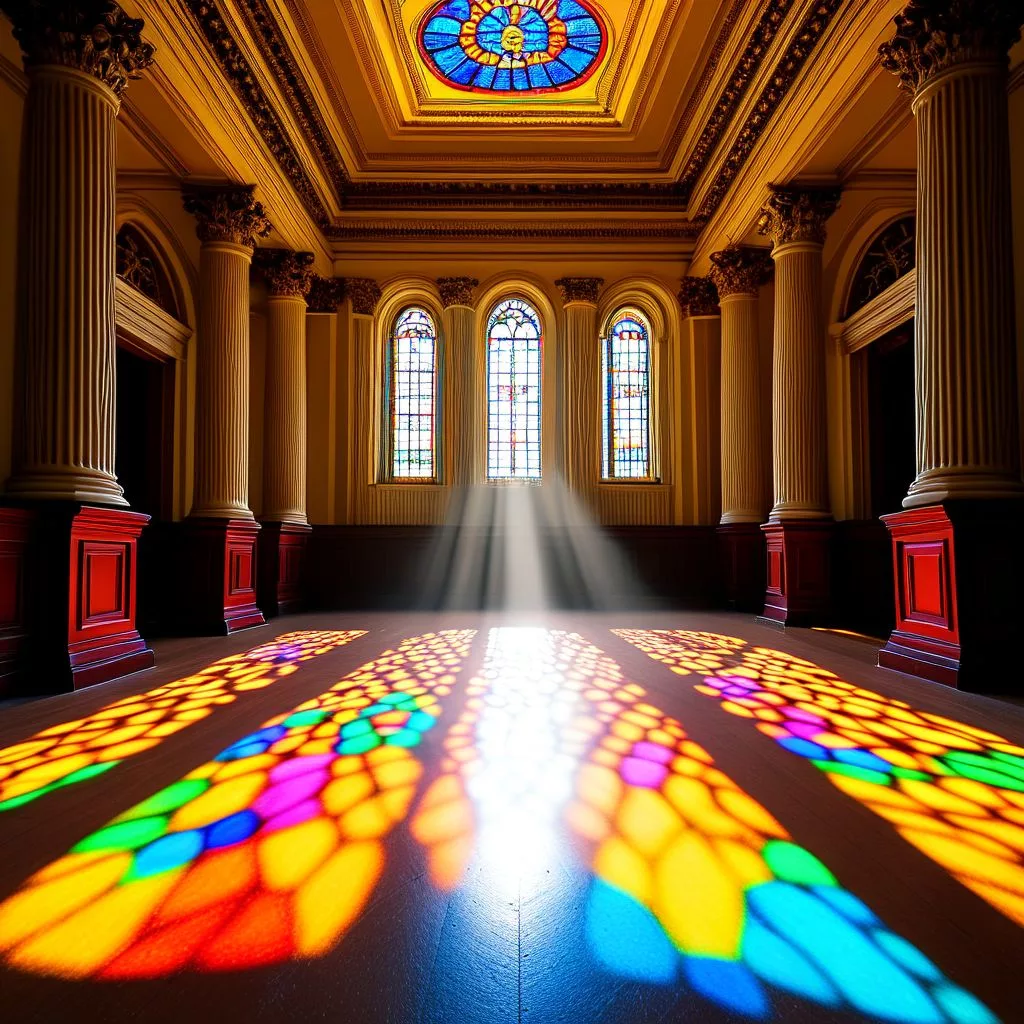
As a new week dawns in Cape Town, Parliament springs to life, each corridor and chamber filled with purpose. The historic Good Hope Chamber, bathed in sunlight filtered through stained glass, reminds both lawmakers and visitors of the ideals enshrined in South Africa’s democracy. The interplay of light and shadow on the polished floors serves as a metaphor for the nation’s ongoing journey—one where principles of justice and equality are regularly challenged, debated, and reaffirmed.
Parliament is far more than a symbolic structure; it is a space where the nation’s lawmakers gather to confront pressing issues and steer the country forward. Each week, the institution becomes a focal point for discussion, policy formation, and oversight. The activities scheduled in these hallowed halls reflect the country’s commitment to building a more just and equitable society.
The week begins with a sense of anticipation, as Parliament’s agenda promises rigorous debate and thorough examination of government action. From high-profile plenary sessions to the intricate work conducted in committee rooms, each day offers a fresh opportunity for South Africa’s democracy to prove its vitality and relevance.
Setting the Agenda: The Peace and Security Cluster Leads
On Monday, Parliament sets the tone for the days ahead with a media briefing led by the Peace and Security Cluster Committee Chairpersons. Under the banner “Deepening the values of peace, justice, safety and security,” chairpersons gather to outline their vision for the Seventh Parliament—a vision that seeks to strengthen the foundations of justice, enhance public safety, and foster trust in the country’s institutions.
Mr. Xola Nqola, heading the Portfolio Committee on Justice and Constitutional Development, addresses the complex challenges facing the judicial system. He emphasizes the need to modernize court infrastructure and underscores the importance of preserving the independence of the National Prosecuting Authority. Nqola also draws attention to ongoing reforms within the Master’s Office and the Office of the State Attorney, recognizing the hurdles that remain in building a judicial system worthy of public confidence.
Ms. Kgomotso Ramolobeng, who chairs the Portfolio Committee on Correctional Services, shifts the focus to the rehabilitation of offenders. Her remarks highlight the difficulties faced by those re-entering society after serving time, as well as the practical steps Parliament must take to improve correctional facilities and implement new strategies for remand detainees. Ramolobeng’s perspective reinforces the need to balance security concerns with the humane treatment of those in the correctional system.
Ms. Jane Mananiso, as Chairperson of the Select Committee on Security and Justice, draws attention to oversight, governance, and resource stewardship. She speaks about the critical importance of effective human resource management and the ethical responsibility to ensure that public funds are used efficiently and transparently. Meanwhile, Mr. Ian Cameron, leading the Portfolio Committee on Police, paints a candid picture of the law enforcement landscape. He discusses the persistent gap between arrests and convictions, and the recent apprehension of senior officers, underscoring the challenges facing South Africa’s police services in the post-apartheid era.
Budget Debates: Scrutinizing the Nation’s Purse
With Monday’s briefing setting the stage, Parliament moves swiftly into the heart of its weekly business: budget vote debates. These annual sessions transcend mere accounting—they are the critical mechanism by which elected representatives examine government spending, prioritize national objectives, and hold departments to account.
Tuesday’s session in the National Assembly is particularly packed, featuring six budget votes in one day. Issues such as land reform and food security dominate the debate on the Agriculture budget, reflecting the nation’s ongoing struggles and aspirations in these areas. Discussions on the National Treasury budget see Parliamentarians wrestle with questions of economic growth, fiscal discipline, and the capacity of the state to deliver on its promises, all in the context of lingering post-pandemic challenges.
Simultaneously, the National Council of Provinces focuses on Basic Education and Agriculture, ensuring that the perspectives of provinces and rural communities remain central to the national dialogue. The hybrid format of these sessions, combining in-person and virtual participation, demonstrates Parliament’s commitment to inclusivity and technological adaptation.
On Wednesday, attention shifts to a new set of departments, including Defence, Science and Innovation, Health, Water, and Justice. The session devoted to Science and Innovation spotlights South Africa’s ambition to become a leader in research and technology on the African continent, with lawmakers referencing the enduring legacy of national institutions like the Council for Scientific and Industrial Research. Meanwhile, NCOP debates on Electricity and Energy and Human Settlements take on extra urgency, given the country’s ongoing power challenges. Legislators scrutinize the upcoming energy budget, seeking a balance between expanding renewable sources, stabilizing the grid, and addressing persistent inequalities in access to services.
Committees at the Core: Where Policy Meets Oversight
While plenary debates often capture media attention, Parliament’s committees serve as the true engines of democratic governance. In these settings—whether in grand meeting rooms or via digital platforms—members dive deep into reports, question government officials, and probe the details of legislation and policy.
Tuesday morning sees the Select Committee on Security and Justice review critical reports from Home Affairs and the South African Police Service, generating tough questions about migration policy, border management, and the evolution of law enforcement practices. At the same time, the Portfolio Committee on Basic Education examines the implementation of the BELA Act regulations, which aim to streamline the admissions process for children entering Grade R—an issue of direct relevance to countless South African families.
Collaboration between the Portfolio Committee on Communications and Digital Technologies and the Justice Committee gives rise to in-depth discussion on SIM card registration and potential amendments to the Regulation of Interception of Communications Act (RICA). Lawmakers weigh the need for consumer protection against the ever-present threat of digital crime.
Oversight of public resource management is another central focus. The Select Committee on Finance consults with provincial treasuries to assess spending patterns and challenges, while the Joint Standing Committee on Financial Management of Parliament holds marathon sessions to chart the progress of institutional transformation since 1994. These activities underscore the idea that transformation is ongoing—shaped by rigorous oversight, debate, and continual adjustment.
Wednesday’s committee meetings encompass infrastructure, employment, land reform, and social services. The session on labour tenants’ applications highlights the complex and unfinished legacy of land restitution, while the Portfolio Committee on Public Service and Administration reviews the progress of digital transformation projects, echoing global conversations about the potential of e-government to improve public service delivery.
The Week’s End: Momentum and Oversight Continue
As the week nears its conclusion, Parliament’s momentum remains undiminished. Thursday begins with early meetings of the Programming Committees in both Houses, where members review upcoming legislative programmes and bills. The day also includes follow-up engagements on significant infrastructure projects, such as the Nieuwmeester Dome, reflecting the institution’s aspirations to expand and modernize its physical presence.
Friday’s agenda provides space for focused engagement on specific issues. The Portfolio Committee on Human Settlements responds to petitions from communities like Ga-Rankuwa and Slovo Park, strengthening the connection between Parliament and the lived experiences of ordinary citizens. Another session features the Department of Higher Education and Training, which discusses the appointment of new leaders for Sector Education and Training Authorities—a process vital to the country’s ongoing efforts to build skills and promote economic transformation.
Oversight committees also maintain an outward focus, with South Africa’s role in the G20 providing an important reference point for holding the executive branch to account. Committees demand regular updates on government progress, emphasizing transparency and accountability as essential pillars of democracy.
Parliament as a Living Institution
Beyond its legislative and oversight functions, Parliament remains open to the public, welcoming school groups, tourists, and citizens eager to witness democratic processes firsthand. Visitors can attend debates, tour the historic chambers, and see representatives such as Dr. Annelie Lotriet of the Democratic Alliance in action, highlighting the diversity of perspectives that inform national policy.
Parliament’s schedule brims with activity, offering insight into a robust democracy in perpetual motion. Far from being static, the institution continues to evolve, shaped by both historical legacy and contemporary urgency. Through relentless debate, thorough oversight, and broad public engagement, Parliament remains the heart of South Africa’s democratic life—always vibrant, never finished, and open to all.
What happens during a typical week in South Africa’s Parliament?
A typical week includes setting the legislative agenda, media briefings, rigorous budget debates, and in-depth committee sessions focused on policy oversight. Parliamentarians engage in public transparency activities and work continuously to uphold justice, security, and democratic values. The week begins with media briefings and progresses through plenary debates, committee meetings, and concludes with follow-ups on legislation and public petitions, reflecting active democratic governance.
How does Parliament address issues like justice, security, and social challenges?
Parliament tackles these through specialized committees led by chairpersons who focus on justice, correctional services, police oversight, and security governance. For example, the Portfolio Committee on Justice works on modernizing the judicial system and preserving prosecutorial independence. Committees also oversee rehabilitation programs, law enforcement effectiveness, and resource stewardship to ensure a balanced approach between security and humane treatment.
What role do budget debates play in Parliament’s work?
Budget debates are central to Parliament’s oversight role. Representatives scrutinize government spending, prioritize national objectives, and hold departments accountable for their use of public funds. These debates cover critical sectors such as agriculture, education, science, energy, and health, reflecting national priorities like land reform, food security, economic growth, and infrastructure development.
How do Parliamentary committees contribute to governance and policy-making?
Committees are where detailed examination and oversight happen. They review reports, question government officials, and engage with legislation across various fields including security, education, communications, finance, and land reform. Committees work collaboratively to address complex issues, ensure transparency, and monitor the implementation of government programs and reforms.
In what ways is Parliament accessible to the public and why is this important?
Parliament remains open to the public, welcoming visitors, school groups, and citizens who want to observe democratic processes. Public access to debates and tours of historic chambers fosters transparency, educates citizens about governance, and strengthens democratic participation. This openness is vital for accountability and helps build trust between the government and the people.
How is South Africa’s Parliament adapting to modern challenges and technological changes?
Parliament embraces hybrid session formats combining in-person and virtual participation, enhancing inclusivity. Committees focus on digital transformation projects and legislation related to communications technology, such as SIM card registration and digital crime prevention laws. This reflects a commitment to modernization, improving public service delivery, and ensuring governance keeps pace with technological advances.