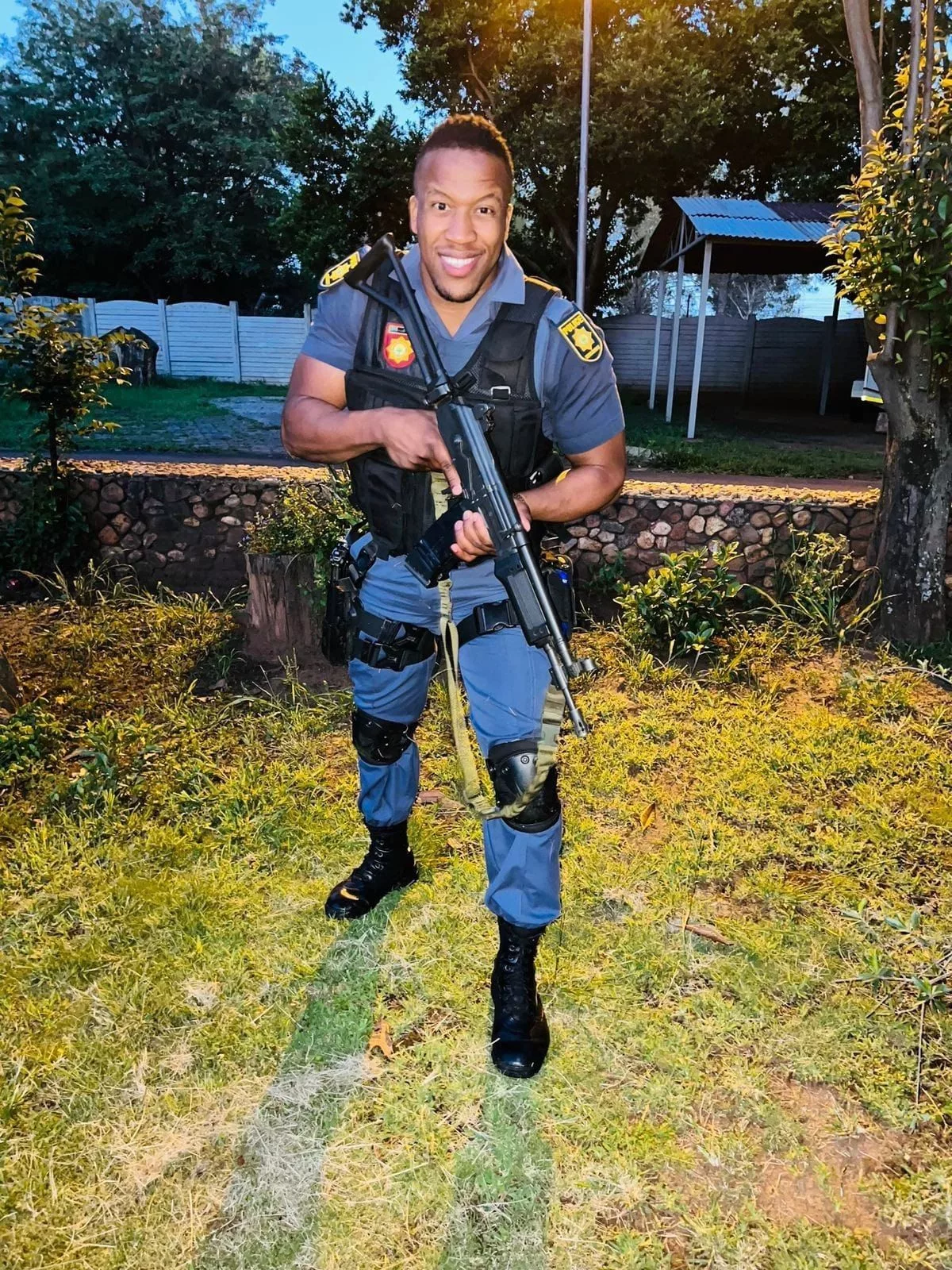
Constable Cobus van Wyk is a brave South African police officer whose life changed after a violent attack. Instead of giving up, he turned his pain into strength, joining the police and working closely with his loyal dog, Kelly. Together, they protect their community through tough patrols and rescue missions, even diving underwater to find missing people. Van Wyk’s story is one of courage, growth, and deep care, showing how everyday heroes make a real difference.
Who is Constable Cobus van Wyk and what defines his service in the South African Police Service?
Constable Cobus van Wyk is a dedicated SAPS officer known for his resilience, K9 partnership, and commitment to community safety. His journey from personal trauma to frontline policing highlights his role in K9 patrol, underwater search and rescue, and bridging gaps between law enforcement and society.
Roots of Resolve in the Free State
Dawn breaks gently over the plains of the Free State, painting the town of Welkom in hues of gold. Amid swirling dust, Constable Cobus van Wyk stands tall, every inch of him exuding a quiet determination. At his side, his formidable Rottweiler, Kelly, moves with alert confidence, her presence both reassuring and commanding. Their connection goes far deeper than shared training; it reflects a mutual dedication to service and a commitment that transcends the trappings of uniform and badge. In these early hours, the tradition of the South African Police Service (SAPS)—where individual courage upholds communal safety—comes alive in their partnership.
The roots of van Wyk’s commitment stretch back to his upbringing. Raised in a household where responsibility was woven into daily life, he could have followed a predictable path, embracing the steady pace of a small-town existence. But life rarely follows a straight line. In 2011, a violent encounter changed everything for van Wyk. A brutal attack left him with severe injuries—a shattered jaw, multiple stab wounds, and the lingering trauma of a night that stole both security and innocence. The physical scars told only part of the story; the deeper wound was psychological, a theft of trust in the world’s predictability. Yet, rather than retreat into fear, van Wyk drew strength from his ordeal. Reflecting on that life-altering event, he found a new calling: to serve on the front lines, determined to transform personal suffering into a force for public good.
This theme of transformation echoes through the ages, resonating with the philosophies of thinkers like Sartre and Camus, who argued that true meaning emerges from adversity, not comfort. Van Wyk’s decision to leave behind his role in the mining industry and his pursuit of legal studies embodied this principle. He sought out the SAPS, not just as a career, but as a crucible for growth and self-discovery. The choice marked the beginning of a journey defined as much by resilience as by ambition.
Training, Growth, and the K9 Bond
When van Wyk entered the SAPS in 2015, he embraced the demands of rigorous training at Graaff-Reinet SAPS Academy. Academy life offered more than instruction in legal statutes or technical procedures. It sharpened his ethical sensibilities and deepened his understanding of human nature. He learned not just to enforce the law, but to interpret complex, shifting situations—an essential skill at border posts like Maseru Bridge, where every interaction required insight and discretion.
The K9 Unit brought van Wyk’s early aspirations full circle. Like many South Africans, he still remembers the awe he felt as a child, watching police dog demonstrations at school. The power and control displayed by handlers and their canine partners made protection seem real and attainable. For van Wyk, those memories became a guiding force. By 2018, he realized his dream and joined the Welkom K9 Unit. Six years later, he earned official certification as a patrol dog handler, marking a new chapter in his career.
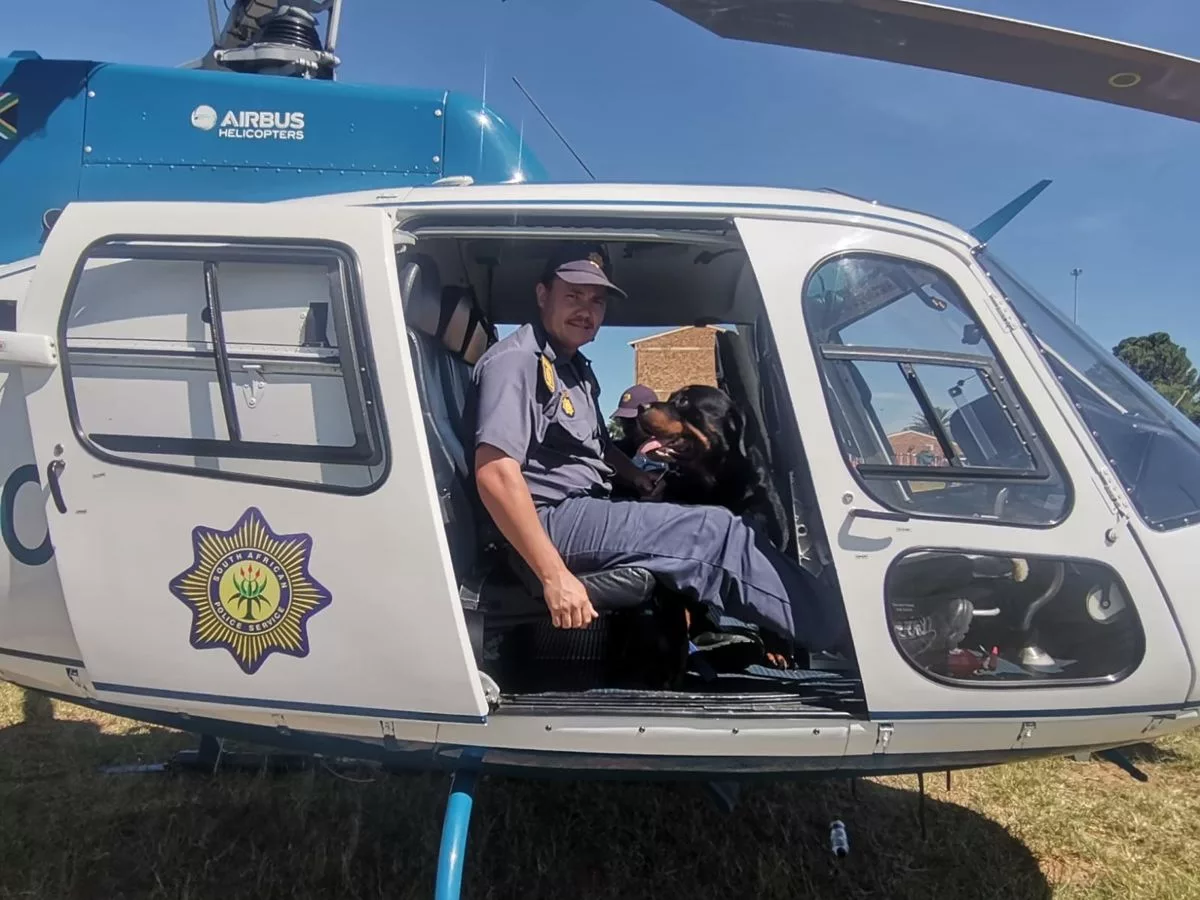
Kelly, his 42-kilogram Rottweiler partner, stood as a testament to the deep connections forged in police work. Their partnership reflected the highest values of the profession: discipline, empathy, and shared trust. Kelly’s presence alone could defuse volatile situations, her calm strength complementing van Wyk’s steady leadership. He recalls Kelly not merely as a fellow officer, but as family—a connection marked by both pride and loss. Kelly’s untimely death from health complications drove home the unique emotional bonds experienced by officers who work alongside animals. Throughout history, from the trenches of World War I to modern disaster zones, such working relationships have provided both comfort and vulnerability for those who serve.
Facing Modern Challenges and Expanding Horizons
Van Wyk’s responsibilities extend far beyond routine patrols. Each day, he finds himself in the midst of high-stakes operations—drug busts, intelligence-driven missions, and urgent calls where quick thinking can mean the difference between life and tragedy. Policing in today’s Free State bears little resemblance to the romanticized tales of old. It demands constant adaptation, creative problem-solving, and a willingness to embrace new approaches. Now, as van Wyk prepares to oversee all K9 care and training for his unit, he joins a global tradition that stretches back to the earliest days of organized policing. In Victorian London, authorities first recognized the unmatched capabilities of dogs in law enforcement, launching a tradition that continues to evolve. In South Africa, SAPS K9 units symbolize a commitment to order amid environments riddled with complexity and change.
Van Wyk’s journey did not stop with canine policing. In 2023, he took on a new challenge, joining the Free State SAPS Learner Diver Program. Under the guidance of Warrant Officer Morne Koch, he explored the rigorous world of underwater search and rescue. Whether combing the depths of the Vaal or Bloemhof Dams for evidence or missing persons, van Wyk faced the cold, murky waters with the same resolve that defined his work on land. Police divers have a storied legacy stretching back to early twentieth-century Europe, where teams recovered crucial evidence from rivers and lakes. Today, these specialized units play a critical role in South Africa—not only in crime investigations but also in combating poaching and protecting threatened aquatic ecosystems.
Community, Legacy, and the Meaning of Service
Away from the daily intensity of policing, van Wyk wears many hats. He coaches local sports teams, advocates for technological advancement in the force, and pursues lifelong learning. The concept of the “citizen-officer” is hardly recent, but van Wyk breathes new life into it. In an era when the gulf between communities and law enforcement often feels vast, individuals like him help bridge that divide, embodying the values of approachability and service. His restless curiosity and diverse interests recall the spirit of Renaissance figures—those who believed that a well-rounded life fostered both personal growth and social progress.
Van Wyk’s story interweaves with broader shifts in South African history. SAPS itself has undergone profound transformation, moving from its origins in apartheid to its present pursuit of inclusivity and effectiveness. The arrival of passionate, well-trained young officers signals renewal and hope, both in South Africa and around the world. Van Wyk stands at the forefront of this change, not only because of his technical skill but because of his philosophy: every shift is a chance to make a difference, no matter how small. His ethic echoes the wisdom of reformers and humanitarians, who recognized that lasting change springs from countless acts of commitment, not grand gestures alone.
Van Wyk’s days unfold in a steady rhythm—the care of kennels, the urgency of raids, the icy embrace of dam water. These moments form a tapestry that is at once ancient and modern, echoing traditions from the Roman vigiles to today’s high-tech units. Yet the heart of the work remains unchanged: the readiness to serve, to accept risk, and to hold fast to hope.
As dusk settles over the Free State and another shift comes to an end, van Wyk readies himself for the challenges ahead. His story—marked by pain, perseverance, and deep empathy—reminds us that true service lies in everyday acts of courage and care. Through the example of officers like van Wyk, we glimpse not only the enduring values of law enforcement but the possibilities that emerge when dedication meets opportunity, forging a legacy that benefits us all.
Who is Constable Cobus van Wyk and what is his background?
Constable Cobus van Wyk is a South African Police Service (SAPS) officer from Welkom in the Free State. His journey into policing was shaped by a violent attack in 2011 that left him physically and psychologically scarred. Instead of retreating, he transformed his pain into motivation to serve and protect his community. Before joining SAPS in 2015, he worked in the mining industry and pursued legal studies. His story is one of resilience, courage, and dedication to public service.
What role does Kelly, his police dog, play in Constable van Wyk’s work?
Kelly was a 42-kilogram Rottweiler who served as van Wyk’s loyal K9 partner in patrol and rescue operations. Their bond went beyond training, reflecting mutual trust, empathy, and teamwork. Kelly’s presence was vital in diffusing tense situations and enhancing the effectiveness of police work. Unfortunately, Kelly passed away due to health complications, highlighting the strong emotional connections between officers and their canine partners.
What specialized training has Constable van Wyk undergone in the SAPS?
Van Wyk completed rigorous training at the Graaff-Reinet SAPS Academy, which equipped him with legal knowledge, ethical awareness, and practical policing skills. In 2018, he joined the Welkom K9 Unit and later became a certified patrol dog handler. In 2023, he expanded his expertise by joining the Free State SAPS Learner Diver Program, specializing in underwater search and rescue operations. This diverse training allows him to handle complex tasks both on land and in aquatic environments.
How does Constable van Wyk contribute to community safety beyond traditional policing?
Beyond patrols and raids, van Wyk coaches local sports teams and advocates for technological advancement within the police force. He embodies the idea of the “citizen-officer,” bridging gaps between law enforcement and the community by being approachable and engaged. His efforts promote trust, cooperation, and positive social change, vital in a society grappling with historical divides and modern challenges.
What are some of the modern challenges Constable van Wyk faces in his policing duties?
Policing in the Free State today involves tackling complex issues such as drug trafficking, intelligence-driven operations, and urgent rescue missions. Van Wyk must adapt constantly, using creative problem-solving and quick decision-making. Managing K9 care and training adds another layer of responsibility. Additionally, as a police diver, he encounters the physical and psychological demands of underwater search and rescue, critical for recovering evidence and saving lives.
What broader significance does Constable van Wyk’s story hold for South African policing?
Van Wyk’s journey reflects the transformation of SAPS from its apartheid-era origins to a more inclusive and effective service. His resilience and commitment symbolize hope and renewal within the force. By embracing both traditional values of courage and modern approaches to policing, he helps forge a legacy of everyday heroism. His story demonstrates how personal adversity can fuel dedication to community welfare, inspiring officers and citizens alike.