Yaya, known as South Africa’s “Rusk Queen,” is a humble baker whose simple, homemade rusks warm hearts and bring people together. Starting as a nanny, she turned her love and care into a beloved tradition, baking rusks that taste like home and kindness. Her story spread quickly online, inspiring thousands with her generosity and connection to South African heritage. More than just snacks, Yaya’s rusks are symbols of community, love, and the power of sharing.
Who is Yaya and why is she known as South Africa’s Rusk Queen?
Yaya is a South African baker who rose from nanny to national inspiration by baking traditional rusks that blend heritage and generosity. Her simple, heartfelt recipes and community spirit earned her thousands of followers and the title “Rusk Queen,” symbolizing tradition, kindness, and connection.
Humble Beginnings and the Art of Everyday Grace
A small kitchen can become the setting for transformation, where everyday routines evolve into acts of love. For Yaya, the journey from nanny to celebrated baker began in such a space. Her story unfolds not only as a tale of personal reinvention, but also as a reflection of the deep, daily contributions South African women make to their communities. When Yaya first started baking rusks, she did so as part of her work caring for nine children over sixteen years—her hands shaping comfort with each batch.
The rusks she prepared during quiet evenings soon became more than snacks; they embodied the warmth and reliability she brought to the children’s lives. This devotion to craft and care distinguished Yaya from many others who walk similar paths. Her kitchen, filled with laughter, flour, and the aroma of baking, became a place where ordinary ingredients turned into tokens of affection.
Yaya’s practice echoes a broader history of domestic creativity, where necessity and love meet. Her rusks bridged the past and present, offering a taste of home for anyone who tried them. The modest beginnings of her business, rooted in the routines of everyday life, laid the groundwork for a remarkable transformation.
From Local Caregiver to National Inspiration
Transformation arrived swiftly and unexpectedly. Within just seven weeks, Yaya went from caring for a few children to serving thousands of South Africans hungry for more than just rusks. Her Instagram page, once humble and quiet, exploded with interest. Overnight, over ten thousand people found her account, drawn not only by the promise of a good recipe but by the story of kindness and authenticity behind it.
Her rusks, simple yet irresistible, sold out in under an hour. The rapid growth of her following brought to mind the sudden acclaim found by outsider artists—those whose gifts bloom outside conventional channels until the world takes notice. Like Grandma Moses, who picked up a paintbrush late in life, Yaya emerged as a culinary force when few expected it.
Yet, Yaya’s appeal extends beyond her recipes. She brings an element of South African nostalgia to each rusk, uniting cereals, seeds, and raisins in a blend that captures the country’s soul. Her loyalty to Royal Baking Powder is more than habit; it’s a nod to the generations before her who relied on its predictable results. As she tells her story online, followers connect to something bigger—the comfort of tradition, and the hope for a little consistency in uncertain times.
Harnessing Tradition for Service and Connection
Yaya’s philosophy centers around giving, not just baking. When Mandela Day arrived—a celebration honoring Nelson Mandela’s 67 years of public service—she chose to embody its spirit. She baked sixty-seven bags of her famous muesli rusks and delivered each by hand to an orphanage and a nursing home, bringing warmth and nourishment to those who needed it most.
For Yaya, this act was not about self-promotion. Rather, it was a heartfelt gesture, echoing Mandela’s legacy of service and the South African concept of ubuntu, which values community above individual achievement. “I wanted to give a bit of what I know to the people who need it,” she explained. Through each bag of rusks, she bridged the gap between her kitchen and the broader community, reminding people that generosity need not be grand to be meaningful.
The ritual of baking for others, especially during significant moments, aligns with the timeless wisdom of the Arts and Crafts movement. Like William Morris and his peers, Yaya values the personal touch and the labor of love behind every batch. Her kitchen remains a place of intention, where each rusk emerges as a token of care and a celebration of shared history.
Baking as Memory, Ritual, and Rebellion Against Anonymity
Yaya’s recipe stands out for its simplicity and heart. She invites home bakers to roll up their sleeves and join her in a ritual that values patience over perfection. Her list of ingredients—self-raising flour, Royal Baking Powder, sugar, butter, buttermilk, eggs, All Bran, Corn Flakes, Rice Krispies, sunflower seeds, and raisins—reads like a map of South African homes. Each component brings its own character, combining to create a mosaic of flavor and texture.
The process itself fosters mindfulness. Mixing the dough by hand, dividing it into pans, baking, slicing, and double-baking requires time and attention. This technique, drawn from Dutch traditions, ensures that every rusk develops its signature crunch. The act of baking thus becomes more than a chore; it transforms into a tangible connection to generations past, as well as a quiet rebellion against the fast pace of modern life.
Yaya’s rusks offer comfort far beyond the kitchen. Sharing them, whether with family, neighbors, or strangers in need, becomes a social ritual. When she delivered rusks on Mandela Day, she transformed baked goods into symbols of solidarity, fighting loneliness with each bite. In a society often pulled apart by distance and distraction, Yaya’s approach to baking and giving weaves people back together, one rusk at a time.
Digital Community and the Power of Storytelling
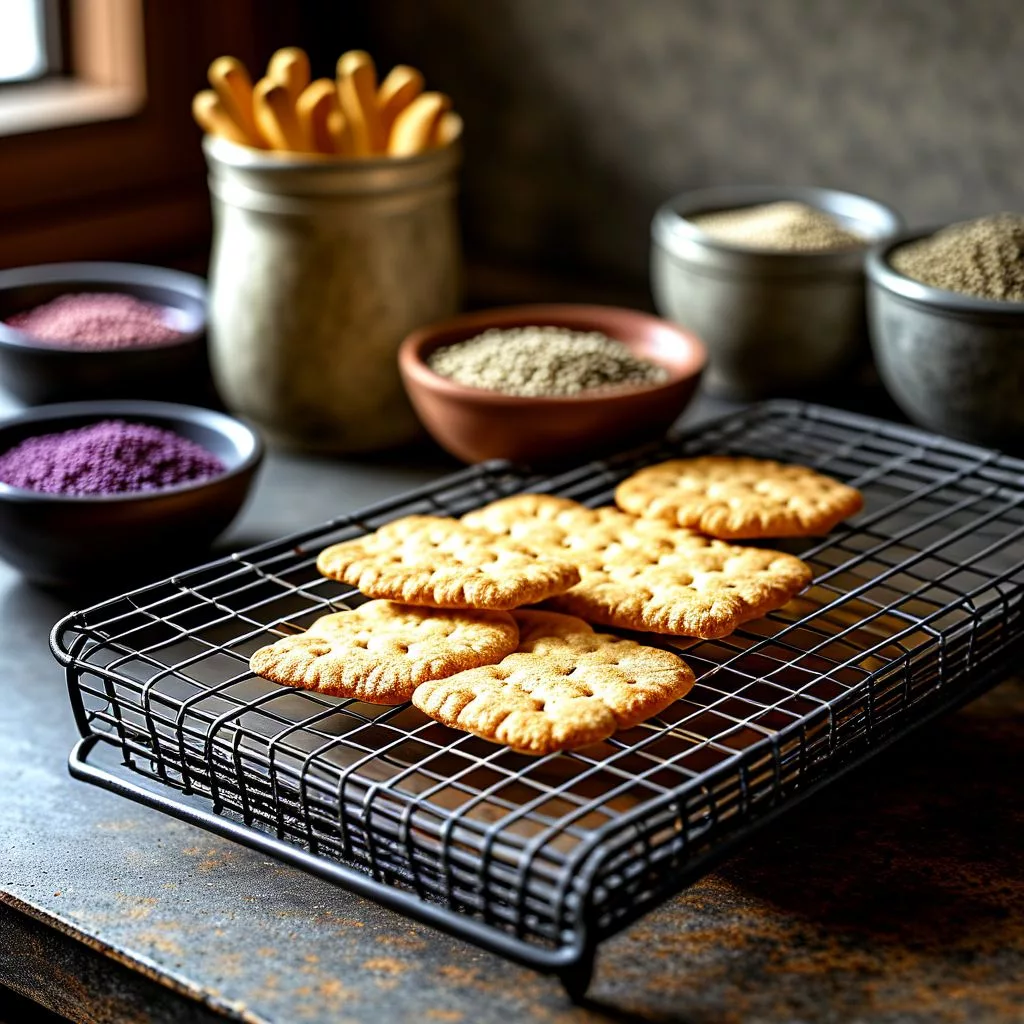
Social media gave Yaya’s story new wings. As her online following grew, so did a sense of community. Followers saw more than a product for sale—they glimpsed a life shaped by tradition, service, and pride. Yaya’s Instagram brims with snapshots of daily life: rusks cooling on racks, handwritten notes tucked into boxes, shared laughter with family. In this space, customers become friends, and simple transactions evolve into lasting relationships.
Her digital presence relies on authenticity, not artifice. The photos—her hands dusted with flour, the lived-in kitchen—exude realness, inviting viewers to celebrate imperfection. These images evoke documentary photographers like Dorothea Lange, whose portraits revealed dignity and resilience in the ordinary. Yaya’s aesthetic rejects curation for its own sake, preferring to honor the truth of everyday life.
The rusks themselves, uneven and rustic, recall the Japanese concept of wabi-sabi: beauty in imperfection. Yaya’s success, rooted in tradition and community, reminds us that food can anchor us in times of change. Her story also sheds light on the enduring power of homegrown South African cuisine, which adapts and reflects the country’s layered history.
Yaya’s rise illustrates the importance of continuity and care in a world hungry for connection. Her kitchen stands not as an escape, but as the heart of a living tradition. She invites us all to slow down, savor the familiar, and find meaning in the rituals that unite us—across generations, neighborhoods, and screens. The legacy of her rusks, golden and humble, is a testament to the quiet power of kindness and the enduring magic of sharing food.
Who is Yaya and why is she called South Africa’s Rusk Queen?
Yaya is a South African baker who began her journey as a nanny and transformed into a national inspiration by baking traditional rusks. Her simple, heartfelt recipes and generous spirit earned her the affectionate title “Rusk Queen.” She represents the warmth of South African heritage, kindness, and the power of community through her rusks.
What makes Yaya’s rusks special compared to others?
Yaya’s rusks are made from a traditional recipe combining self-raising flour, Royal Baking Powder, sugar, butter, buttermilk, eggs, All Bran, Corn Flakes, Rice Krispies, sunflower seeds, and raisins. This unique blend reflects South African homes and flavors. Her baking method emphasizes patience and care—mixing by hand and double-baking for the perfect crunch—turning each rusk into a symbol of comfort, heritage, and love.
How did Yaya’s baking journey begin and grow so quickly?
Yaya started baking rusks while caring for nine children as a nanny over sixteen years. Her rusks began as tokens of affection within the household but quickly gained attention. Within seven weeks of sharing her story and baking online, her Instagram account attracted over 10,000 followers. Her rusks would sell out within an hour, showing how her authenticity and connection resonated deeply with South Africans.
How does Yaya incorporate the spirit of giving into her baking?
Yaya embraces Mandela Day by baking and personally delivering sixty-seven bags of her muesli rusks to orphanages and nursing homes. This act honors Nelson Mandela’s legacy of public service and reflects the South African concept of ubuntu—community and generosity. For Yaya, baking is not just a business but a way to give back and spread warmth to those in need.
What role has social media played in Yaya’s success?
Social media, especially Instagram, has been crucial in sharing Yaya’s story and building a community around her rusks. Her authentic posts—showing the real, imperfect kitchen life and heartfelt moments—created a connection beyond commerce. Followers engage with her as a person, celebrating tradition, resilience, and shared memories, which turned a simple food product into a symbol of unity and cultural pride.
Why is Yaya’s baking approach considered a form of cultural memory and mindfulness?
Yaya’s baking process involves slow, intentional steps rooted in tradition, such as mixing by hand and double-baking—practices that connect her to past generations. This ritual counters modern fast-paced living by encouraging mindfulness and appreciation for imperfection, much like the Japanese concept of wabi-sabi. Her rusks thus serve as edible links to history, community, and the enduring value of care and patience in everyday life.