Cape Town keeps its water flowing by carefully taking care of hidden pipes and valves beneath the city. The city’s teams work ahead of problems, fixing leaks, managing water pressure, and upgrading pipes, while families help by storing water during short outages. This teamwork, combined with smart technology and good communication, helps everyone get clean water every day. Though the pipes are unseen, the city’s commitment keeps life moving smoothly and water ready for all neighborhoods.
How does Cape Town maintain and sustain its urban water supply?
Cape Town sustains its urban water supply through proactive maintenance, community cooperation, and advanced techniques like pressure management and leak detection. Key strategies include scheduled repairs, infrastructure upgrades, timely communication, and water storage advice, ensuring reliable, efficient water flow across diverse neighborhoods.
The Pulse Beneath Our Feet
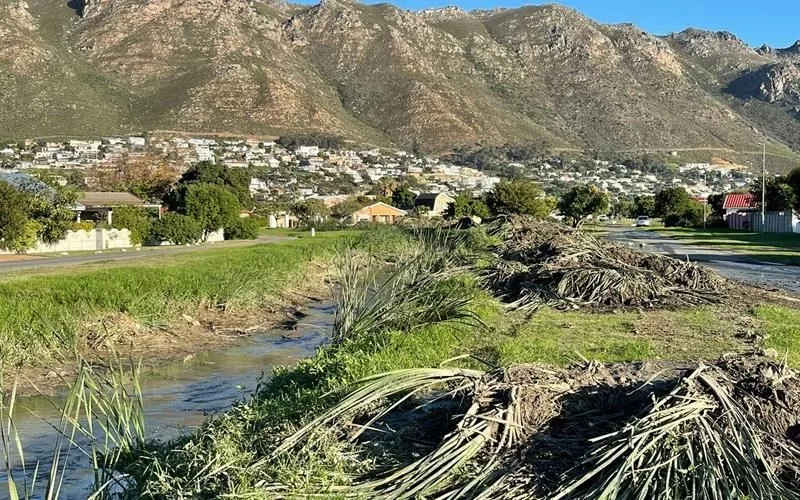
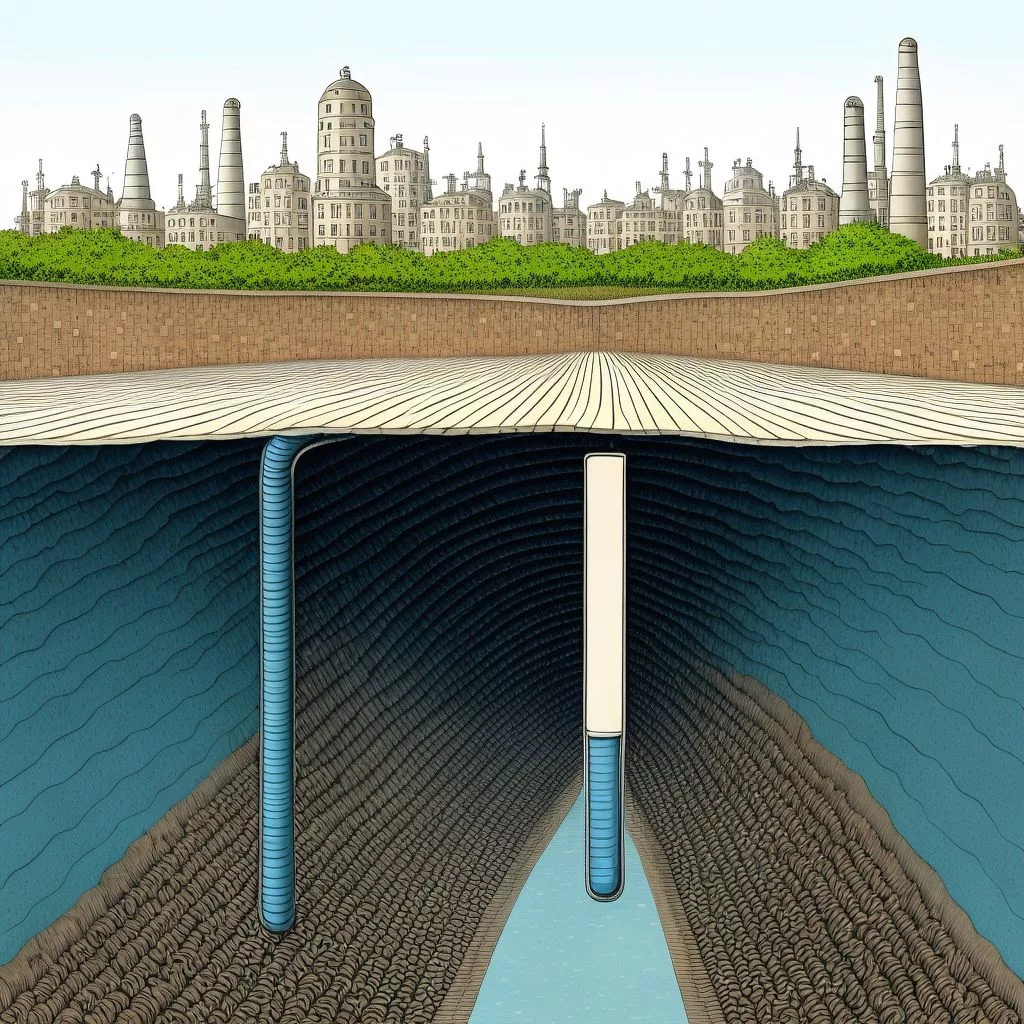
Cape Town’s streets echo with the routines of daily life—children hurrying to school, commuters rushing for taxis, and vendors opening their stalls. Yet beneath this vibrant cityscape flows something even more essential: the invisible arteries of water infrastructure. The tap that fills your kettle or the shower that rouses you each morning both depend on a vast, interconnected web of pipes and valves. This system, though out of sight, is central to the city’s health, demanding constant care and forward-looking management rather than simple repair after breakdowns.
Maintaining this lifeline requires ongoing effort, far beyond the initial construction. Pipes age, valves corrode, and the relentless pressure of urban growth puts additional strain on every connection. The City of Cape Town’s Water and Sanitation Directorate has developed a proactive approach, rooted in regular maintenance and community cooperation, to ensure water keeps flowing reliably to every corner. The upcoming maintenance schedule, planned from 21 to 25 July 2025, exemplifies this philosophy: a series of carefully orchestrated interventions designed to preempt problems and sustain the system’s integrity.
During this week, residents in neighborhoods like Hanover Park, Athlone, Rylands, and others will experience temporary changes to their water supply. These short-term disruptions, while inconvenient, represent a broader commitment to resilience and collaboration. The city encourages everyone to prepare ahead, store water in advance, and approach the week with patience and a sense of shared responsibility.
Mapping the Lifelines: Neighborhood Challenges and Solutions
The maintenance activities highlight not only the technical demands of water infrastructure but also the unique character of Cape Town’s neighborhoods. Each area brings its own set of challenges, history, and community spirit, shaping how maintenance crews approach their work.
In Athlone and adjacent areas such as Belthorn Estate and Crawford Estate, the focus will fall on tracing hidden valves along roads like Taronga, Camberwell, and Haywood. This process is as much investigative work as engineering, with teams drawing on historic records, street maps, and local memories. Longtime residents sometimes recall the original pipe-laying projects, offering invaluable clues for today’s workers. Each correctly identified valve and secured connection reinforces the system’s resilience and guards against future emergencies.
Elsewhere, in Thembokwezi, Khayelitsha, the task shifts to integrating a new pipeline into the local network. On July 22nd, water supply will shut off between 08:00 and 18:00 as crews tie in the new line along Morningstar Drive. Here, the operation requires meticulous planning and real-time coordination—ensuring that the new connection strengthens the system without causing extended hardship. Mobile water tankers will circulate through the community, helping residents bridge the gap and reminding everyone of the essential nature of water, especially in times of scarcity.
Bishopscourt’s Protea Village presents its own contrast, with leafy lanes temporarily giving way to excavation and construction noise. On July 24th, teams will install two new connections between Kirstenbosch Drive and Bishopscourt Drive, suspending service for the day. The juxtaposition of picturesque surroundings and necessary infrastructure work underscores the universal need for reliable utilities, no matter the setting. Meanwhile, Lansdowne, Kenwyn, and the Turfhall Softball Sport Complex will undergo a test shut-off of a large bulk main, helping engineers pinpoint how water loss occurs and set the stage for significant future upgrades. Simultaneously, a new control valve installation along Sanderling Road in Muizenberg and Vrygrond will redirect flows to optimize supply and reduce risk.
Science, Foresight, and Community Resilience
The practice of urban water management in Cape Town intertwines scientific rigor and hands-on experience. Modern methods like zero-pressure testing and step-testing, scheduled for neighborhoods such as Olive Grove and Bizweni 1 in Somerset West, underscore this blend. By temporarily halting supply, technicians can detect hidden leaks or unexpected inflows before bringing new sections of infrastructure online. This data-driven approach allows the city to anticipate problems, minimize waste, and ensure that every improvement delivers maximum benefit.
Residents may notice that, during these tests, some homes experience complete outages while others only see reduced pressure. The city advises everyone to prepare: fill up clean, closed containers in advance, and keep taps shut to avoid flooding when service returns. These seemingly minor acts embody a larger ethos—a culture of readiness that supports the city during both routine maintenance and unforeseen crises.
Cape Town’s strategy also includes broader elements like pressure management to reduce pipe bursts, a common issue for aging water networks worldwide. By carefully monitoring and adjusting flow, the Directorate extends the life of the system and minimizes disruptive failures. As with the best examples from the world’s great cities, the goal is not just to fix what’s broken but to build a sustainable, efficient network that serves present and future generations. This philosophy recalls the careful craftsmanship of earlier eras, where the beauty of a system lay in its reliability and careful upkeep.
Navigating Disruption: Practical Advice and Collective Adaptation
Planned water outages inevitably prompt adjustment in daily routines. For many, this means nothing more than filling a few extra bottles or postponing chores. For others, especially larger households or elderly residents, coping with a day’s interruption demands careful planning. The city’s advice is clear: use clean, closed vessels for storage, keep taps turned off, and watch for changes in water clarity once service resumes. Occasionally, air trapped in the pipes gives water a cloudy or milky appearance—a harmless effect that disappears after standing for a bit.
Communication plays a critical role during maintenance periods. The City of Cape Town keeps residents updated through platforms like X (@CityofCTAlerts), providing real-time information on schedules, tanker locations, and progress reports. Digital alerts and neighborhood WhatsApp groups help households stay informed and coordinated, turning potential disruption into an opportunity for community building and information-sharing.
Some residents have turned past maintenance experiences into best practices. Those who set aside water in advance and followed official guidance fared better during outages, while others learned the importance of preparation the hard way. These shared lessons help communities strengthen their collective resilience, transforming what might have been a hardship into a demonstration of adaptation and solidarity.
The Unseen Effort: Celebrating the Teams Behind the Flow
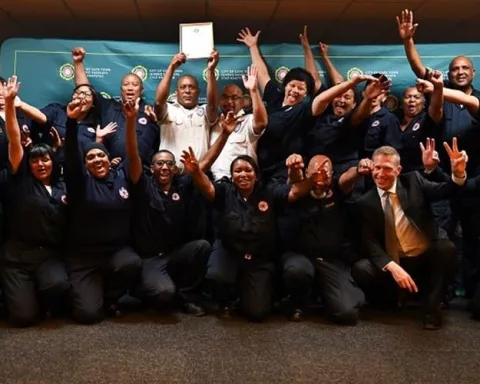
Behind every functioning tap and every restored service lie countless hours of skilled labor by water and sanitation crews. These teams, often starting their shifts before sunrise, navigate complex urban systems with a combination of technical skill and institutional knowledge. One veteran technician likened the work to performing surgery: you must understand the system’s anatomy, anticipate complications, and respond swiftly when the unexpected arises.
Their dedication rarely makes headlines, yet it enables the city’s daily life to unfold smoothly. The process of maintaining, upgrading, and safeguarding water infrastructure rarely receives public acclaim, yet it is foundational to Cape Town’s well-being and future development. In performing these tasks, workers not only prevent crises but also embody the quiet heroism that underpins every thriving metropolis.
Ultimately, Cape Town’s approach to water management offers valuable lessons for cities worldwide. By combining foresight, scientific analysis, and community engagement, the city sustains the vital flow beneath its streets. Each planned intervention affirms a commitment to stewardship and partnership, ensuring that the miracle of clean, accessible water remains a constant—even when the pipes themselves remain out of sight.
FAQ: The Hidden Network – Sustaining Urban Water in Cape Town
1. How does Cape Town ensure a reliable urban water supply despite aging infrastructure?
Cape Town maintains a reliable water supply through proactive and regular maintenance of its water network. This includes scheduled repairs, leak detection, pressure management, and infrastructure upgrades. The City’s Water and Sanitation Directorate uses scientific methods like zero-pressure and step-testing to identify hidden leaks and optimize flow. By addressing issues before they become crises, the city extends the life of its pipes and valves, ensuring consistent service across all neighborhoods.
2. What should residents expect during scheduled maintenance and water outages?
During planned maintenance weeks, such as the upcoming schedule from 21 to 25 July 2025, some neighborhoods will experience temporary water interruptions or reduced pressure. These disruptions are necessary to perform vital upgrades and repairs. Residents are advised to prepare by storing clean water in closed containers ahead of time, keeping taps off during outages, and being patient as crews work. Sometimes water may appear cloudy after service resumes due to trapped air, but this is harmless and clears after standing.
3. How does the community contribute to sustaining Cape Town’s water supply?
Community cooperation is essential. Residents help by preparing for outages, storing water thoughtfully, and following official guidance during maintenance periods. Communication channels like Twitter (@CityofCTAlerts) and neighborhood WhatsApp groups keep everyone informed. Sharing experiences and best practices fosters community resilience, turning maintenance disruptions into collective opportunities for adaptation and support.
4. What challenges do different neighborhoods face in maintaining their water infrastructure?
Each neighborhood presents unique challenges shaped by history and urban layout. For example, in Athlone and surrounding areas, crews trace hidden valves using historic records and local knowledge. Thembokwezi in Khayelitsha recently integrated a new pipeline requiring careful coordination and temporary supply shutdowns. In Bishopscourt’s Protea Village, new connections will be installed amid residential settings. These varied tasks require tailored engineering and sensitive community engagement to maintain and improve water access.
5. How does Cape Town use technology and science to manage its water network?
Cape Town applies advanced scientific techniques such as zero-pressure testing, step-testing, and pressure management to monitor and maintain the network. These methods allow engineers to detect leaks, reduce pipe bursts, and optimize water flow. Data-driven approaches help forecast maintenance needs, minimize water loss, and ensure infrastructure improvements maximize benefits for all residents. This forward-looking management is key to building a sustainable water system fit for future growth.
6. Who are the people behind the scenes maintaining Cape Town’s water supply?
The city’s water and sanitation crews are skilled professionals working tirelessly—often from before dawn—to maintain and repair the hidden network beneath the streets. Their expertise is likened to performing surgery, requiring deep knowledge of the system’s anatomy and quick responses to unexpected challenges. Though their work is mostly unseen, these teams are essential heroes whose dedication keeps taps flowing and communities thriving every day.
If you want to stay updated or learn more, follow the City of Cape Town’s official channels and participate in local water stewardship initiatives. Together, we can ensure the lifeline of clean water continues flowing for all.