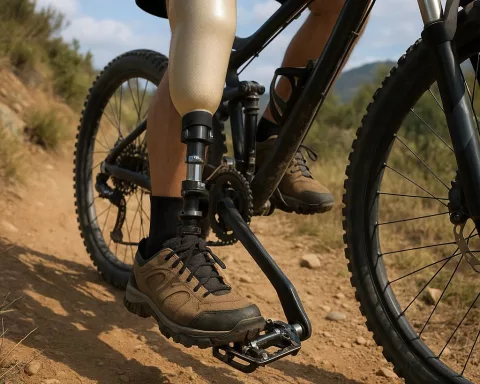
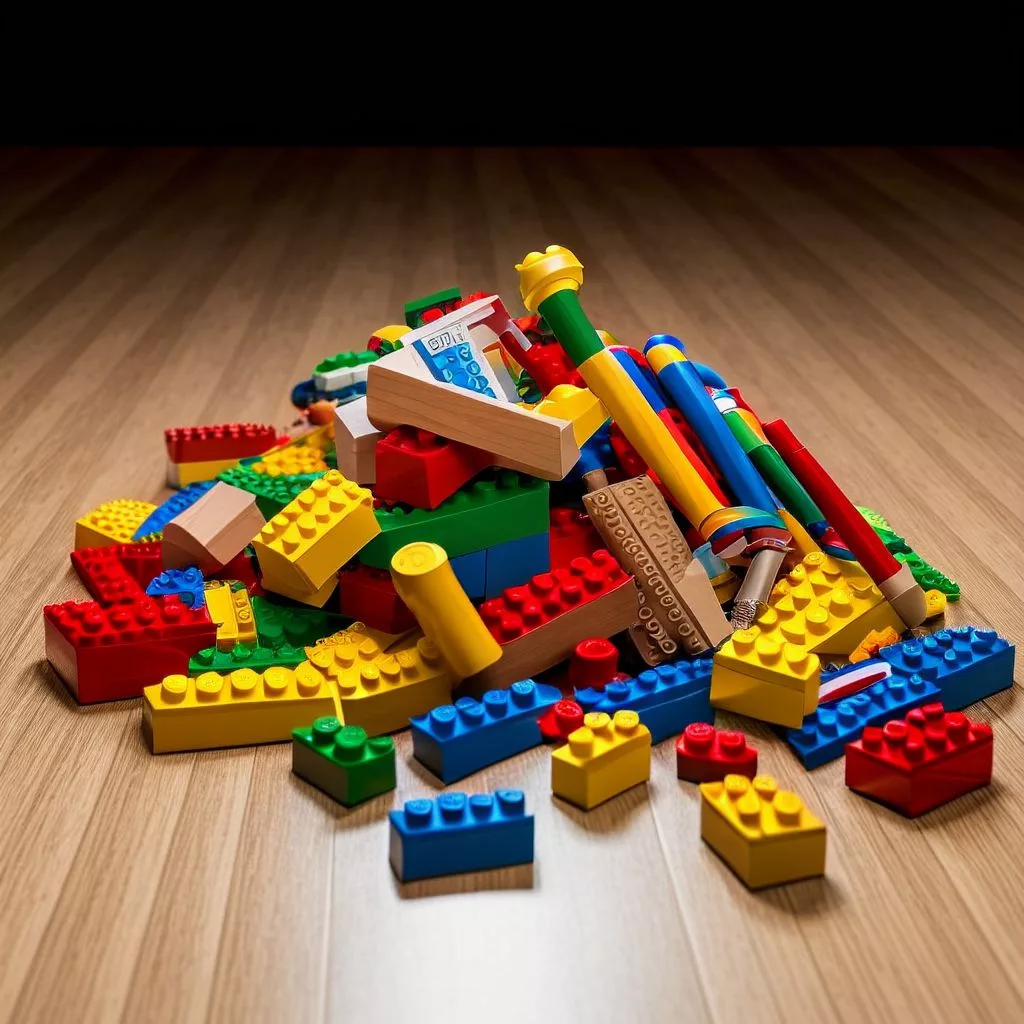
In today’s world filled with screens, children need unstructured play more than ever to grow strong, creative, and happy. Toys R Us South Africa’s “The Superpower of Play” campaign invites families to put down devices and dive into fun, hands-on activities like building forts and racing toy blasters. This play helps kids learn problem-solving, teamwork, and emotional skills that screens just can’t give. By making play a daily priority, the campaign hopes to bring back the magic of childhood and help every child shine bright in a digital age.
Why is unstructured play important for children in a digital world?
Unstructured play is vital for children’s emotional, social, and cognitive development. It improves problem-solving, creativity, motor skills, and empathy while reducing anxiety and attention issues caused by excessive screen time. Prioritizing free play nurtures well-rounded, confident children ready for life’s challenges.
Rediscovering the Value of Play
Children today grow up surrounded by digital devices, with screens lighting up every corner of their lives—from family rooms and backseats to classrooms. This ever-present technology often replaces traditional forms of play, shifting the way young minds experience the world. Amid this digital dominance, a bold initiative is taking root, seeking to restore the magic and developmental power of play. Leading the charge, Toys R Us South Africa has launched “The Superpower of Play,” a campaign that blends the nostalgic joys of the past with a forward-thinking approach, determined to place unstructured, imaginative play back at the heart of childhood.
This campaign began with a radical but straightforward belief: play is not a treat but a necessity for every child’s growth. Sable Leicher, an educational psychologist deeply involved in the movement, emphasizes that play is the bedrock of emotional strength, empathy, and self-control. Drawing from neuroscience and developmental research, Leicher insists that children’s brains rely on free, spontaneous play to develop healthily. The campaign urges South African families to prioritize play with the same seriousness as nutrition and sleep, highlighting its critical role in raising well-rounded children.
This perspective isn’t new; over a century ago, Maria Montessori described play as the essential work of childhood. Current research only strengthens her insights, illustrating that unstructured play nurtures skills such as problem-solving, adaptability, and social understanding. As society faces rapid changes, these traits are more important than ever, equipping children to meet new challenges with creativity and confidence.
The Hidden Benefits of Unstructured Play
Prominent voices in the campaign, like paediatric occupational therapist Cayleigh Rice, reinforce the benefits of physical play and its impact on children’s well-being. Rice notes that even short bursts of hands-on, active play can dramatically improve mood and enhance coordination. When children build pillow forts or turn cardboard boxes into spaceships, they engage muscles and minds alike, sharpening their motor skills, encouraging imaginative thinking, and solving problems as they go. These activities echo findings in early childhood education and occupational therapy, which consistently highlight play as a catalyst for holistic growth.
Despite the campaign’s enthusiasm for traditional play, it acknowledges the realities of today’s digital age. According to studies shared by Toys R Us, South African children between five and thirteen now spend over four and a half hours daily on digital devices. This shift has led to alarming increases in anxiety, sleep issues, and shrinking attention spans. While educational apps and shows can offer value, the campaign argues that screens cannot rival the sensory, social, and creative richness of open-ended play.
To address this imbalance, Toys R Us South Africa introduces “Play Day”—a nationwide call to action scheduled for July 26. On this day, flagship stores in Johannesburg, Durban, and Cape Town will morph into playgrounds brimming with excitement. Children will dive into LEGO building, race in XSHOT contests, and let their creativity shine at Crayola art stations. This event promises not just fun, but a celebration of hands-on, collaborative exploration, drawing families away from screens and back into the world of play.
Bridging Digital and Physical Worlds
Understanding the importance of digital engagement in modern life, the campaign extends its reach beyond physical stores. Toys R Us has teamed up with Afro Daddy, a well-known parenting influencer on YouTube (@afrodaddyct), to inspire families nationwide. Afro Daddy’s video series, created specifically for the campaign, demonstrates playful activities that require little preparation or expense. From inventive scavenger hunts to imaginative storytelling games, these episodes highlight how everyday objects and family routines can become springboards for creativity.
The campaign also revives beloved traditions that merge commerce and community spirit. The monthly Toy Rush competition offers children the chance to race through stores, grabbing up to R10,000 in toys—a thrilling event reminiscent of the classic Reggies Toy Rush, cherished by previous generations. More than a contest, it celebrates the pure joy of play, subtly reminding families that experiences, not just possessions, create lasting memories.
Simultaneously, the BirthYAY season transforms ordinary shopping into a festive adventure. Running from mid-June to early August, it gives customers opportunities to win vouchers worth a total of R250,000. These surprise rewards inject excitement into daily errands and mirror the unpredictable delight of play itself, making every visit to the store feel like a celebration.
Play for All: Inclusivity and Community Connection
What truly sets “The Superpower of Play” apart is its inclusive spirit. The campaign’s message is clear: play belongs to everyone, regardless of background or resources. Store events and online activities focus on creativity rather than consumption, encouraging families to build forts from blankets, stage household adventures, or craft with recycled materials. By spotlighting low-cost, accessible play, Toys R Us ensures that every family can join in, fostering a broad and welcoming community.
At its core, the campaign recognizes play’s unique power to forge connections—between individuals, within neighborhoods, and across generations. This ethos draws on a long tradition of viewing play as a means for children to communicate, negotiate, and invent new worlds. The campaign unconsciously channels the ideas of Friedrich Froebel, the 19th-century founder of kindergarten, who believed play builds empathy and collaboration. Through communal experiences and shared stories, Toys R Us encourages families to nurture these bonds, strengthening the fabric of society.
Personal accounts from parents, teachers, and children fill the campaign’s online platforms, adding emotional depth to its message. One mother describes how a quick game of hide-and-seek helped her find balance between remote work and her child’s need for attention. A teacher recalls seeing introverted students flourish in collaborative art sessions. These stories bring the campaign’s aims to life, affirming that play not only supports development but also heals and unites.
Reviving Childhood in a Tech-Centered World
The campaign’s visual identity also celebrates the spontaneous, joyful spirit of play. Store murals in pastel colors invite exploration, echoing the Impressionist fascination with light and movement. Both the in-store and online experiences encourage participation over observation, transforming customers from passive consumers into active co-creators—mirroring the best qualities of play itself.
Within the vibrant aisles of Toys R Us, the call to “Put down the screens, pick up the blocks” rings out. Whether children are stacking bricks, staging water blaster duels, or losing themselves in coloring, they rediscover the hands-on pleasures that define childhood. These moments foster qualities too often neglected in a results-driven world—imagination, perseverance, and simple joy. By championing play as a superpower, the campaign reframes these traits not as extras, but as essential skills for life.
As “The Superpower of Play” unfolds, its invitation extends beyond the walls of retail outlets. It challenges South Africans, from families in living rooms to friends in playgrounds, to rethink their daily routines and embrace the transformative power of play. The message is unmistakable: join the movement, make time to play, and unlock the potential within every child.
Throughout history, from ancient sandpits to modern urban parks, societies have recognized that play nurtures growth, resilience, and happiness. By weaving together expert insights, historical wisdom, and contemporary innovation, Toys R Us South Africa’s campaign reminds us all—now is the time to reclaim play, for childhood’s sake and for the future we share.
What is the main goal of the “The Superpower of Play” campaign by Toys R Us South Africa?
The campaign aims to encourage families to reduce screen time and prioritize unstructured, hands-on play. By doing so, it seeks to revive the magic of childhood, helping children develop creativity, problem-solving skills, teamwork, and emotional strength—qualities that screens alone cannot provide. It promotes play as an essential part of healthy childhood development, on par with nutrition and sleep.
Why is unstructured play so important for children in today’s digital age?
Unstructured play supports emotional, social, and cognitive growth by fostering creativity, empathy, motor skills, and problem-solving abilities. It helps reduce anxiety and attention difficulties often linked to excessive screen use. Unlike screens, free play engages multiple senses and encourages imaginative thinking, preparing children to adapt confidently to life’s challenges.
How does “The Superpower of Play” campaign address the challenges of increased screen time?
Acknowledging that South African children spend over four and a half hours daily on digital devices, the campaign promotes alternative activities like building forts, racing toy blasters, and creative art projects. It organizes events such as “Play Day,” where stores transform into interactive playgrounds, and collaborates with influencers like Afro Daddy to share low-cost, easy-to-do play ideas that balance digital engagement with physical, social interaction.
What activities and events are included in the campaign to encourage play?
Key initiatives include “Play Day” on July 26, where flagship Toys R Us stores host LEGO building, XSHOT contests, and Crayola art stations. The campaign also features the monthly Toy Rush competition, where children can win up to R10,000 in toys, and the BirthYAY season, offering shoppers chances to win vouchers totaling R250,000. Additionally, Afro Daddy’s video series showcases simple, creative play ideas that families can do at home.
How does the campaign promote inclusivity and accessibility in play?
“The Superpower of Play” emphasizes that play is for every child, regardless of background or income. It highlights low-cost, creative activities using everyday household items, like building forts from blankets or crafting with recycled materials. This inclusive approach fosters a sense of community and ensures all families can participate in the joy and developmental benefits of play.
In what ways does the campaign connect historical and expert insights to modern childhood development?
The campaign draws on the wisdom of pioneers like Maria Montessori and Friedrich Froebel, who emphasized the essential role of play in childhood growth, empathy, and collaboration. It also incorporates contemporary research from educational psychologists and occupational therapists, confirming that unstructured play nurtures emotional resilience, coordination, creativity, and social skills—making these qualities vital for children navigating a fast-changing world.