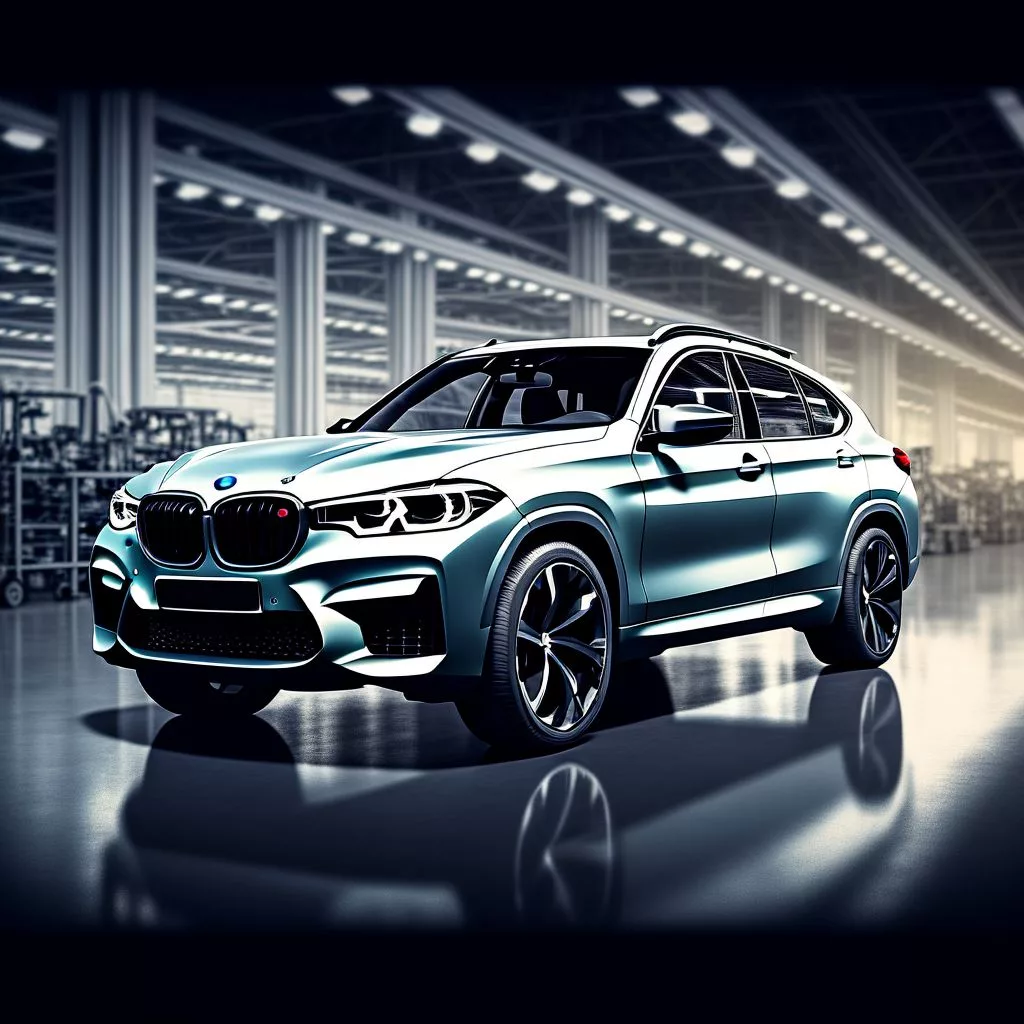
The BMW X3 Plug-In Hybrid now being made at the Rosslyn plant in South Africa marks an exciting step toward cleaner, greener cars. This is not just about fancy technology—it means more jobs, stronger local skills, and a boost for the economy. With help from the government and BMW’s focus on education and inclusion, South Africa is racing ahead in making modern, eco-friendly vehicles that the world wants. Together, they are driving the country into a bright, sustainable future.
What is the significance of the BMW X3 Plug-In Hybrid production at Rosslyn plant in South Africa?
The BMW X3 Plug-In Hybrid production at Rosslyn marks South Africa’s leap into sustainable mobility, blending advanced hybrid technology with local manufacturing. It boosts the economy, strengthens global exports, creates jobs, supports skills development, and aligns with national policies for clean transportation and industrial growth.
Igniting Innovation in South African Manufacturing
As the sun rose over Tshwane, a sense of anticipation filled BMW’s Rosslyn plant. The factory floor buzzed with excitement as President Cyril Ramaphosa, industry leaders, and the workforce gathered for a momentous milestone: the unveiling of the BMW X3 Plug-In Hybrid Electric Vehicle (PHEV). The President’s attendance signified more than just political support; it underscored the national significance of embracing advanced automotive technologies and steering the country into a cleaner, more dynamic future.
BMW’s Rosslyn facility has long stood as an emblem of South Africa’s industrial ambitions. Since its inauguration in 1973, Rosslyn has been a symbol of faith in South African capability, marking the first time BMW took its manufacturing operations beyond German borders. This bold move set the stage for decades of mutual growth, with the plant adapting to evolving global trends and cultivating local talent. The recent shift to electrified vehicle production not only demonstrates technical progress but also deepens the collaborative relationship between German engineering and South African expertise.
The unveiling of the X3 PHEV in Rosslyn is more than a product launch. It signals South Africa’s readiness to claim its place in the global transition toward sustainable mobility. The journey from traditional assembly lines to cutting-edge hybrid technology stands as a testament to the country’s adaptability and enduring partnership with industry leaders.
The Automotive Sector: South Africa’s Economic Engine
South Africa’s automotive industry is a cornerstone of the national economy, contributing close to 5% of the country’s GDP. More than 115,000 people work directly in automotive manufacturing, and the industry’s broader network sustains over half a million jobs across various sectors. Plants like Rosslyn do more than assemble vehicles—they drive community development and create pathways to prosperity for countless families.
Exports lie at the heart of the South African automotive sector. The country currently ranks as the 22nd largest vehicle exporter in the world, shipping cars to prominent markets including the European Union, United States, and United Kingdom. In recent years, South African manufacturers have also begun forging new trade routes within the continent, especially among Southern African Development Community (SADC) countries. These relationships bolster foreign earnings and foster greater economic self-determination across Africa, echoing pan-African aspirations that have inspired generations.
The industry’s export orientation further compels ongoing innovation and quality improvement. By meeting international standards and responding to shifting consumer preferences, South African factories continuously reinvent themselves, ensuring their competitiveness on the world stage. The launch of the BMW X3 Plug-In Hybrid is a prime example of this drive to stay at the forefront of automotive trends.
Accelerating Towards Sustainable Mobility
Rosslyn’s evolution into a center for hybrid vehicle production highlights its pivotal role in the global push for greener transportation. The introduction of the BMW X3 PHEV at this historic plant marks a strategic response to increasing demand for vehicles that balance performance with environmental responsibility. This move aligns South Africa with international climate goals and strengthens its position as a hub for next-generation vehicle manufacturing.
The global move toward electric, plug-in hybrid, and even hydrogen-powered vehicles presents new opportunities for South Africa’s industrial landscape. As consumer preferences shift and regulatory pressures intensify, the nation has a chance to establish itself as a leader in the production of sustainable mobility solutions. By investing in new technologies and adapting its manufacturing processes, South Africa can unlock value throughout the automotive supply chain.
The hybrid’s debut in Rosslyn also highlights the country’s potential to integrate local resources with advanced manufacturing. South Africa’s wealth of minerals—such as platinum, manganese, and nickel—can support battery production and other critical components, laying the groundwork for an end-to-end value chain that begins with mining and ends with high-value exports.
Policy at the Helm: Enabling a New Industrial Future
Robust government policy has played a decisive role in supporting South Africa’s automotive transformation. Programs like the Automotive Production and Development Programme (APDP) and the Electric Vehicle (EV) White Paper have provided a stable framework that encourages investment, localization, and technological advancement. These initiatives stimulate both local and international confidence, attracting businesses eager to contribute to and benefit from South Africa’s industrial growth.
Incentive schemes serve multiple purposes. They not only drive the production of electric vehicles for export, but also foster domestic demand for cleaner transport options. South Africa’s rich reserves of critical minerals position it to compete globally in battery and EV component manufacturing. Current policy efforts aim to accelerate battery cell localization, encourage research into clean mobility, and support beneficiation processes that add value to exported minerals.
President Ramaphosa’s remarks at Rosslyn reflected a clear understanding of global dynamics. Recent changes in trade policies, particularly new tariffs in the United States—a major export destination—highlight the need for South Africa to diversify its markets and strengthen local supply chains. The President’s vision calls for a nimble, future-ready industry capable of adapting to international shifts while maximizing homegrown potential.
Investing in Skills, Empowerment, and Community
The local production of the BMW X3 Plug-In Hybrid is not just about innovation—it’s about trust and shared progress. BMW’s long-standing partnership with South Africa runs deeper than machinery or manufacturing lines; it embodies a commitment to skills development, empowerment, and inclusive growth.
BMW invests significantly in education and training, recognizing that a skilled workforce underpins both its success and the country’s broader development. The company’s collaboration with UNICEF brings coding and robotics into classrooms, equipping young South Africans for the digital future. Additionally, the BMW South Africa IT Hub in Tshwane employs more than 2,000 professionals—including software engineers and digital experts—demonstrating the company’s commitment to expanding the knowledge economy.
The BMW training academy stands as a testament to this philosophy. Since 1978, it has produced over 2,000 artisans, with 300 new apprentices entering its ranks each year. These programs not only meet BMW’s operational needs, but they also help cultivate a pool of talent that strengthens the entire manufacturing sector.
BMW’s dedication to developing young people extends beyond its factory gates. Through active participation in the Youth Employment Service, the company has helped over 3,500 young South Africans gain experience in industries ranging from retail and IT to education and health. This holistic approach to talent development reflects a strategy aimed at building a resilient and diverse workforce for the future.
Advancing Equity and Fostering Transformation
For BMW, transformation is more than a corporate buzzword. The company actively supports the advancement of women, mentors emerging black industrialists, and grooms future leaders through its Leadership Acceleration Programme. These efforts align closely with South Africa’s national objectives, blending technical excellence with a commitment to social inclusion and empowerment.
The company’s approach mirrors broader artistic and historical movements that recognize transformation as a complex, ongoing process. Just as the Bauhaus school once sought to merge art, craft, and industry to reshape society, BMW’s initiatives aim to create lasting value—not just through automobiles, but by opening doors to opportunity, creativity, and shared prosperity.
BMW’s ongoing efforts reflect a belief that true progress emerges when innovation dovetails with equity. By investing in education, skills development, and inclusive leadership, the company helps foster a more just and dynamic industrial landscape.
Looking Ahead: Partnership for Shared Prosperity
As South Africa readies itself for the upcoming Investment Conference, the government’s invitation to BMW to serve as a flagship partner carries significant weight. The challenge is to deepen local content in manufacturing, expand youth training programs, lead advancements in EV battery technology, and empower township-based suppliers. These priorities point toward a vision of broad-based growth, with benefits flowing to communities and the national economy alike.
The history of BMW in South Africa is a tapestry woven from ambition, resilience, and ingenuity. At every stage—from skilled artisans on the assembly line to rising apprentices and visionary managers—the journey has been one of mutual enrichment. Each new vehicle that leaves the Rosslyn plant tells a story of collaboration, adaptation, and forward-thinking leadership.
BMW’s story is far from over. Its continued investment in South Africa signals a shared commitment to building an inclusive, competitive, and sustainable future. As new models roll out and young talents rise, the partnership between BMW and South Africa stands as a beacon for what can be achieved when industry, government, and community move forward together.
FAQ: BMW X3 Plug-In Hybrid Production at Rosslyn Plant, South Africa
1. What is the significance of producing the BMW X3 Plug-In Hybrid at the Rosslyn plant in South Africa?
Producing the BMW X3 Plug-In Hybrid at the Rosslyn plant represents a major milestone for South Africa’s automotive industry and economy. It signals the country’s shift towards sustainable mobility by integrating advanced hybrid technology with local manufacturing. This initiative creates jobs, strengthens skills development, boosts exports, and aligns with national policies promoting clean transportation and industrial growth. Moreover, it establishes South Africa as a key player in the global transition to greener vehicles.
2. How does the BMW X3 Plug-In Hybrid production impact South Africa’s economy?
The automotive sector contributes nearly 5% of South Africa’s GDP and supports over half a million jobs directly and indirectly. BMW’s Rosslyn plant is a crucial part of this economic engine, driving community development and creating pathways for prosperity. The production of the X3 Plug-In Hybrid boosts exports to major markets such as the EU, US, and UK, while also expanding trade within Africa. This export focus encourages innovation, quality improvement, and global competitiveness for South African manufacturers.
3. How does the Rosslyn plant contribute to South Africa’s goals for sustainable mobility?
The transition of the Rosslyn plant to hybrid vehicle production positions South Africa at the forefront of the global move towards cleaner transportation. The BMW X3 Plug-In Hybrid meets growing demand for vehicles that combine performance with environmental responsibility. The plant’s evolution supports international climate commitments and leverages South Africa’s rich mineral resources (platinum, manganese, nickel) to eventually develop a local battery production value chain, enhancing the country’s role in next-generation vehicle manufacturing.
4. What government policies support the production of electric and hybrid vehicles in South Africa?
South Africa’s government has enacted policies such as the Automotive Production and Development Programme (APDP) and the Electric Vehicle (EV) White Paper, which provide incentives for localization, investment, and technological advancement in the automotive sector. These policies encourage the production of electric vehicles (EVs) for both export and domestic markets, promote research into clean mobility, and support beneficiation of critical minerals used in EV batteries. Stable policy frameworks attract both local and international investment, helping the country build a competitive EV industry.
5. How is BMW investing in skills development and community empowerment in South Africa?
BMW is deeply committed to skills development and inclusive growth. The company runs a training academy that has produced over 2,000 artisans since 1978 and currently trains around 300 apprentices annually. BMW collaborates with UNICEF to introduce coding and robotics in schools, preparing youth for the digital economy. The BMW South Africa IT Hub employs over 2,000 professionals, contributing to the knowledge economy. Additionally, BMW participates in the Youth Employment Service, helping thousands of young South Africans gain work experience across various sectors, fostering a broad-based, skilled workforce.
6. What efforts is BMW making to promote transformation and equity within its South African operations?
BMW actively advances social transformation by supporting the empowerment of women, mentoring emerging black industrialists, and developing future leaders through programs like the Leadership Acceleration Programme. These initiatives align with South Africa’s national goals for equity and inclusion, ensuring that industrial progress benefits a diverse and representative workforce. BMW’s approach underscores the belief that sustainable innovation is intertwined with social justice, creating lasting value for individuals, communities, and the broader economy.
If you want to learn more about BMW’s impact in South Africa or the future of sustainable mobility, feel free to ask!