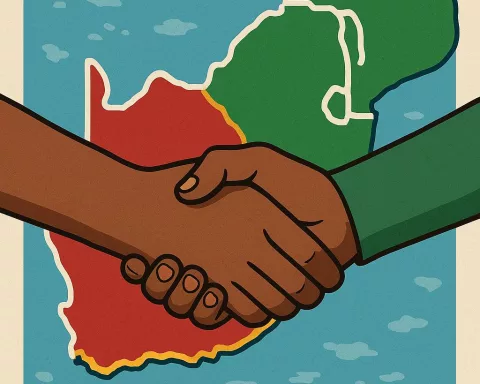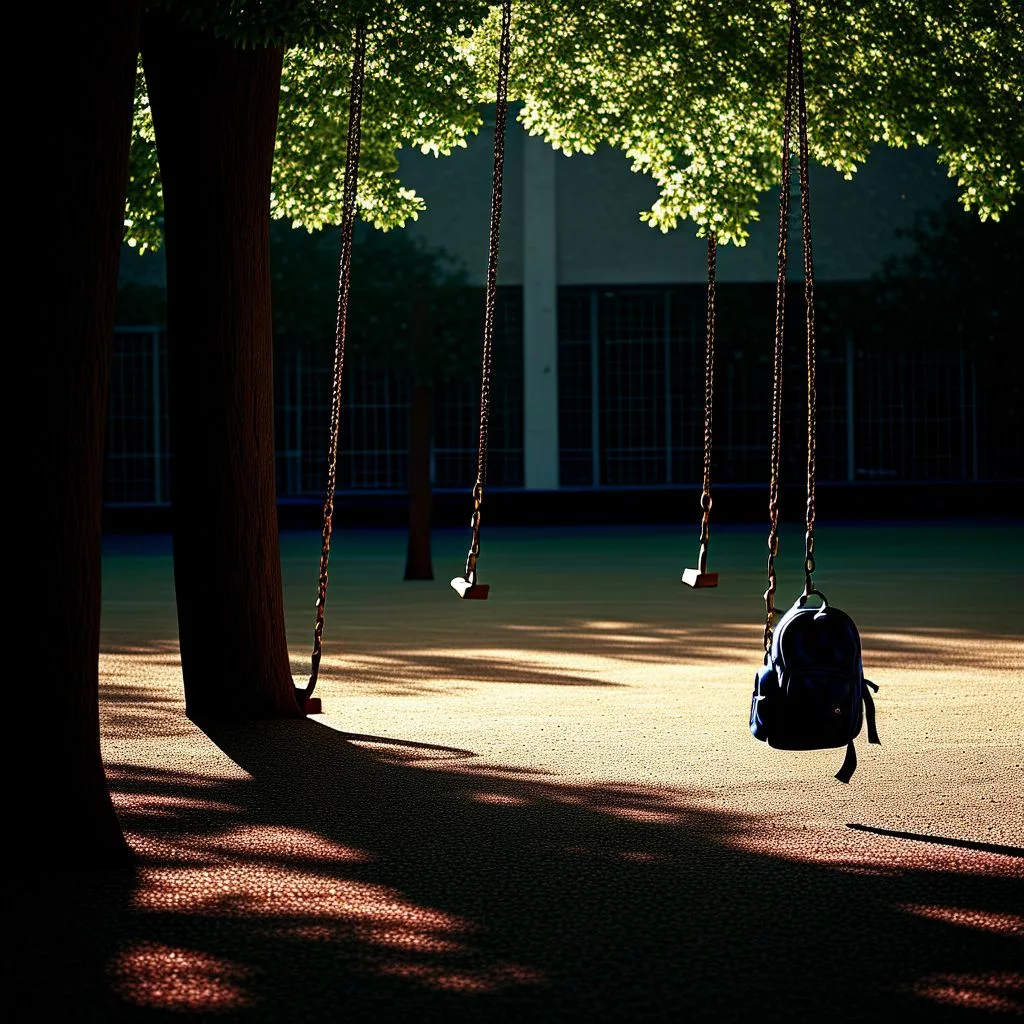
School bullying in South Africa hurts almost 40% of students, causing deep pain that is physical, emotional, and social. Kids face harsh teasing, exclusion, and even online attacks that follow them home, making school a scary place instead of a safe one. This bullying often reflects bigger problems in society, like inequality and fear, and can leave lasting scars on children’s hearts and minds. Although many schools struggle to stop bullying, new efforts are helping students find support, heal, and build kinder, stronger communities. The fight against bullying is tough, but hope grows as more voices speak out and work together for change.
What is the impact of school bullying on students in South Africa?
School bullying in South Africa affects nearly 40% of students, causing physical, psychological, and social harm. It leads to anxiety, depression, poor academic performance, and long-term mental health issues. Bullying includes physical aggression, social exclusion, and online harassment, deeply affecting children’s well-being.
Childhood in the Crosshairs
Every school morning, students across South Africa flood playgrounds and hallways, their voices rising in a chorus of laughter, chatter, and competition. Beneath this lively surface, however, many children carry invisible burdens. Bullying—once trivialized as a normal aspect of youth—has taken root as a widespread and deeply harmful problem in South African schools, touching almost half of the country’s students before they reach high school.
Unlike the simple name-calling or scuffles of the past, today’s bullying often blends physical confrontation with psychological torment and social exclusion. Some children face cruelty in the open—taunts hurled on the field or in the corridors—while others endure more subtle forms of abuse like persistent rumors and calculated isolation. This shifting landscape makes bullying harder to recognize and even more difficult to combat.
The proliferation of technology has further complicated the picture. Where once a child might have found respite at home, smartphones and social media have shattered those boundaries. Now, harassment follows students into their bedrooms, turning what should be safe spaces into battlegrounds of anxiety and distress. Online platforms such as WhatsApp, Instagram, and TikTok have become tools that both connect and harm, amplifying rumors or spreading humiliating images to hundreds with a tap.
The Reality Behind the Statistics
Scholarly studies and local surveys paint a stark picture: nearly 40% of South African students report experiencing some form of bullying. Yet, behind every data point lies a story of pain that often begins in silence. For many children, the first signs of trouble are subtle—a reluctance to attend school, slipping grades, or a sudden withdrawal from friends. Because bullying frequently operates in the shadows, months or years may pass before adults notice.
Victims describe the toll in unmistakable terms. A teenage girl from Durban recounted feeling invisible as her classmates turned on her, saying, “It wasn’t just the words; it was being ignored, as if I didn’t exist.” Such experiences erode self-worth and can trigger anxiety, depression, and even self-harm. Experts warn that the emotional wounds of bullying often persist long after the taunting stops, shaping mental health well into adulthood.
Clinical research supports these observations. Children who endure sustained bullying face increased risks of psychological difficulties, including post-traumatic stress symptoms and trouble building trusting relationships. Repeated victimization can leave deep scars, with some survivors struggling for years to regain confidence and stability.
Complex Causes and Cultural Layers
Bullying in South Africa does not unfold in a vacuum. Local context plays a crucial role in who gets targeted and how. In racially and economically diverse schools, students from minority groups or low-income families may become easy targets. Language, accents, or even the shoes on a child’s feet can provoke ridicule and exclusion. South Africa’s own turbulent history—marked by apartheid and the ongoing struggle for equality—often seeps into these interactions, turning bullying into an echo of larger social tensions.
Gender dynamics also shape the experience. While boys are often subjected to open physical aggression and intimidation, girls may face a subtler onslaught—gossip, exclusion, and social manipulation. Both forms are damaging, and the boundaries are not always clear-cut; children frequently endure a mixture of tactics regardless of gender.
Understanding the roots of bullying requires empathy for both victims and perpetrators. Many bullies emerge from environments of instability or neglect, lashing out in an attempt to gain a sense of control or acceptance. Peer pressure intensifies the cycle, as some students join in to avoid becoming targets themselves. Experts like Dr. Alicia Porter, a leading child psychiatrist, note that “bullying rarely stems from simple malice. More often, it’s a warped response to pain, insecurity, or the desire to fit in.”
Gaps in Response and Pathways to Change
Despite South Africa’s broad legal protections for children—such as the South African Schools Act and the Promotion of Equality and Prevention of Unfair Discrimination Act—school responses often fall short. Many schools face overcrowded classrooms, limited resources, and staff stretched to the breaking point. Even when anti-bullying policies exist on paper, inconsistent enforcement and inadequate teacher training leave students vulnerable.
Parents and guardians, meanwhile, may struggle to recognize the signs or know how to intervene. Victims often hesitate to speak out, fearing retaliation or dismissal. Teachers, too, sometimes lack the tools or time to address bullying effectively. The result is a fragmented system in which many children slip through the cracks.
Yet, throughout South Africa, momentum is building for change. Counselors and educators are piloting new strategies—restorative justice circles, peer mediation, mental health workshops, and social-emotional learning programs—to foster empathy and resilience. Parents are forming alliances to advocate for safer school environments, while students themselves are beginning to challenge the culture of silence by supporting classmates and reporting abuse.
Art, Memory, and the Road Ahead
South African artists and writers have long illuminated the pain of childhood adversity, weaving themes of bullying and exclusion into their work. Visual artists like William Kentridge and novelists such as Sindiwe Magona and Zakes Mda use their craft to explore trauma and resilience, inviting audiences to confront uncomfortable truths. Through paintings, stories, and films, they draw attention to the long-term impact of bullying and the urgent need for healing.
These creative responses serve not only as reflections of suffering but also as blueprints for hope. By giving voice to those who have endured cruelty, South African art and literature help communities imagine new possibilities for empathy and connection. They remind us that, while the scars of bullying may be deep, they are not insurmountable.
The challenge remains daunting, but the conversation around bullying in South Africa is changing. More schools are seeking not just to punish bullies, but to understand the factors driving their behavior and to support both victims and perpetrators in breaking the cycle. By focusing on social-emotional education, encouraging open dialogue, and strengthening support systems, South African communities can create safer, more inclusive schools.
As students return to their playgrounds and classrooms, the laughter that fills the air can become a sign of resilience—a testament to the efforts of parents, teachers, and children determined to transform their schools from places of fear into spaces of belonging. In confronting the reality of bullying, South Africa stands poised to nurture a new generation better equipped to foster understanding, justice, and compassion.
What is the prevalence of school bullying in South Africa?
Nearly 40% of South African students report experiencing some form of bullying, making it a widespread issue. This includes physical aggression, social exclusion, and online harassment, affecting children across diverse backgrounds and regions. Bullying has become a serious problem that many schools are actively trying to address.
How does bullying affect the physical and mental health of students?
Bullying causes deep physical, emotional, and social harm. Victims often suffer from anxiety, depression, low self-esteem, and poor academic performance. Long-term effects can include post-traumatic stress symptoms and difficulties in forming trusting relationships. The emotional scars often persist well into adulthood, impacting overall mental health.
What forms does bullying take in South African schools?
Bullying in South African schools ranges from overt physical violence and verbal taunts to subtle psychological torment such as social exclusion, spreading rumors, and online harassment via platforms like WhatsApp, Instagram, and TikTok. Girls and boys may experience different types of bullying, with boys more likely to face physical intimidation and girls often targeted through gossip and social manipulation.
What are the root causes of bullying in South Africa?
Bullying reflects broader societal issues such as inequality, racial tensions, and economic disparities. Children from minority groups or low-income families are often targeted. Additionally, bullying can stem from bullies’ own experiences of pain, insecurity, or neglect. Peer pressure and the desire to fit in also perpetuate the cycle of bullying.
How are schools and communities responding to bullying?
While legal frameworks like the South African Schools Act exist, many schools struggle with limited resources, overcrowding, and inadequate teacher training, leading to inconsistent enforcement of anti-bullying policies. However, new initiatives such as restorative justice circles, peer mediation, mental health workshops, and social-emotional learning programs are being piloted to create more supportive environments. Parents and students are becoming increasingly active in advocacy and peer support.
How does art and culture contribute to addressing bullying?
South African artists and writers play a significant role in raising awareness and fostering healing by exploring themes of bullying and resilience. Through visual art, literature, and film, creatives like William Kentridge, Sindiwe Magona, and Zakes Mda spotlight the emotional impact of bullying and inspire conversations around empathy, justice, and social change. These cultural efforts help communities imagine new ways to support victims and break the cycle of abuse.
If you want more information or support, schools often have counselors, and organizations in South Africa provide resources for students and parents dealing with bullying. Open communication and community involvement remain key to creating safer schools.