South Africa’s farms and fresh produce markets face big problems like broken roads, power cuts, and trade troubles that threaten the food supply. Leaders, including Minister Steenhuisen, are pushing to fix these issues by improving roads, modernizing markets with digital tools, and making rules simpler. They are also working to find new buyers around the world to keep exports strong. Despite challenges, the heart of South African agriculture beats with hard work, hope, and teamwork to keep the nation fed and growing.
What are the main challenges and solutions for South Africa’s agricultural market?
South Africa’s agricultural market faces infrastructure decay, power outages, and trade barriers threatening food security. Solutions include investing in infrastructure, modernizing markets with digital tools, streamlining regulations, and diversifying exports to enhance resilience and ensure sustainable growth in the sector.
Modern Marketplaces: The Heartbeat of Food Security
In the vibrant setting of the RSA Group Stakeholder Dinner, Minister John Steenhuisen addressed a diverse assembly of South Africa’s agricultural leaders. The evening buzzed with a mixture of hope and anxiety, reflecting both the achievements and challenges of those gathered. Attendees—farmers, traders, and officials—shared a sense of pride in their sector’s endurance, aware that their work feeds millions and supports livelihoods across the nation.
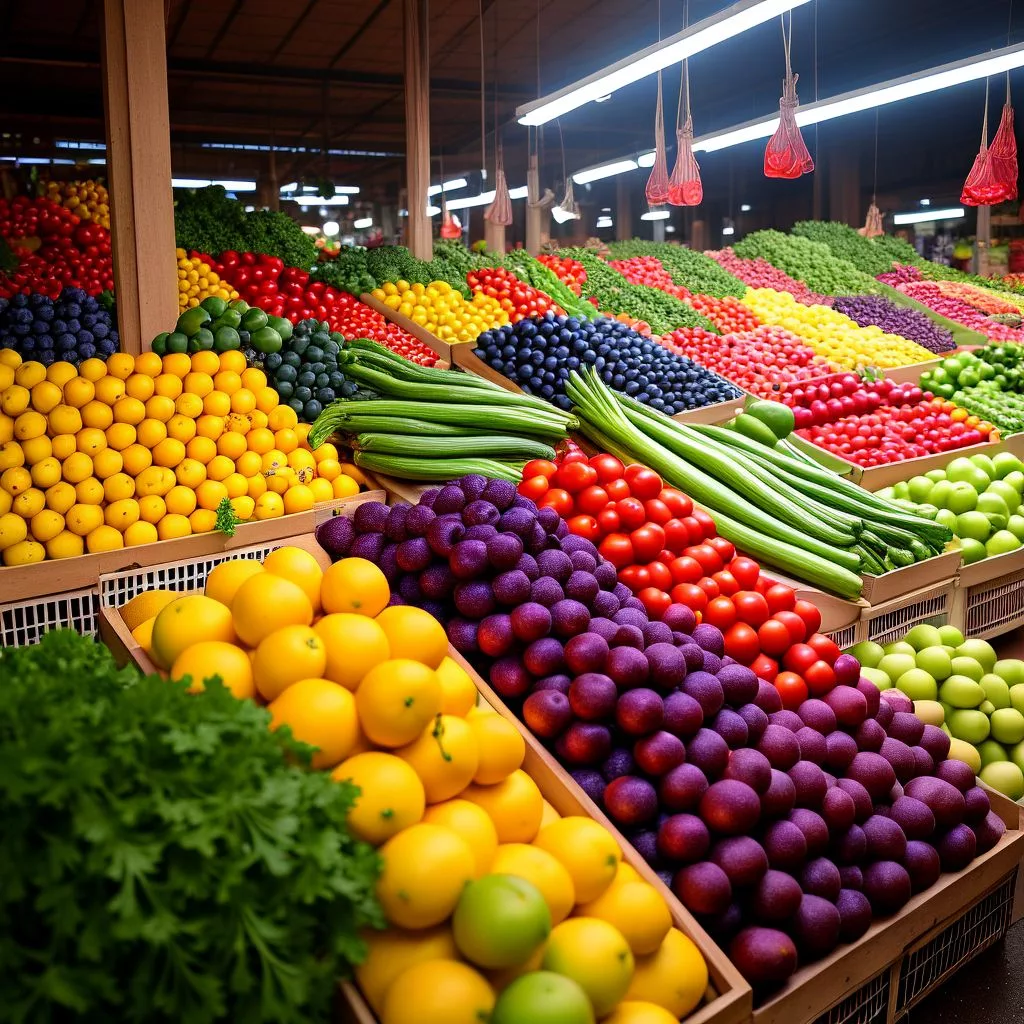
South Africa’s fresh produce markets have always been more than logistical centers. They operate as social and economic crossroads, where the country’s rich diversity finds expression through daily trade. These markets emerged from economic reforms that prioritized openness and competition, enabling even small-scale producers to bring their goods to market. Operating independently of government funding, the system remains self-sustaining and accessible, a rare feat in modern agriculture.
Transparency stands as a cornerstone of this marketplace model. Sellers and buyers interact directly, setting prices through open negotiation—an approach that ensures fairness for all, from commercial enterprises to informal traders. For countless households, particularly in poorer regions, these markets provide affordable food and a platform for entrepreneurial activity. The result is a living, breathing institution, critical not just to the economy but to the social fabric of South African life.
Strains Beneath the Surface: Infrastructure Challenges
Yet, beneath this robust exterior, significant challenges have begun to surface. Decades of neglect have eroded the very infrastructure that supports the agricultural sector. Rural roads, vital for moving produce from farms to markets, often fall into disrepair, driving up transport costs and eating into already thin profit margins. Power outages interrupt cold chains, causing spoilage and undermining the reliability of food supplies. At strategic ports, delays increasingly threaten the timely export of perishable goods, damaging both reputations and future contracts.
Minister Steenhuisen confronted these issues head-on, moving beyond political rhetoric to acknowledge the harsh realities facing producers and traders. He recognized that the private sector’s capacity to absorb inefficiencies has reached its limit, echoing historical moments when even the most resilient industries required coordinated response and state support. Without meaningful intervention, the sector’s resilience—so often taken for granted—may finally buckle under the weight of cumulative neglect.
On the ground, voices from within the industry highlight how these breakdowns affect daily operations. One Limpopo farmer described watching half his tomato crop rot while waiting for access to the Durban market. Another, based in the Western Cape, recounted how improvements in cold storage revolutionized her business, enabling her to pursue export opportunities that previously seemed out of reach.
Charting a Path Forward: Investment and Modernization
Steenhuisen laid out a pragmatic plan for renewal, emphasizing the need for strategic investment and collaborative governance. His administration has entered discussions with the National Logistics Crisis Committee to prioritize agricultural corridors in the country’s broader infrastructure agenda. These routes, linking farms to urban hubs and ports, are essential for moving goods efficiently and maintaining South Africa’s competitive edge in global markets.
The minister also spotlighted the critical need for modernization within the markets themselves. He has actively advocated for capital injections into major centers in Johannesburg and Durban, recognizing their central role in the supply chain. By adopting global best practices—integrating digital tools for traceability and quality assurance—these markets can reduce waste and enhance food safety, aligning with trends in major agricultural economies worldwide.
Importantly, Steenhuisen emphasized that constructive regulatory reform must accompany physical upgrades. He acknowledged that cumbersome permits, zoning restrictions, and licensing requirements often stifle innovation and add unnecessary costs. Streamlining these processes could unlock the entrepreneurial energy of South African farmers and traders, allowing them to compete more effectively on the world stage.
Global Tides: Trade Challenges and Diversification
South Africa’s agricultural fortunes are increasingly tied to the ebb and flow of global trade. Recent US tariffs, notably the 30% duty imposed on citrus, have sent ripples of concern through the industry. Years of diplomatic engagement and market development now hang in the balance. Steenhuisen strongly defended the integrity and competitiveness of South African produce, stressing that the sector does not engage in unfair trading practices or politicize food exports.
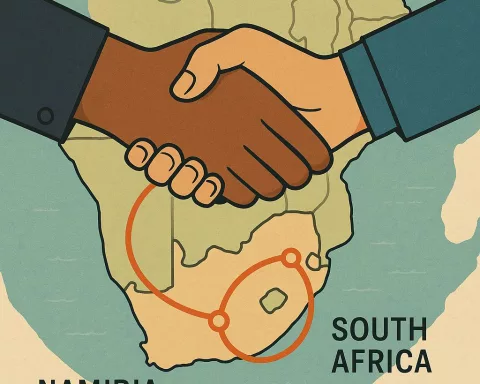
To counteract these headwinds, he has joined forces with partners from other southern hemisphere nations. Together, they are pushing for fairer trade terms, inspired by the collaborative spirit that once propelled the Cairns Group to challenge protectionism at the World Trade Organization. Meanwhile, South Africa pushes for interim solutions—such as duty exemptions during off-seasons and reciprocal agreements on standards—to maintain vital export flows.
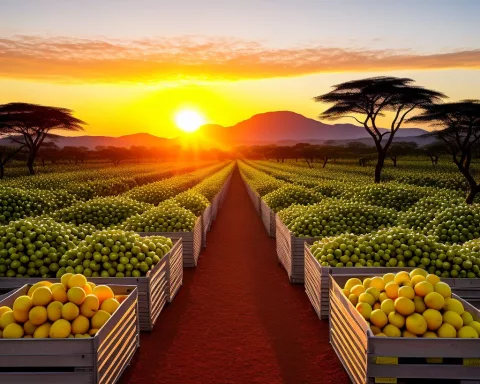
Learning from these challenges, government and industry leaders have accelerated efforts to diversify export destinations. Recent regulatory breakthroughs have opened markets for avocados in China, table grapes in Vietnam and the Philippines, and maize in India. Ongoing negotiations with Indonesia, Thailand, and Bangladesh promise further opportunities. These moves not only hedge against market volatility but also position South African agriculture to meet evolving consumer preferences and international sustainability standards.
People and Partnerships: The Spirit of South African Agriculture
Amid these structural and strategic shifts, the human side of agriculture remains paramount. The sector’s survival and success rest on the determination of early-morning farmworkers, the creativity of new entrepreneurs, and the committed collaboration between public officials and private players. Historical crises—political transitions, weather disasters, trade embargos—have tested South African agriculture before, yet each test has refined its adaptability and strengthened its sense of purpose.
Conversations at the Stakeholder Dinner reflected this enduring spirit. Exporters recalled the nervous anticipation of their first shipments to Europe, while logistics managers expressed pride in seeing informal traders defy the odds to supply township markets. These stories weave a narrative of resilience and ingenuity, underscoring the unique character of South African agriculture.
The future of the country’s food system hinges on shared stewardship. Infrastructure and markets, with roots deep in history, will either flourish through renewal or fade through neglect. Steenhuisen’s address called for united action, urging all stakeholders—public and private, formal and informal—to become co-creators of a stronger, more inclusive agricultural sector. In this collective effort lies the promise of sustained food security and prosperity for all South Africans.
What are the main challenges facing South Africa’s agricultural market?
South Africa’s agricultural market is grappling with deteriorating infrastructure, including broken rural roads and unreliable power supplies that disrupt cold storage and transport. Trade barriers such as tariffs—like the recent 30% duty on citrus exports to the US—also pose significant risks. These issues increase costs, cause product spoilage, and threaten the timely delivery of produce, ultimately endangering food security and farmers’ livelihoods.
What solutions are being proposed to address these challenges?
Minister John Steenhuisen and other leaders advocate for strategic investment in infrastructure, prioritizing agricultural corridors that connect farms to urban centers and ports. Modernizing fresh produce markets through digital tools improves traceability and food safety. Additionally, regulatory reforms aim to simplify permits and licensing to unlock innovation. Export diversification efforts seek new international markets to reduce reliance on traditional trade partners and enhance resilience.
How do South Africa’s fresh produce markets operate, and why are they important?
South Africa’s fresh produce markets function as transparent, self-sustaining hubs where buyers and sellers negotiate directly, ensuring fair pricing. These markets are vital economic and social crossroads that support both commercial enterprises and informal traders, providing affordable food and entrepreneurial opportunities, especially in poorer communities. Their independence from government funding makes them a rare and resilient feature of the national agricultural landscape.
What impact do infrastructure issues have on farmers and exporters?
Poor rural roads increase transportation costs and cause delays, leading to spoilage of perishable goods like tomatoes and citrus. Power outages disrupt cold chains critical for maintaining freshness, jeopardizing both domestic supply and export quality. Port delays further threaten the timely shipment of goods, risking damage to South Africa’s reputation in global markets and losing future contracts.
How is South Africa working to diversify its agricultural export markets?
In response to trade challenges, South Africa is expanding into new markets across Asia, including China (avocados), Vietnam and the Philippines (table grapes), and India (maize). Negotiations continue with Indonesia, Thailand, and Bangladesh to open additional opportunities. Partnering with southern hemisphere nations, South Africa also advocates for fair trade terms at the World Trade Organization, seeking duty exemptions and reciprocal standards agreements to protect and grow export flows.
What role do people and partnerships play in sustaining South African agriculture?
The resilience of South African agriculture depends heavily on the dedication of farmworkers, entrepreneurs, government officials, and private sector players working collaboratively. Past crises have strengthened the sector’s adaptability and commitment to food security. Minister Steenhuisen emphasizes shared stewardship and collective action across formal and informal sectors to renew infrastructure, modernize markets, and build a more inclusive, sustainable agricultural future for South Africa.