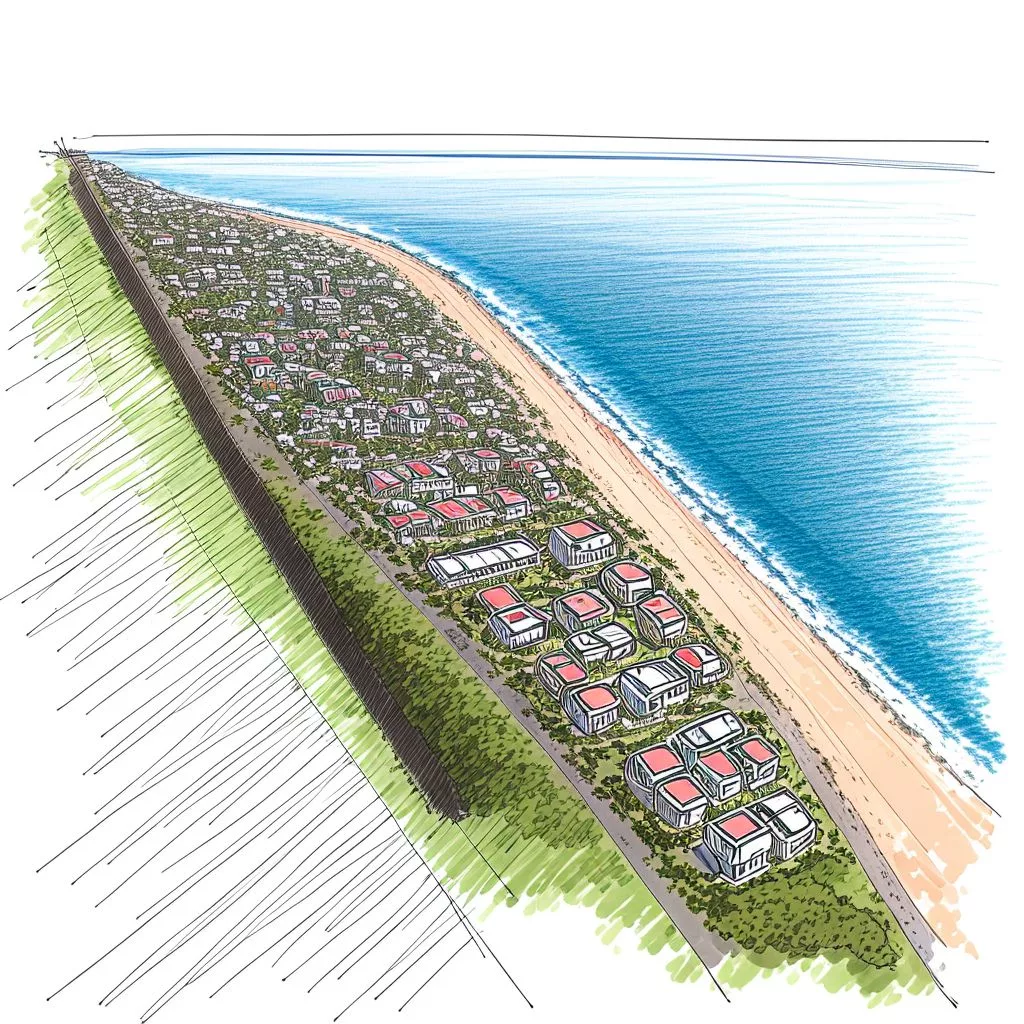
The Green Point mixed-use development in Cape Town plans to turn a key piece of city land into a lively neighborhood with homes, shops, and public spaces. It aims to blend the old charm of the area with new, affordable housing and sustainable design, making room for everyone. The city is inviting local people to share their ideas, hoping to create a place that feels like home for all, while protecting history and the environment. This project is a chance for Cape Town to grow in a fair and fresh way, shaping the future of the Atlantic Seaboard together.
What is the Green Point mixed-use development project in Cape Town?
The Green Point mixed-use development in Cape Town aims to transform Erf 2187 into a vibrant, inclusive urban hub by blending residential, commercial, and public spaces. It prioritizes community participation, affordable housing, heritage preservation, and sustainable infrastructure to foster equitable growth along the Atlantic Seaboard.
A Historic Crossroads in Green Point
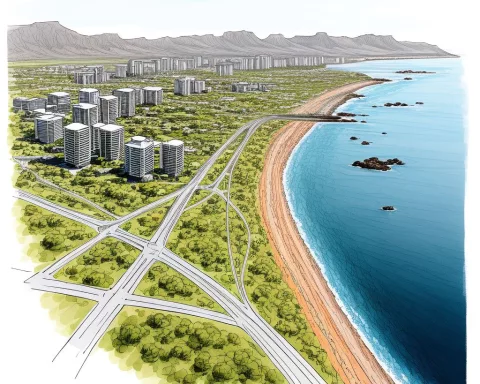
At the edge of Cape Town’s Atlantic Seaboard, municipal land at 1 Three Anchor Bay Road is set for an ambitious transformation. This site, known as Erf 2187, marks more than just a location—it represents a convergence of local history, urban dreams, and community expectations. Its surroundings tell a rich story: Victorian homes, the striking DHL Stadium, and the serenity of Green Point Urban Park all add context and character to the neighborhood. Each element reflects Cape Town’s changing cityscape, blending old with new, much like the great urban renewal stories that have shaped cities from Paris to Barcelona.
The City of Cape Town has approached this opportunity with both care and consideration. In December 2024, city councilors approved the start of a Public Participation Process (PPP) focused on the future of this key parcel of land. By February 2025, the city moved forward into active engagement, reaching out to residents and stakeholders before launching the official public process. This early outreach reflects a desire to foster participation, inviting local voices to help shape their neighborhood’s future rather than dictating decisions from above.
Today, the process continues to advance. Between July 25 and August 25, 2025, Capetonians can voice their ideas, hopes, and concerns about the planned mixed-use development. For many, this project is more than a real estate initiative—it is a test of Cape Town’s commitment to fairness, vibrancy, and genuine urban transformation. As the city invites public input, it stands at a pivotal moment: can it set a new standard for inclusive, high-quality development in one of its most iconic districts?
Shaping a Dynamic Urban Hub
The city’s vision for Erf 2187 extends far beyond economic gain. Led by the Economic Growth Directorate, officials seek to transform this centrally located parcel into a vibrant hub that blends homes, businesses, and public spaces. Their approach reflects a global trend toward “unlocking value” from underused municipal land—an idea gaining momentum in urban planning circles from New York to Melbourne.
Location plays a crucial role in this strategy. The site sits minutes from the lively Sea Point Promenade and the bustling V&A Waterfront, offering easy access to leisure, retail, and transport. The MyCiti bus network already connects the area to much of Cape Town, and future improvements promise even stronger links. By leveraging these assets, the development aims to foster a community where walking, cycling, and public transit are the norm—reducing traffic congestion and supporting healthier urban lifestyles.
Cape Town’s plans draw on internationally recognized best practices. The city’s Municipal Spatial Development Framework identifies Erf 2187 as part of the Urban Inner Core, a priority zone for densification and mixed-use growth. This designation encourages the creation of cohesive, walkable neighborhoods, echoing principles seen in cities like Copenhagen and Vienna. By thoughtfully increasing density and mixing residential, commercial, and recreational uses, Cape Town hopes to support a more inclusive and economically resilient city center.
Prioritizing Inclusivity and Community Well-being
Successful urban renewal depends on more than bricks and mortar; it requires a focus on people and social equity. Cape Town’s planners recognize the risks of exclusion and gentrification, drawing lessons from both local experience and global case studies. Their goal is to ensure that the Green Point development supports diverse residents—offering a mix of market-rate and affordable housing options tailored to a range of income levels.
This approach borrows insights from models like those in Vienna, which has earned praise for blending housing affordability with high-quality design. Likewise, Singapore’s integrated public housing system serves as a reminder that urban growth and social inclusion can go hand in hand. Cape Town faces its own unique challenges, particularly in the legacy of spatial segregation and ongoing inequalities. The city’s approach aims to address these realities by embedding affordability and access within the project from the earliest stages.
Maintaining local community assets is another important commitment. The existing library and civic hall, which serve as gathering spaces for Green Point’s residents, will remain part of the precinct, though their roles may evolve as plans develop. City officials have promised current tenants a seat at the table, reflecting a belief that lasting change must emerge through dialogue and partnership, not top-down mandates.
Driving Growth and Improving Infrastructure
The economic impact of the Green Point development could stretch far beyond the boundaries of Erf 2187. By increasing the area’s property value and tax base, the project will generate new resources for citywide improvements in roads, utilities, and amenities. Development charges, often debated but essential, are expected to help fund upgrades to water, sewage, and transport networks—ensuring the new precinct supports both its future residents and the broader community.
Other cities’ experiences provide both inspiration and caution. North American urban renewal campaigns of the late 20th century, for example, often sparked economic growth but sometimes ignored local needs, leading to community backlash. Cape Town’s more measured, participatory process is designed to avoid these pitfalls, weaving public input into each stage and emphasizing transparency and accountability.
The city has broken the PPP into four phases to maximize community engagement. From February to July 2025, officials conducted informal sessions, registered over 500 interested parties, and developed a contextual framework. Currently, the process is in its formal comment period, open for a full month as required by local laws. Later phases will include design workshops that bring together architects, planners, and residents, culminating in comprehensive applications and continued engagement through 2026.
Navigating Challenges and Fostering Civic Dialogue
No significant development in Cape Town escapes scrutiny, and the Green Point project is no exception. Heritage advocates have raised concerns about how new buildings might impact the historic streetscapes and local character. City officials have commissioned specialist studies to assess these effects, promising to balance innovation with preservation—much like the intense debates over Paris’s Centre Pompidou in the 1970s, where bold ideas won over critics through persistent engagement.
Other residents worry about potential spikes in property values, pressures on local infrastructure, and the risk of traffic congestion. The city has responded by planning comprehensive property market analyses and engineering studies, aiming to ensure that infrastructure improvements keep pace with growth. Questions about public land’s purpose—should it serve only private interests or benefit the wider community—have prompted deeper reflection and ongoing discussion.
Affordable housing stands out as a central concern. Cape Town’s intent to weave affordability into the new precinct will test both policy and political will. The city can learn from its own “Corridors of Freedom” initiative in Johannesburg, which connected housing and public transport, and from global best practices that prioritize social integration. Success here could set a precedent for future projects across the city.
Building an Inclusive Future, Together
To help residents participate fully, the city has prepared a detailed FAQ and provided multiple channels for feedback—online, by email, and at municipal offices. Special accommodations are available for people with disabilities or those requiring assistance. These steps reinforce the city’s desire to build trust and ensure every voice can be heard.
The Green Point mixed-use development represents more than an urban project; it is a live experiment in how cities can evolve through inclusive, sustainable, and community-driven regeneration. The coming months will reveal whether Cape Town can balance heritage with innovation and growth with equity. As residents, officials, and stakeholders continue the conversation, they contribute to a living narrative that will shape not just Green Point, but the future of Cape Town itself.
With each meeting, workshop, and comment, the community writes the next chapter in the story of this unique city—demonstrating that transformative urban planning depends on open dialogue, shared vision, and a willingness to learn from both local experience and global example.
What is the Green Point mixed-use development project in Cape Town?
The Green Point mixed-use development is an initiative by the City of Cape Town to transform Erf 2187—a key municipal land parcel at 1 Three Anchor Bay Road—into a vibrant neighborhood combining residential, commercial, and public spaces. This project aims to blend the area’s historic charm with modern, affordable housing and sustainable urban design, fostering an inclusive community along the Atlantic Seaboard. It emphasizes public participation, heritage preservation, and environmentally conscious infrastructure to create a lively, accessible urban hub.
How is the community involved in shaping the Green Point development?
Community involvement is central to the project’s approach. Since December 2024, the City has undertaken a Public Participation Process (PPP) to gather input from residents, stakeholders, and local organizations. From July 25 to August 25, 2025, public comments are officially invited, and ongoing workshops will bring together planners, architects, and community members. Efforts include multiple feedback channels (online, email, and in-person), accessible accommodations, and keeping current tenants engaged to ensure the development reflects local needs and aspirations rather than top-down decisions.
What measures are being taken to ensure affordable and inclusive housing?
The City of Cape Town is committed to preventing exclusion and gentrification by integrating a mix of market-rate and affordable housing within the development. Drawing inspiration from global models like Vienna’s affordable housing and Singapore’s integrated public housing systems, the project aims to provide diverse housing options suitable for various income levels. This approach seeks to address Cape Town’s historical spatial inequalities, promoting social equity and access from the earliest planning stages.
How will the Green Point development impact local infrastructure and the economy?
By increasing property values and expanding the local tax base, the development is expected to generate additional resources for upgrading citywide infrastructure, including roads, water, sewage, and public transport. Development charges collected will contribute to these improvements, ensuring growth is supported by adequate amenities. The project’s location offers excellent connectivity via the MyCiTi bus network and proximity to the Sea Point Promenade and V&A Waterfront, encouraging sustainable transport and reducing congestion. Economic benefits aim to extend beyond the site, boosting the broader Atlantic Seaboard.
How is heritage and local character being preserved amid new development?
The project site is surrounded by historic Victorian homes and significant landmarks like the DHL Stadium and Green Point Urban Park. To protect this heritage, the City has commissioned specialist studies assessing the impact of new buildings on the historic streetscape and neighborhood character. Preservation efforts will balance innovation with legacy, ensuring that new construction harmonizes with existing architecture and community identity. The retention and possible evolution of community assets—such as the local library and civic hall—also underscore this commitment.
What challenges does the Green Point project face, and how is the City addressing them?
Key challenges include managing concerns about rising property values, infrastructure strain, traffic congestion, and maintaining affordability. The City is proactively conducting property market analyses and engineering studies to anticipate and mitigate these issues. Public concerns about the use of municipal land—whether it should prioritize private interests or community benefit—are part of ongoing dialogues. By embedding transparency, phased engagement, and learning from local and international urban renewal experiences, Cape Town strives to create a balanced, sustainable, and inclusive development that can serve as a model for future projects.