South Africa is a vibrant land where nature, culture, and history come alive in colorful harmony. From the magical mornings in Cape Town under Table Mountain to thrilling wildlife safaris in Kruger National Park, every corner tells a story. Cities like Johannesburg buzz with art and new energy, while the Garden Route offers peaceful drives through forests and beaches. This country is always changing, welcoming travelers to explore its beauty, brave past, and hopeful future. South Africa isn’t just a place to visit—it’s an unforgettable journey of heart and spirit.
Why is South Africa a top travel destination in 2025?
South Africa ranks among the best travel destinations due to its stunning landscapes, rich cultural heritage, and dynamic cities. Highlights include Cape Town’s natural beauty, Johannesburg’s urban renewal, wildlife adventures in Kruger National Park, scenic Garden Route drives, and vibrant arts and history—all blending adventure, culture, and transformation.
Cape Town’s Magnetic Beauty and the Nation’s Enduring Allure
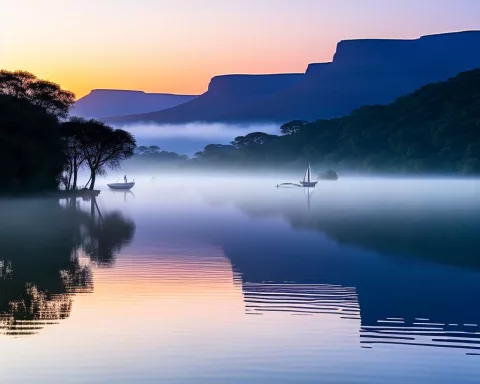
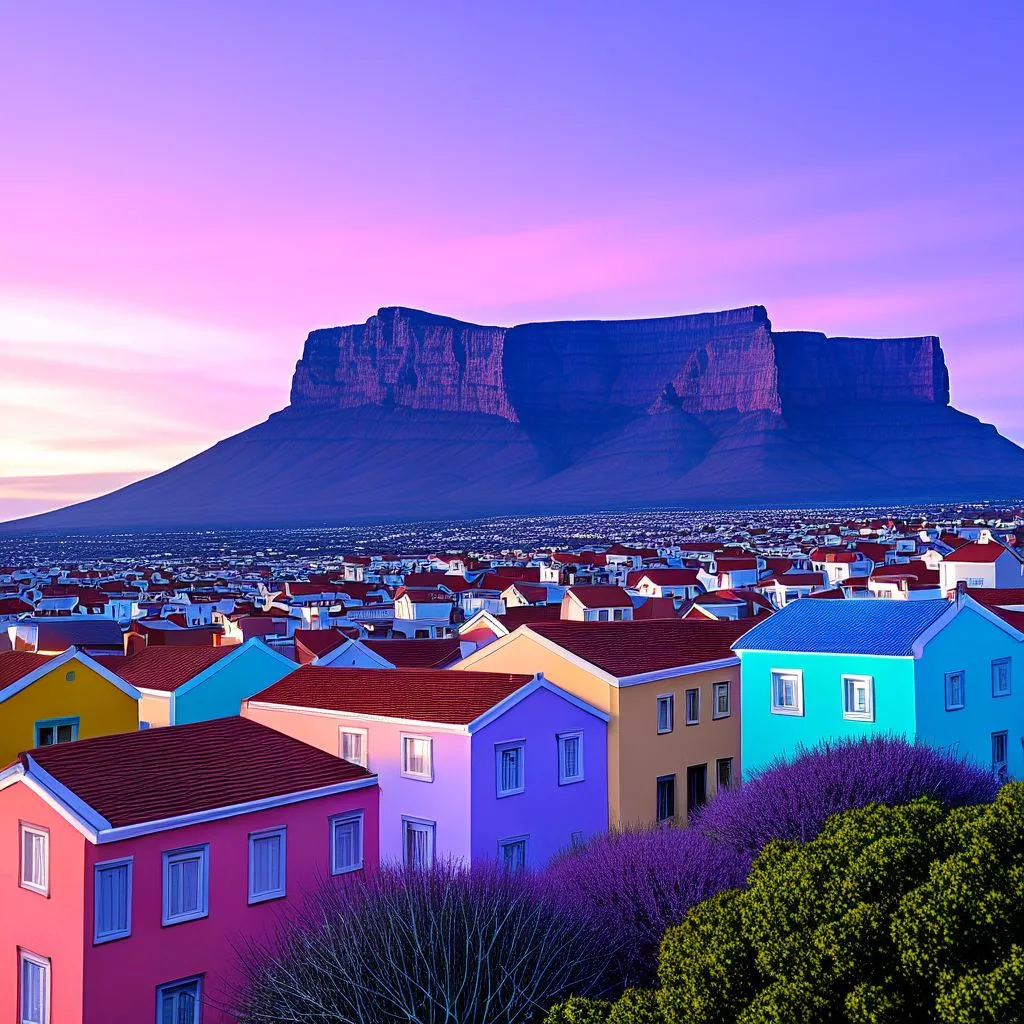
Early mornings in Cape Town possess a rare kind of magic. As the first rays of sunlight cascade down from the heights of Table Mountain, the city awakens in a haze of violet and gold. Cape Town itself thrives on this blend of myth and reality, stirring the imagination of travelers from all corners of the world. Its reputation recently soared even higher after The Telegraph Travel Awards named South Africa the fourth-best country to visit in 2025. This prestigious acknowledgment emerged from the voices of more than 20,000 Telegraph readers, who reaffirmed the country’s position as a destination where dramatic landscapes, rich history, and vibrant cultures merge seamlessly.
South Africa’s consistent presence among the world’s most celebrated travel destinations is no coincidence. For over ten years, the nation has maintained its spot in the upper echelon, ranking alongside iconic countries such as Greece, Japan, Peru, and Botswana. This accomplishment reflects more than just captivating scenery—it highlights the country’s ongoing transformation, the dynamism of its cities, and the tenacity of its people.
Cape Town, often called the Mother City, embodies South Africa’s unique blend of natural beauty and complex history. The city unfolds along the Atlantic shoreline, with Table Mountain serving as both sentinel and symbol. From atop this iconic peak, visitors take in a panorama that sweeps across the pastel-hued houses of Bo-Kaap, the glamorous stretch of Camps Bay, and the wild fynbos carpeting the lower slopes. Walking through Cape Town’s neighborhoods, travelers encounter layers of stories—indigenous roots, legacies of colonialism, and the hopefulness of post-apartheid life—etched into every street and gathering place.
Urban Renewal, Creative Pulse, and Natural Wonders
South Africa’s appeal extends far beyond its scenic wonders. Urban centers pulse with innovation and artistic ambition, reshaping perceptions at every turn. Johannesburg, once synonymous with the grit of industry and mining, now stands at the forefront of urban regeneration. Neighborhoods like Maboneng Precinct, once neglected, now brim with creativity and entrepreneurial spirit. As I wandered through these bustling streets, I saw brick facades adorned with vibrant murals, jazz pouring from intimate clubs, and cafés alive with conversation and activism. Johannesburg’s energy draws travelers who crave firsthand encounters with transformation, expressed through art, cuisine, and commerce.
Travelers also find enchantment along the famed Garden Route, which traces the southern coastline through a tapestry of forests, lagoons, and untamed beaches. The drive through towns like Knysna delivers the scent of salt and pine, while protected elephant sanctuaries rest beneath ancient tree canopies. Each stop along this route offers a fresh invitation to adventure or introspection: surfers gather in Jeffrey’s Bay, hikers explore the dense green of Tsitsikamma National Park, and eco-lodges blend seamlessly into the landscape. The Garden Route links the past and present, aligning historic towns with modern efforts in sustainable tourism.
No journey through South Africa feels complete without exploring the Cape Winelands. This verdant region, blanketed in neat rows of grapevines, sprawls beneath the stoic gaze of craggy mountains. Stellenbosch and Franschhoek, with their echoes of European heritage, host some of the oldest vineyards in the country. Here, centuries-old estates combine classical architecture with cutting-edge art installations. Guests move from one cellar to the next, sampling robust reds and delicate whites—each glass revealing stories of migration, innovation, and collaboration that have shaped the region’s legacy.
Wildlife Adventures and the Role of Tourism
Adventure pulses at the heart of South Africa’s tourism identity, and few places evoke this spirit better than Kruger National Park. Renowned worldwide, Kruger offers a sanctuary for an astonishing variety of wildlife. Early mornings in the bush, punctuated by the distant calls of lions or the rumble of elephants, evoke a sense of awe even in seasoned travelers. I still recall a dawn safari where the sky blushed pink as a leopard lounged, alert yet relaxed, in the crook of a marula tree. Such moments leave visitors humbled and connected to something primordial, defining the true essence of a South African wilderness experience.
South Africa’s ability to consistently attract global travelers speaks to more than picturesque sightings. In 2024 alone, nearly nine million international visitors arrived, a remarkable figure for a nation with a complex and often painful history. This steady influx demonstrates the country’s dedication to hospitality and growth. Tourism now accounts for 3.3% of the national GDP and sustains over 1.8 million jobs, making it a powerful force for both economic development and cross-cultural understanding.
Johannesburg continues to lead the charge in this transformation. The city, once seen as a mere stopover on the way to safari destinations, has forged a new identity as a center for art, business, and design. The Apartheid Museum draws visitors into the country’s challenging past while offering a vision of hope. Local markets and galleries display a range of creativity, from traditional beadwork to contemporary masterpieces, showcasing the voices and talents of a new generation. Johannesburg’s urban revival demonstrates how cities can honor history while building towards a brighter, more inclusive future.
Embracing Change, Heritage, and Creativity
International acclaim, such as that conferred by the Telegraph Travel Awards, places South Africa among the elite destinations of the world, alongside regional leaders like Greece, Peru, and Japan. These rankings not only recognize the country’s natural and cultural wealth, but also its capacity to innovate and adapt in a rapidly changing travel landscape. The tourism industry must constantly evolve, shaped by global events, shifting traveler preferences, and a collective focus on sustainability. In response, South Africa continues to invest in infrastructure, promote community-driven tourism, and protect its extraordinary environments. Eco-lodges in the Eastern Cape, for example, blur the line between luxury and conservation, welcoming guests to participate in the preservation of fragile ecosystems. Local guides share authentic stories, ensuring that tourism benefits the very communities rooted in these landscapes.
South Africa’s layered identity emerges vividly in its artistic and cultural expressions. The architectural legacy of Cape Dutch, British, and French settlers still shapes the look of towns and countryside, while local cuisine reflects centuries of migration and blending. Yet, the country’s real cultural power lies in its synthesis of old and new. Nowhere is this more immediate than in South African music, a vibrant fusion of township jazz, traditional Zulu rhythms, and contemporary pop, creating a sound both familiar and entirely unique. Whether in the energetic streets of Durban or the quiet galleries of Pretoria, visitors encounter echoes of past struggles and celebrations, reimagined for the present.
Artistic movements in South Africa draw deeply from its turbulent history, giving rise to works that reflect both hardship and joy. The resistance art of the 1980s, the poetry of Ingrid Jonker, and the photography of David Goldblatt all contributed to shaping the nation’s sense of self, offering travelers a window into the complex, authentic soul of South Africa. Today, the country’s creative output continues to intertwine with its cities, landscapes, and people, enriching every visit with meaning and inspiration.
A Nation in Motion: Welcoming the World
With every passing year, South Africa’s reputation as a beacon for global travelers grows stronger. Its breathtaking scenery—mountains, grasslands, forests, and coastlines—provides the stage for both natural drama and human achievement. Cities and towns continue to evolve, reflecting the triumphs and challenges of a society always in motion. Through these layers of change, visitors discover more than just a destination; they witness a nation constantly reimagining itself and inviting the world to share in its extraordinary journey.
South Africa’s ongoing success as a premier travel destination ultimately rests on a foundation of openness, resilience, and a willingness to embrace transformation. Whether you seek adventure in the wild, connection in a city reborn, or insight into a culture always in flux, South Africa stands ready to welcome you—offering not only unforgettable experiences, but also the chance to be part of a living, ever-changing story.
Frequently Asked Questions about Traveling to South Africa
1. Why is South Africa considered a top travel destination in 2025?
South Africa ranks among the best travel destinations due to its breathtaking natural landscapes, rich cultural heritage, and vibrant cities. From the iconic Table Mountain in Cape Town to thrilling safaris in Kruger National Park, the country offers a diverse range of experiences for all kinds of travelers. Its dynamic urban centers like Johannesburg showcase remarkable urban renewal and creative energy, while the scenic Garden Route provides tranquil drives through forests, beaches, and wildlife sanctuaries. South Africa’s blend of adventure, history, and cultural transformation makes it a compelling choice for 2025 and beyond.
2. What makes Cape Town a must-visit city in South Africa?
Cape Town, often called the “Mother City,” captivates visitors with its stunning natural beauty and layered history. Table Mountain stands as a majestic backdrop, offering panoramic views of the city, the colorful Bo-Kaap neighborhood, and the Atlantic coastline. Cape Town’s streets reflect a rich tapestry of indigenous cultures, colonial history, and post-apartheid hope. The city was recently recognized by The Telegraph Travel Awards as the fourth-best country destination to visit in 2025, highlighting its global appeal and unique charm.
3. What kinds of cultural experiences can travelers expect in South Africa’s cities?
South African cities like Johannesburg and Durban are hubs of creativity and culture. Johannesburg has undergone significant urban renewal, particularly in areas like the Maboneng Precinct, where art, music, and entrepreneurship thrive. Visitors can explore galleries, vibrant street murals, jazz clubs, and bustling markets showcasing both traditional crafts and contemporary art. Museums, such as the Apartheid Museum in Johannesburg, offer profound insights into the nation’s complex history, while local cuisine and music blend diverse cultural influences, from Zulu rhythms to township jazz.
4. What outdoor adventures and natural attractions does South Africa offer?
Outdoor enthusiasts will find an abundance of activities across South Africa. Kruger National Park is world-famous for its wildlife safaris, where visitors can see the Big Five animals in their natural habitat. The Garden Route, stretching along the southern coastline, offers idyllic drives through forests, lagoons, and beaches, with opportunities for hiking in Tsitsikamma National Park, surfing in Jeffrey’s Bay, and visiting elephant sanctuaries. The Cape Winelands region invites travelers to explore vineyards and enjoy wine tastings amid beautiful mountain scenery.
5. How does tourism impact South Africa’s economy and communities?
Tourism is a vital component of South Africa’s economy, accounting for about 3.3% of the national GDP and supporting over 1.8 million jobs. The industry fosters economic growth and promotes cross-cultural understanding. Efforts in sustainable and community-driven tourism are growing, with eco-lodges and local guides helping protect fragile ecosystems and ensuring that tourism benefits the communities living in these regions. This responsible approach helps preserve South Africa’s natural and cultural heritage for future generations.
6. How does South Africa balance heritage and modernity in its travel experiences?
South Africa uniquely blends its rich historical legacy with contemporary innovation. Architecturally, towns display influences from Cape Dutch, British, and French settlers, while the cultural scene fuses traditional practices with modern art, music, and storytelling. Artistic movements rooted in the country’s turbulent past continue to inspire present-day creativity, with art, poetry, and photography reflecting themes of struggle, resilience, and hope. Cities like Pretoria and Durban offer both quiet cultural spaces and lively urban scenes, making South Africa a destination where heritage and modernity coexist beautifully.
If you want to learn more about specific regions or travel tips, feel free to ask!